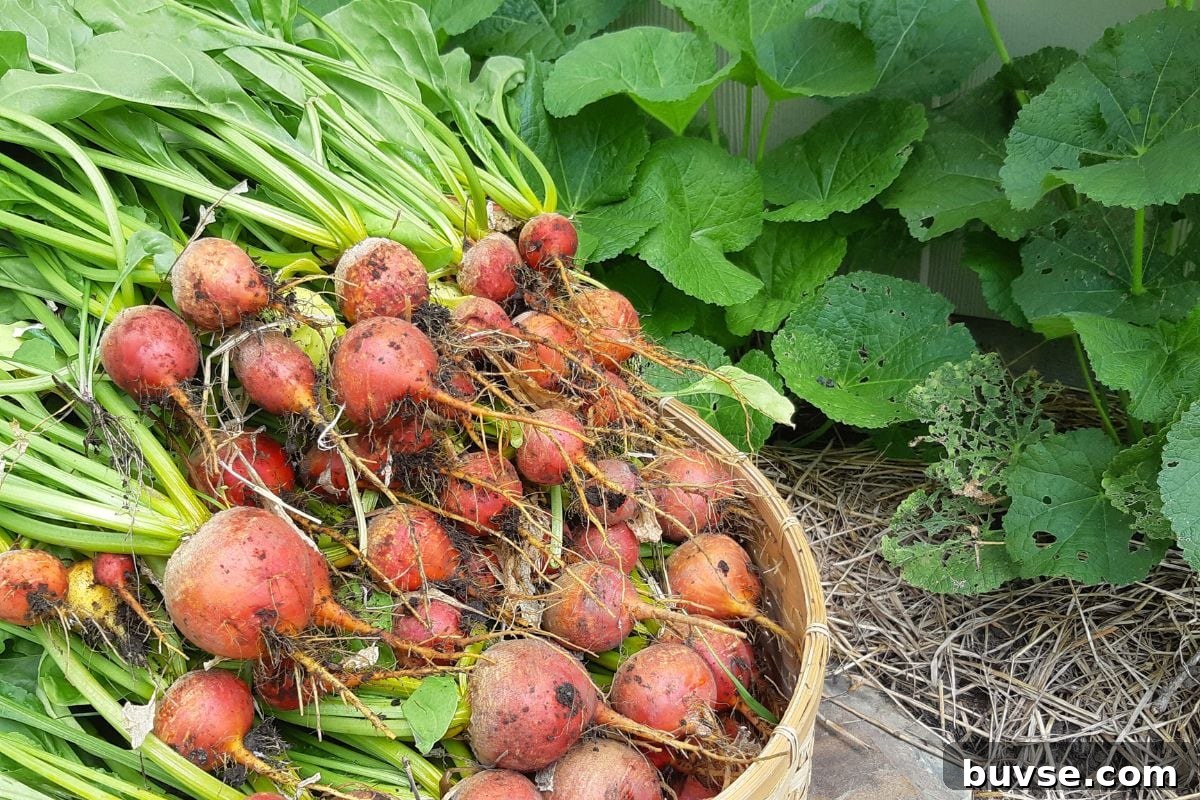
Grow beets more easily by planting beet seeds directly in mulch. A layer of organic mulch suppresses weeds, keeps soil cooler and more evenly moist, and helps prevent beet tops from cracking or drying out. If you want to spend less time weeding and more time harvesting, planting beets in mulch is an efficient method that delivers reliable results.
I’ve used mulch in my vegetable beds for over a decade to reduce chores and improve soil health. Vegetables that prefer cool soil consistently benefit from mulch, especially in hot climates or in fast-draining beds. Beets are a perfect example: they respond well to the cooler, moister conditions mulch provides.
I grow and enjoy both the roots and the tender beet greens. During summer we use the raw leaves in salads, steam them, or blanch and freeze them for winter. The roots are versatile: cooked for dinner, fermented into kvass, or stored through winter in a cool root cellar. For long-term storage and dual-purpose use, I prefer varieties that produce large, tender roots and substantial greens.
Why Grow Beets Every Year
Beets are a staple in many vegetable gardens for several good reasons:
- Beet seeds are larger than many other root vegetable seeds, making them easier to handle and sow.
- Seedlings require minimal thinning compared with tiny-seeded crops.
- Planting beets in mulch drastically reduces weeding, conserves moisture, and keeps soil temperatures steady.
- Beet greens are edible and nutritious; you can eat them fresh, cook them, or preserve them for winter.
- Roots develop quickly—many varieties reach harvestable size in 50–60 days.
- Storage varieties allow a single spring planting to supply fresh beets or stored roots through the winter.
Beet Varieties for the Home Gardener
Gardeners have many beet options. Consider type, color, shape and whether you want a storage variety or a quick summer beet.
Beet Types
Common types include:
- White beets
- Golden or yellow beets
- Candystripe (striped) beets
- Traditional red beets
Beet Shapes
Beets generally come in two main root shapes:
- Round, bulbous roots
- Long, cylindrical roots
Popular Varieties
Several well-known varieties are reliable for home gardens:
- Albino (white)
- Bulls Blood (deep red leaves)
- Burpee’s Golden
- Chioggia (Candystripe)
- Cylindra (long, cylindrical roots)
- Detroit Dark Red
- Lutz Green Leaf (excellent greens and storage)
Choosing the Best Beets to Grow
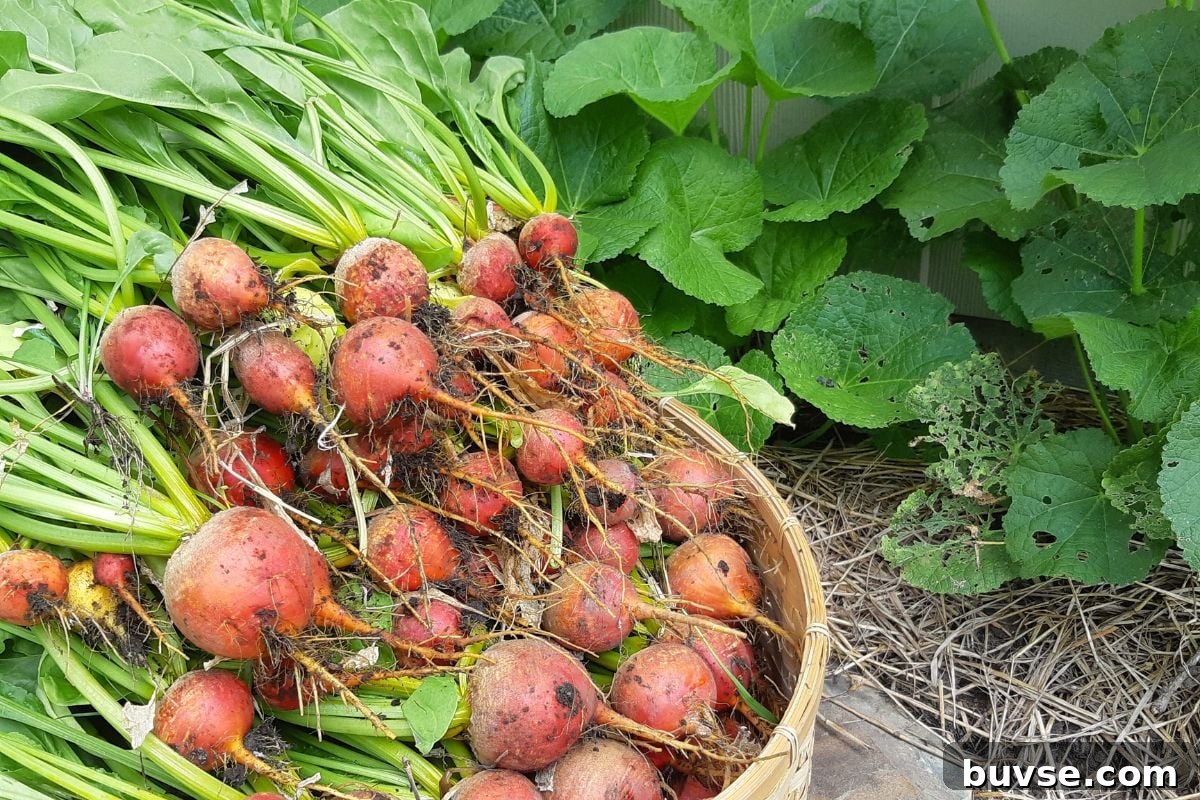
Decide how you plan to use your beets before buying seed: fresh summer eating, canning and fermenting, or long-term winter storage. Most varieties produce golf-ball-size roots in 50–60 days, which is an ideal early harvest size. After that point, varieties diverge: summer beets need harvesting at the right time to avoid becoming woody, while storage varieties remain tender even as they grow larger and keep well in cool storage.
Best Beets for Summer Harvest
Golden, white and cylindrical types are excellent for a single summer harvest or for succession plantings. For continuous production, sow new rows every 2–3 weeks until roughly 50 days before your expected fall frost.
Best Beets for Year-Long Harvest
Storage or winter-keeper varieties are ideal if you want to plant once in spring and harvest over many months. These beets resist becoming tough at larger sizes and store well in a cold room or root cellar, often lasting longer than many other root crops.
Best Beets for Tender Greens
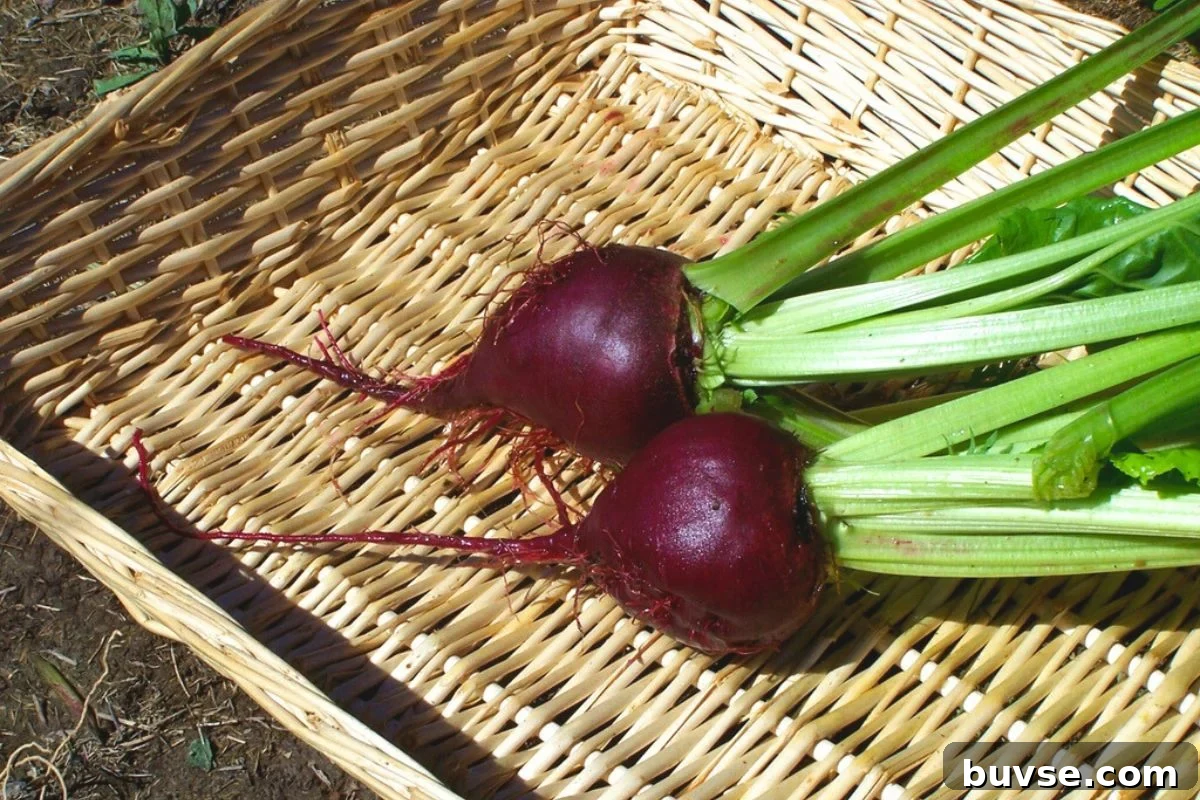
If leafy greens are a priority, choose a dual-purpose variety noted for both roots and leaves. Lutz Green Leaf is a strong example: the leaves are similar to Swiss chard, the roots stay tender when left in the ground, and the crop stores well.
Best Time to Plant Beets
Beets are a cool-season crop. In northern climates sow seeds around the last average spring frost. If summers are cool and you can keep soil moist, you can continue planting through the summer until about 50–60 days before your first fall frost.
Where to Plant Beets in the Vegetable Garden
Beets prefer full sun but will tolerate partial shade if they get at least six hours of sunlight daily.
Preparing Garden Soil for Beets
Beets need loose, well-draining soil and do poorly in heavy clay. Loosen the bed with a fork to allow roots to grow down without resistance. If soil is compacted, beet roots may sit near the surface and develop dry, tough or cracked tops. For tender roots, ensure they are well covered with loose soil.
How to Mulch Beds Before Planting Beets
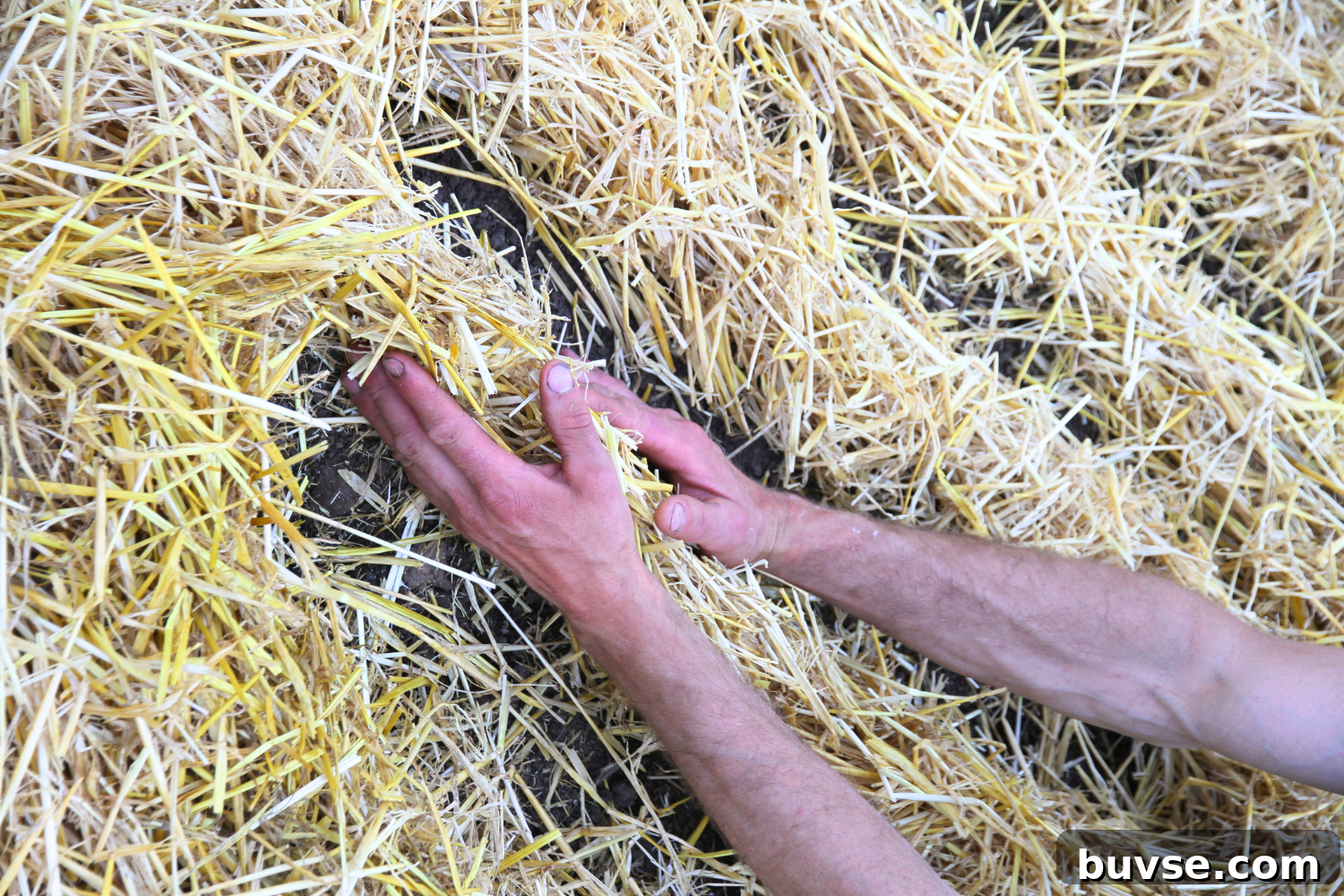
Straw mulch works particularly well. You can lay about 2 inches of loose straw across the bed, part the mulch into planting rows, and sow seed directly in the cleared rows. Mulch helps keep soil cool, conserves moisture, and suppresses weeds—ideal conditions for beets.
How to Plant Beet Seed
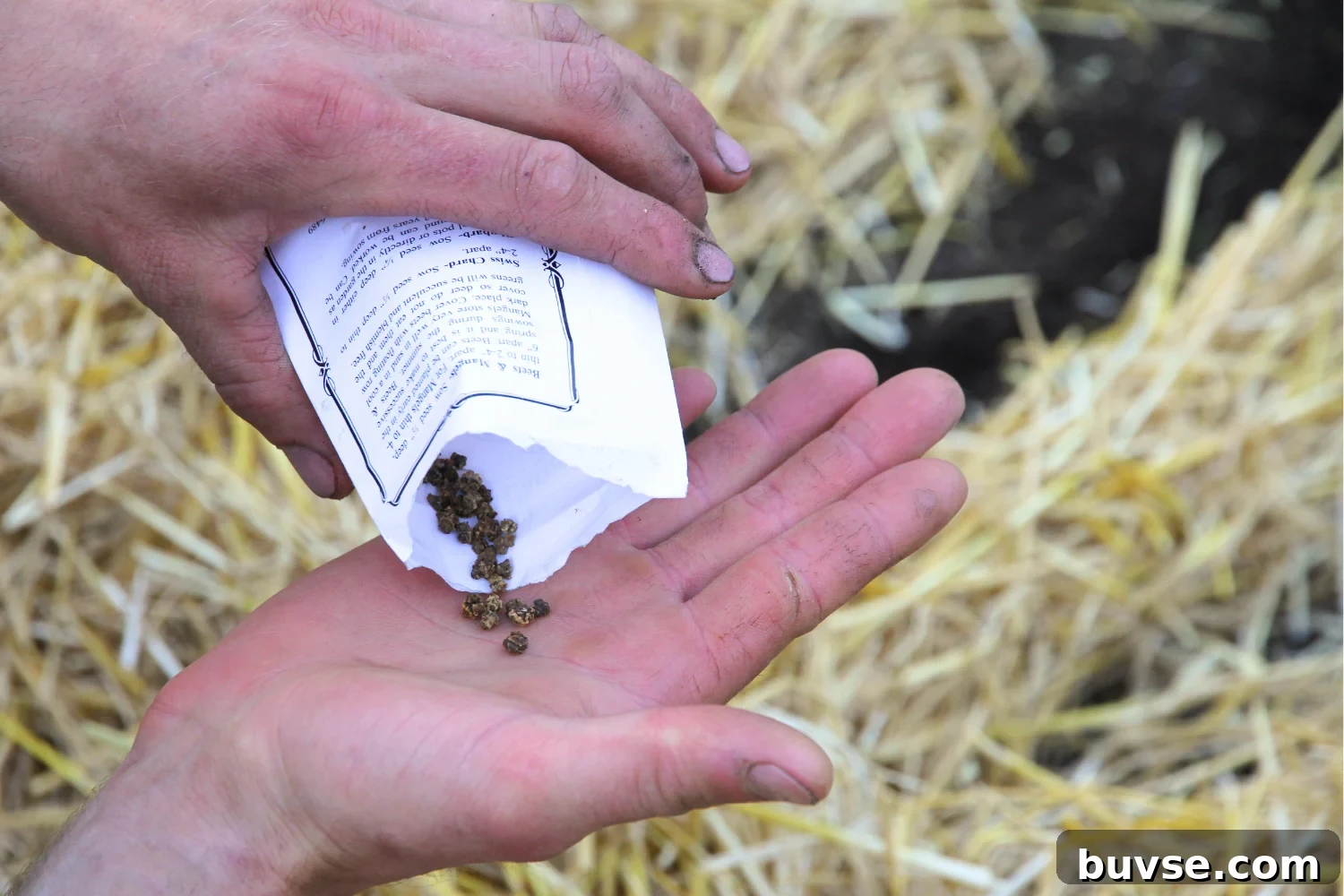
Beet seeds are actually clusters containing multiple seeds, which explains why seedlings often emerge too closely together. Planting is straightforward:
Step 1
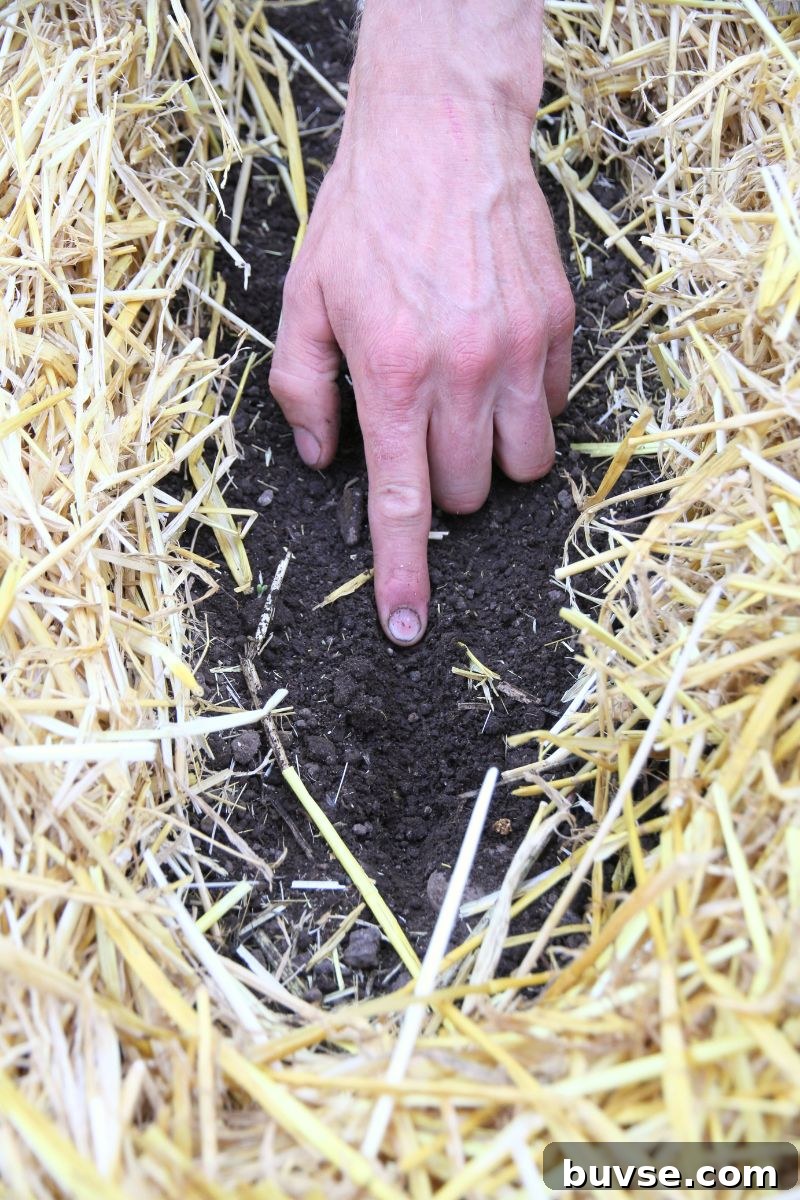
If mulching, cover the bed with about 2 inches of straw and make a shallow furrow roughly 1/2 inch deep for each row. Row spacing depends on your intended harvest size: about 4 inches apart for summer beets harvested small, or about 8 inches apart for larger storage beets.
Step 2
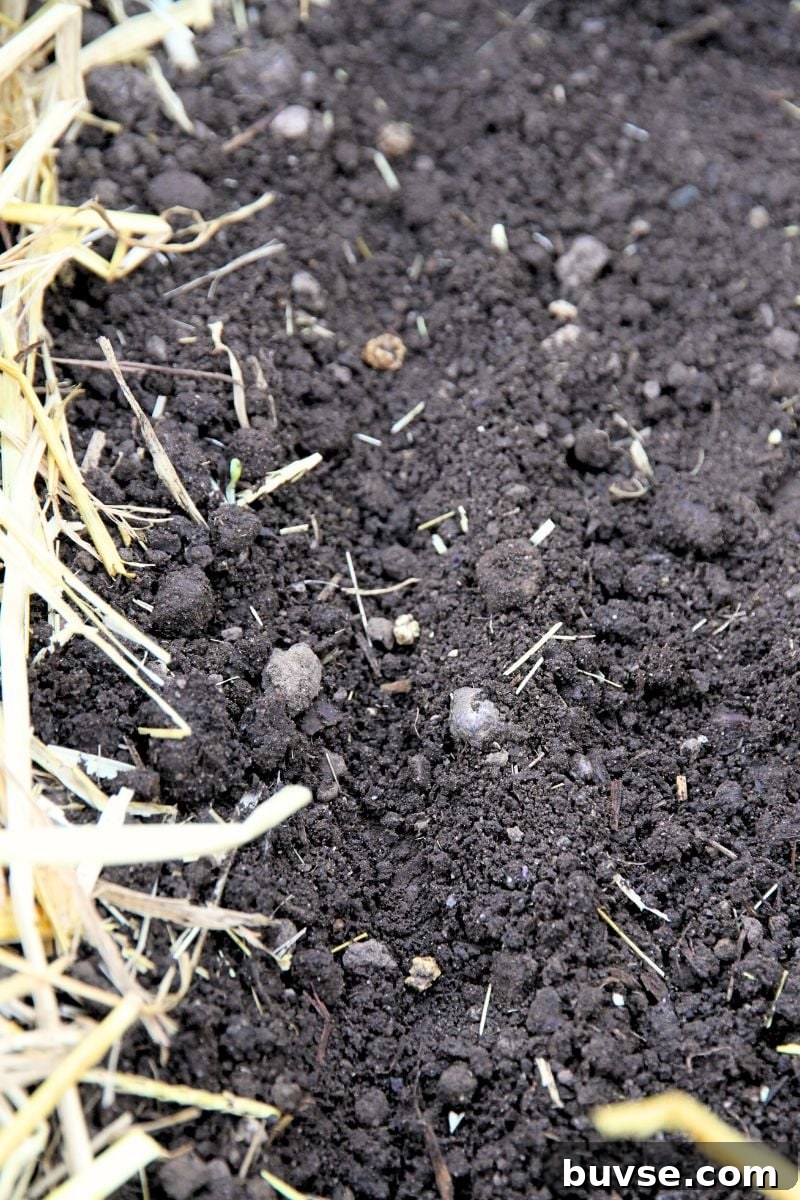
Plant one seed cluster every 3–4 inches along the row. Because each “seed” may contain multiple embryos, expect some clumping and plan to thin.
Step 3
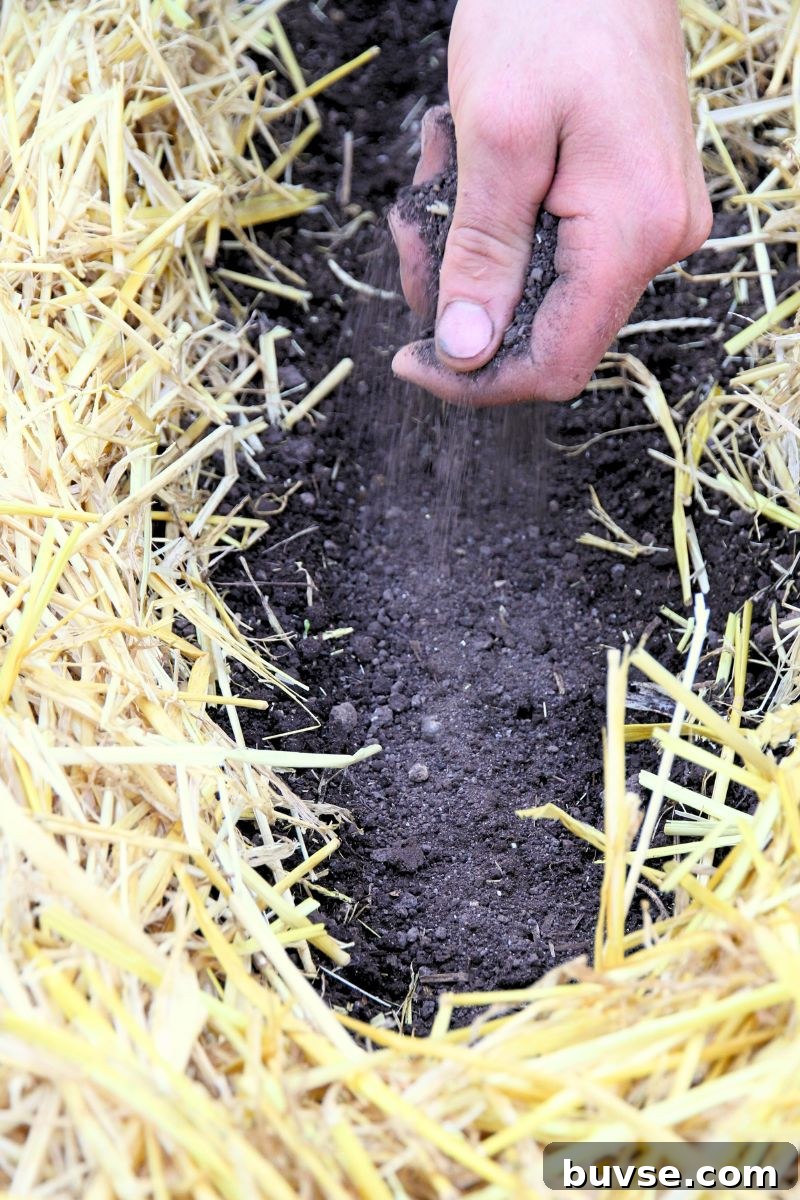
Cover seeds with 1/4 to 1/2 inch of soil, press lightly to ensure contact, and water gently.
Step 4
Keep the soil consistently moist until seedlings emerge and the young leaves are several inches tall. Regular watering during establishment ensures good root development.
How to Grow Beets
Thinning is essential if you want well-formed roots. If seedlings are left crowded, they produce lush tops but small, undersized roots. Thin once or several times as roots grow: space summer beets about 4 inches apart and storage varieties 6–8 inches apart depending on final size desired.
When to Harvest Beets
Harvest small beets as soon as they reach golf-ball size for the best texture and flavor. Summer varieties should be pulled before they grow too large. Storage beets can be harvested at a range of sizes and will remain tender when stored properly.
How to Cook and Preserve Beets
- Roasted, steamed or boiled beets make a tasty side dish.
- Beets ferment well—try them in kvass or mixed vegetable sauerkrauts.
- Storage varieties last through winter in a cool, humid root cellar or cold room and often outlast many other vegetables.
Planting beets in mulch is a simple, time-saving technique that boosts yield and reduces maintenance. With the right variety and a little care in sowing and thinning, you can enjoy fresh beets and nutritious greens from spring into winter.