
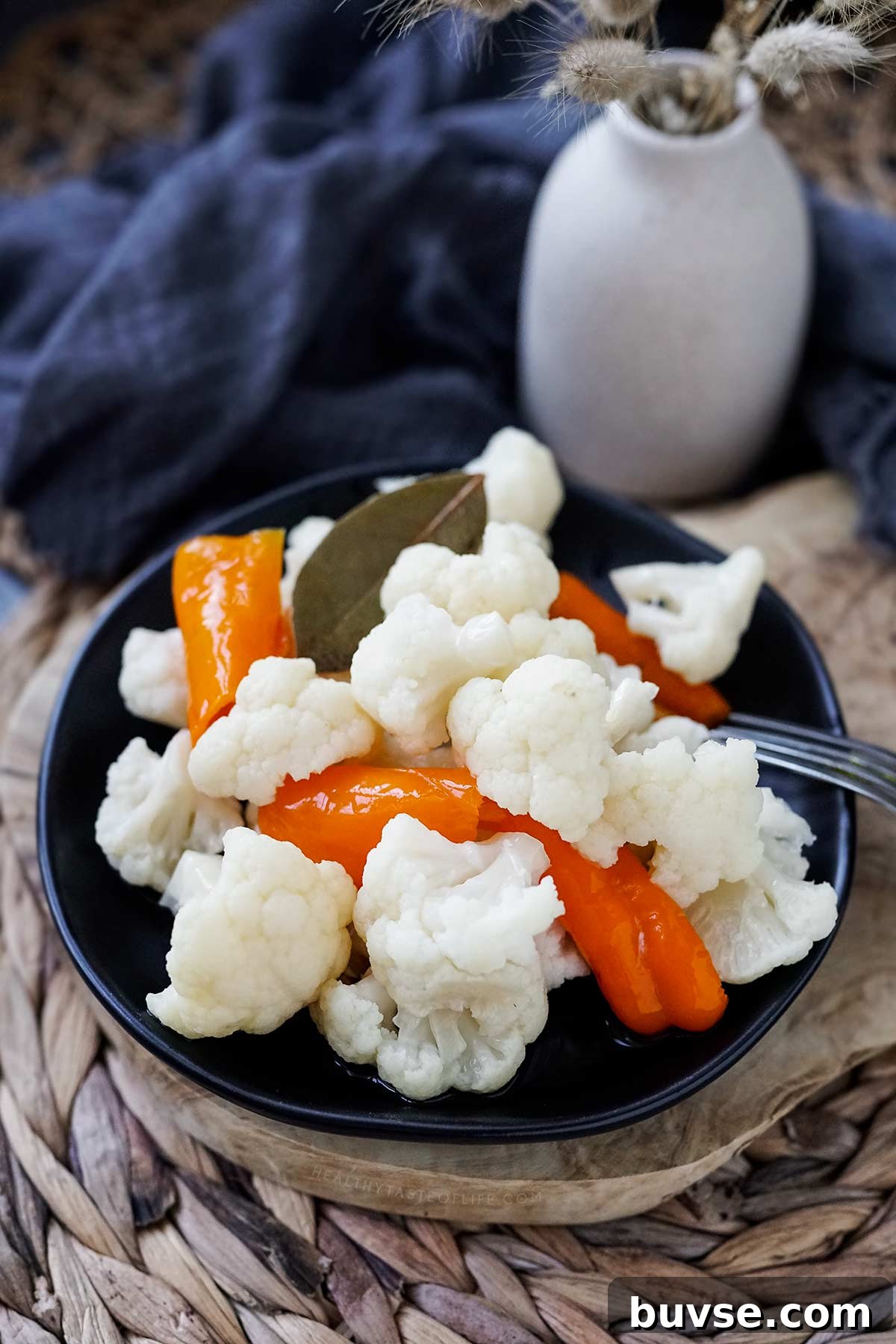
Transform fresh cauliflower into a tangy, crunchy, and probiotic-rich side with this easy lacto-fermented cauliflower recipe. Whether you are new to fermentation or a seasoned fermenter, this straightforward method delivers reliable results and a delicious flavor profile. Fermented cauliflower makes a healthy addition to salads, sandwiches, charcuterie boards, or as a zesty snack straight from the jar.
Health Benefits of Fermented Cauliflower
Adding fermented cauliflower to your diet offers several health advantages thanks to the lacto-fermentation process. Here are the main benefits:
- Probiotic Support: Fermentation encourages growth of beneficial lactic acid bacteria that help support gut microbiota.
- Improved Nutrient Absorption: Fermented vegetables can make certain vitamins and minerals more bioavailable.
- Immune Support: A balanced gut microbiome contributes to healthier immune system signaling and resilience.
- Digestive Aid: The fiber in cauliflower combined with fermentation products can ease digestion and promote regularity.
Fermented Cauliflower Recipe
This lacto-fermented cauliflower recipe focuses on quality ingredients and a balanced brine to create a crisp, tangy ferment. The method is forgiving and easy to scale for small or large batches.
Ingredients
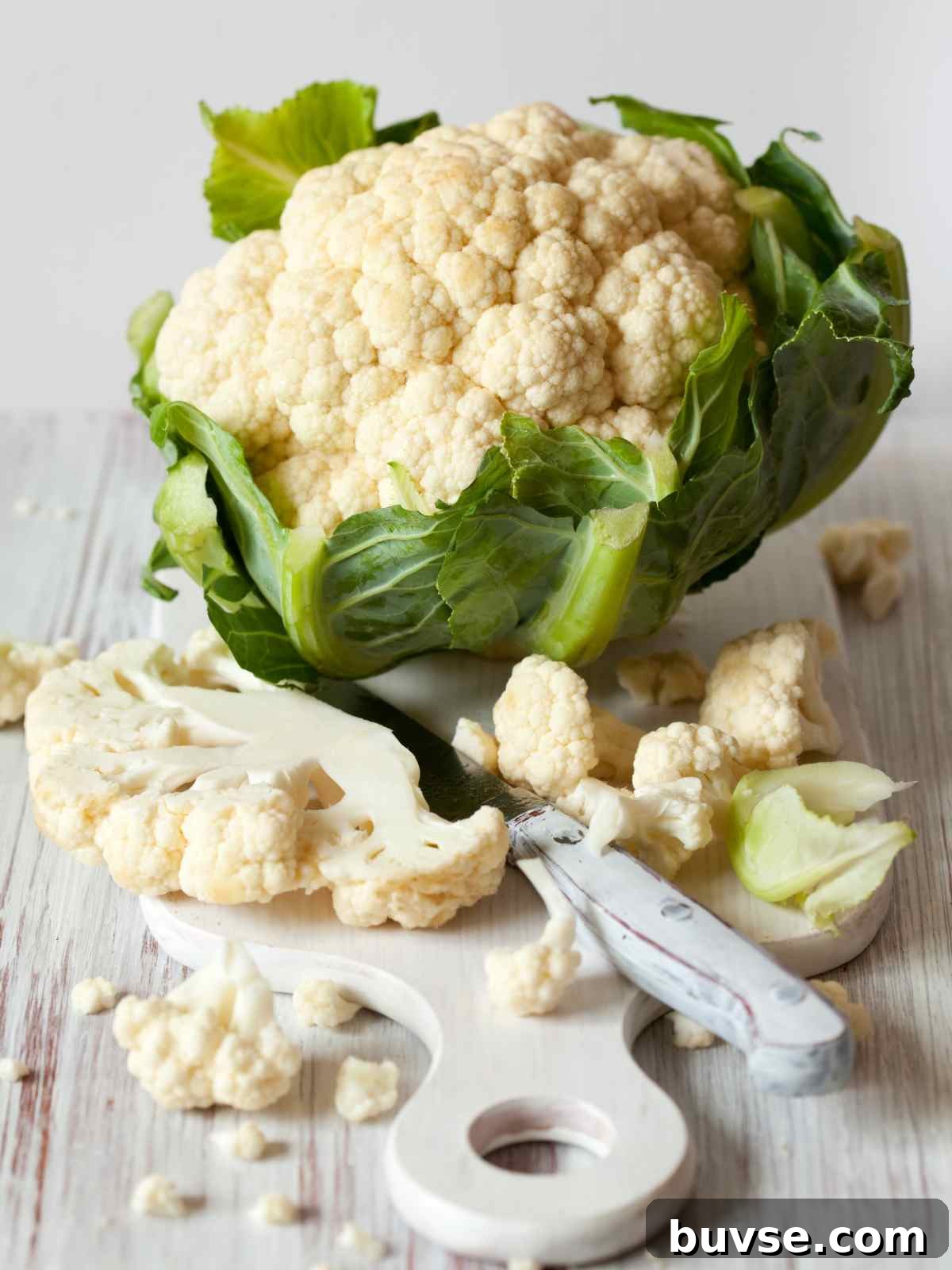
- Cauliflower florets: Any variety—white, purple, orange, Romanesco, or broccoflower—will work and add different colors and flavors.
- Sweet or hot peppers: Bell peppers or a few hot peppers to taste, for color and spice.
- Aromatics: Garlic cloves, bay leaves, and fresh parsley for fragrance and depth.
- Whole spices: Black peppercorns, mustard seeds, coriander seeds, and dill seeds to infuse the brine.
- Salt and water (3–4% brine): Use non-iodized sea salt or kosher salt and chlorine-free water. A 3–4% salt solution helps inhibit unwanted microbes while encouraging lactic acid bacteria.
- Optional starter: A small splash of sauerkraut juice or brine from a previous successful ferment can speed up fermentation.
How to Make Fermented Cauliflower: Step-by-Step
Follow these steps to make a successful batch of lacto-fermented cauliflower.
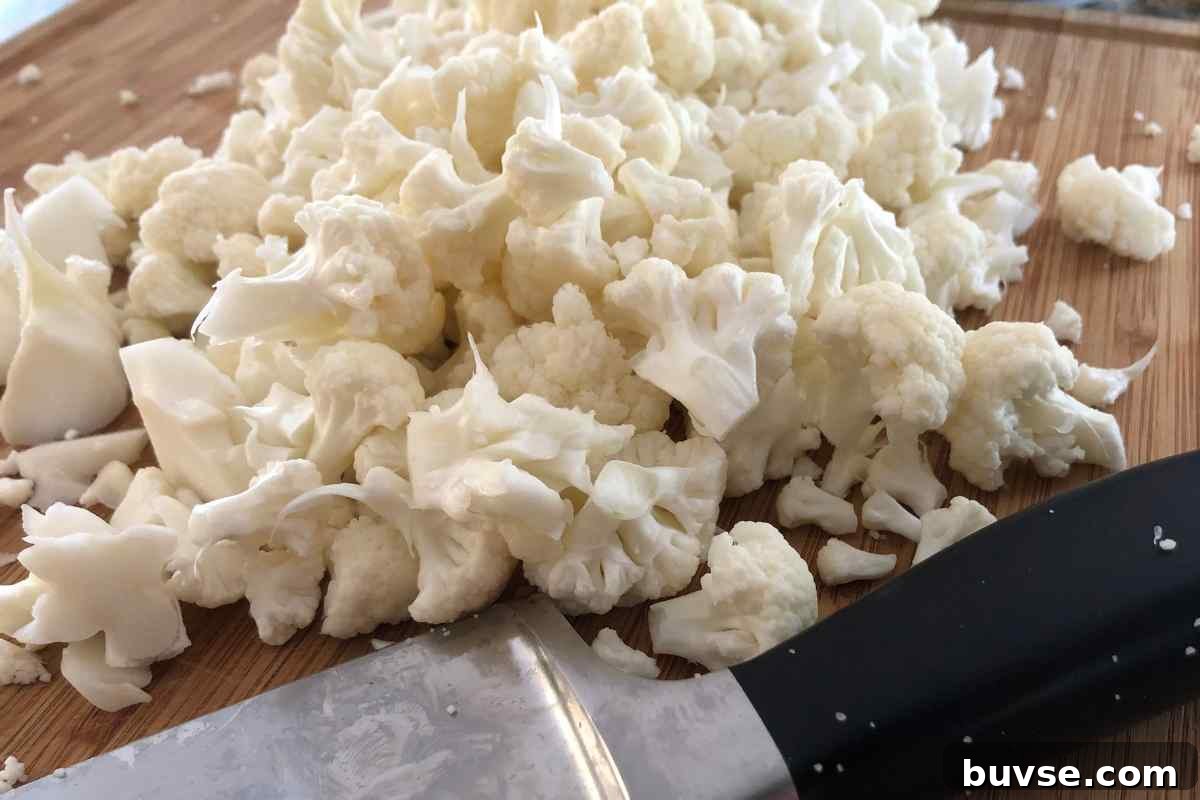
- Prep the vegetables: Break or cut cauliflower into bite-sized florets. Chop peppers and peel garlic. For a one-gallon jar, plan on about 2–3 pounds (0.9–1.4 kg) of cauliflower florets, depending on how tightly you pack the jar.
- Make the spice mix: Combine whole black peppercorns, mustard seeds, coriander seeds, and dill seeds. A good starting measure is 2 teaspoons of each, but adjust to taste.
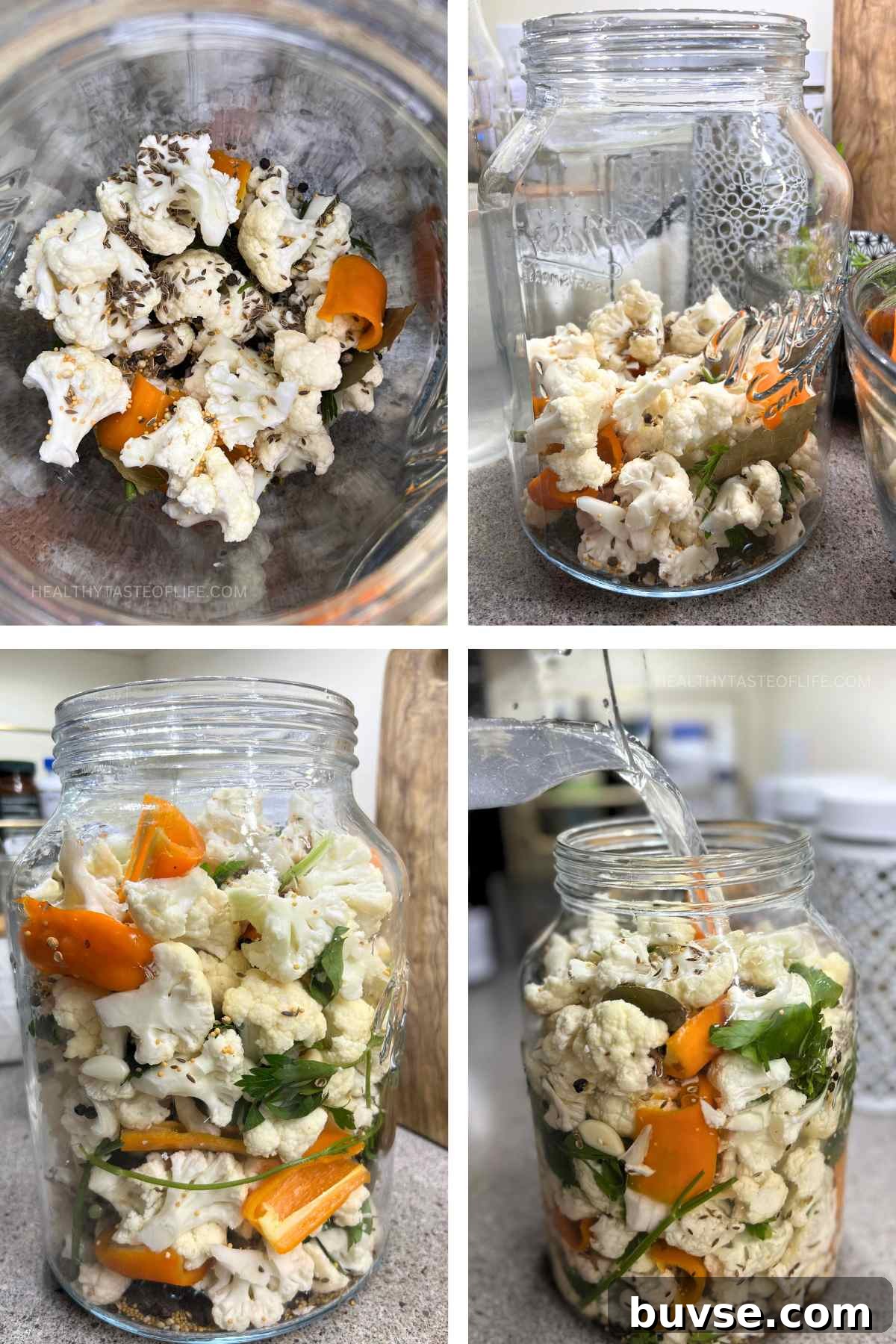
- Layer in the jar: Pack cauliflower, peppers, garlic, parsley sprigs, bay leaves, and the spice mix into a clean fermentation jar.
- Prepare the brine: Dissolve salt in filtered water to make a 3–4% brine. For a tangier ferment, a 4% brine works well. Use enough brine to fully cover the vegetables—roughly 2,000 ml for a full one-gallon jar.
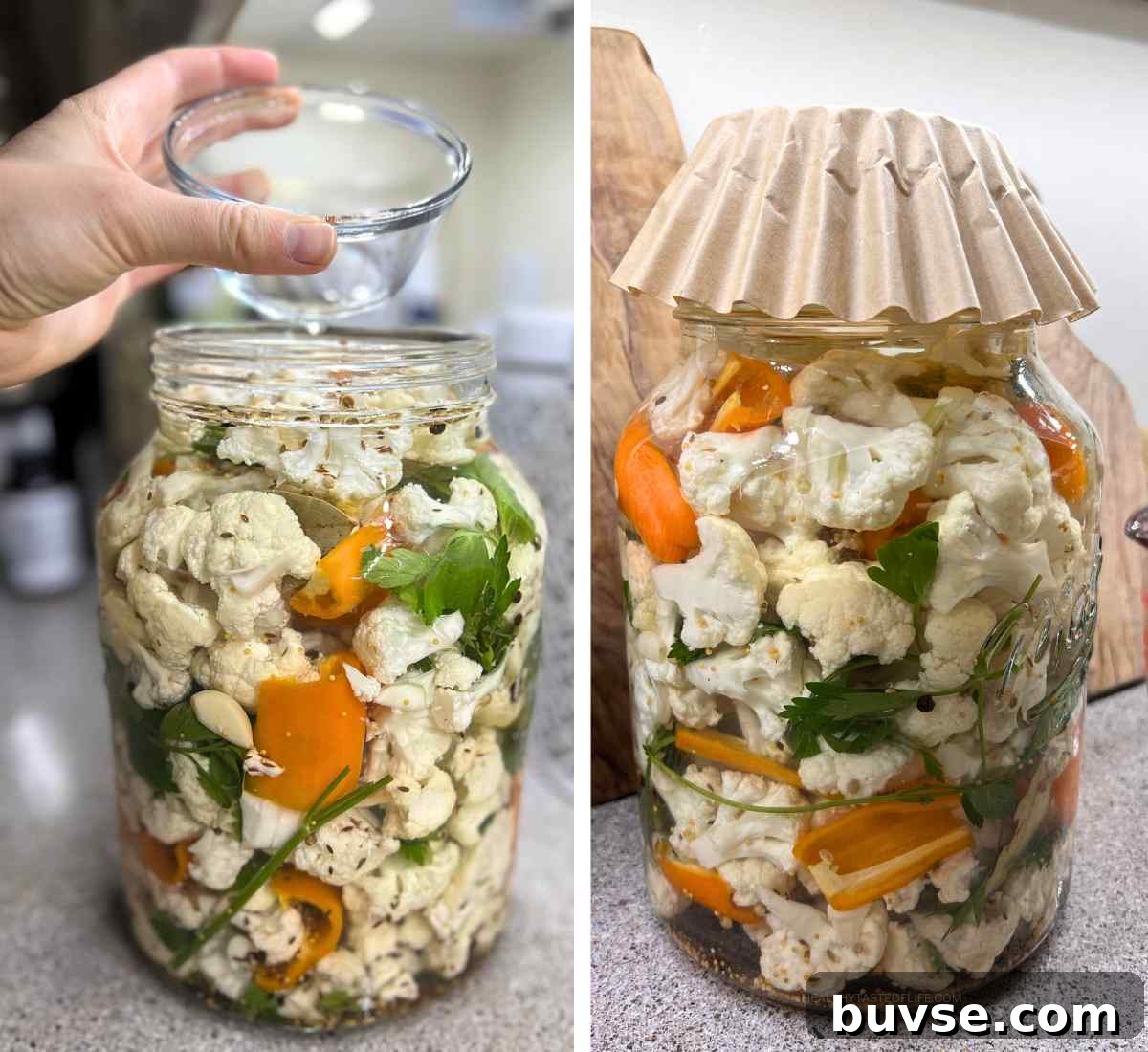
- Submerge and weigh down: Pour the brine over the packed vegetables and make sure everything is fully submerged. Place a clean food-safe weight or a small jar inside the larger jar to keep the cauliflower below the brine surface.
- Ferment: Cover the jar loosely to allow gases to escape, then leave it at room temperature. Taste after about 5–7 days; warmer temperatures speed fermentation and shorter fermentation times will yield milder flavor. Continue fermenting until the acidity and flavor match your preference.
- Refrigerate: When the ferment reaches the desired tang, close the jar tightly and store it in the refrigerator to slow fermentation. Properly stored, fermented cauliflower will stay flavorful for weeks to months.
Tips, Storage and Flavor Ideas
- Sanitation: Work with clean jars and utensils to reduce the chance of contamination.
- Keep submerged: Vegetables exposed to air can develop mold. Ensure they remain beneath the brine surface for the duration of fermentation.
- Starter: Adding a tablespoon or two of liquid from a previous successful ferment can help jump-start the process.
- Storage: Refrigerate fermented cauliflower when it reaches the flavor you like. It will keep well for several months in the fridge.
- Serving suggestions: Add to salads, sandwiches, bowls, or enjoy as a zesty side dish.
- Variations: Try spicy versions with chili flakes or jalapeños, curried ferments with turmeric or curry powder, citrusy versions with lemon or lime zest, garlic-and-herb blends with dill or basil, or mixed-vegetable ferments with carrots, onions, and peppers.

FAQs About Fermented Cauliflower
How do I know if fermentation worked?
A successful ferment smells pleasantly tangy and sour, tastes acidic rather than rotten, and shows no signs of fuzzy or discolored mold on the surface. Natural bubbling and mild cloudiness in the brine are normal.
Can I ferment other vegetables with cauliflower?
Yes—cauliflower pairs well with carrots, onions, bell peppers, radishes, green beans, broccoli, cabbage, and beets for colorful mixed ferments.
What does fermented cauliflower taste like?
Fermented cauliflower develops a tangy, slightly sour flavor similar to pickles, with the spices and aromatics contributing additional savory or spicy notes. The texture softens slightly but usually retains a satisfying crunch.
More Fermenting Recipes
- Fermented tomatoes
- Dill cucumbers (lacto-fermented dill pickles)
- Beet and cabbage sauerkraut
- Fermented red cabbage
- Lacto-fermented watermelon

© HealthyTasteOfLife. Content and photographs are copyright protected. Sharing the link to this recipe is encouraged and appreciated.