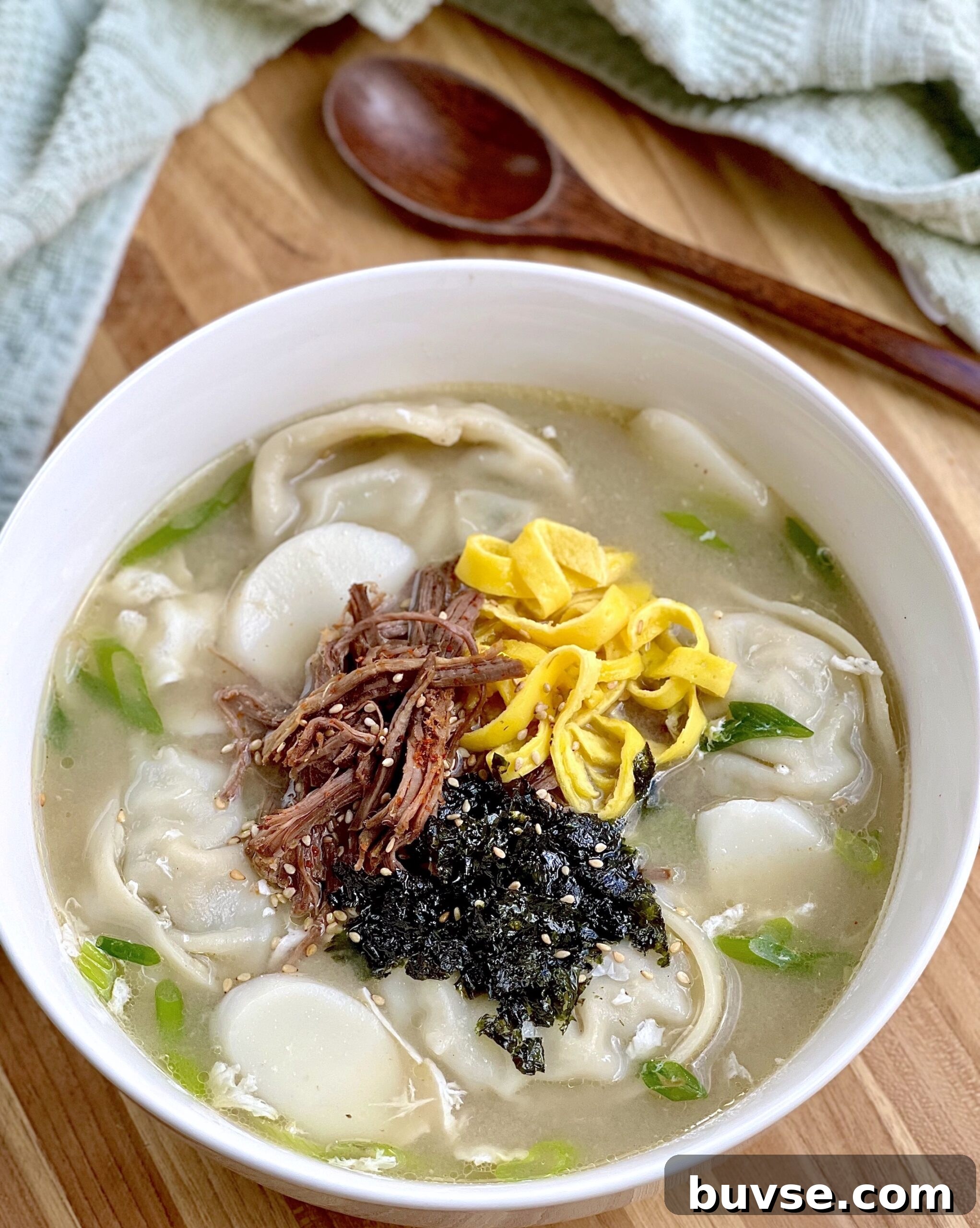
Tteok mandu guk, rice cake soup with dumplings, is a warm and comforting Korean classic. While it’s traditionally eaten on New Year’s Day for good luck, it can be enjoyed any time of year. Growing up Korean American, I always had this on January 1st, but in Korea many families serve it during the Lunar New Year. The broth and the thinly sliced rice cakes are the true highlights of the dish, and the dumplings are optional—delicious, but not required.
To me, a really good tteokguk needs to have these 3 things:
- A well‑seasoned beef broth — I prefer beef broth over anchovy-based broth because it gives a richer, deeper flavor. Use a light soup soy sauce, fish sauce, and a touch of beef bouillon or equivalent for extra depth if desired.
- A cloudy, pale broth — A cloudy, off‑white broth is characteristic of this style. Dark regular soy sauce will deepen the color; if appearance matters, use a lighter soup soy sauce and adjust seasoning accordingly.
- Slight thickness in the soup — Tteokguk often has a slightly thickened texture thanks to the starch from the rice cakes. That subtle body is part of what makes it comforting and satisfying.
Good quality mandu and rice cakes matter, but I always judge tteokguk by the broth first. Below you’ll find ingredient notes, helpful tips, and a clear set of instructions so you can make a flavorful tteok mandu guk at home.
Ingredients
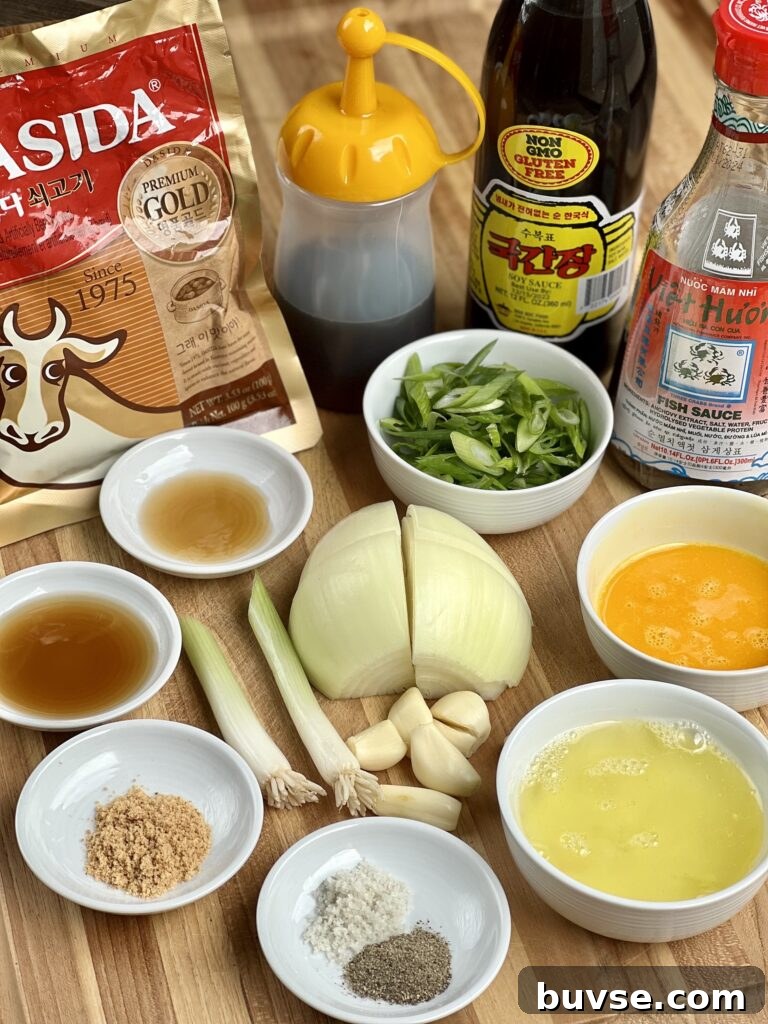
- Brisket — A flavorful cut that yields a rich broth. After cooking, shred and lightly season the beef as a topping.
- Beef bouillon (optional) — A small amount of beef bouillon powder can enhance the broth; use sparingly if you prefer to keep the soup natural.
- Aromatics — Onion, garlic, and the white parts of green onions add savory fragrance to the stock.
- Seasonings — Fish sauce, soup soy sauce (jin ganjang), sesame oil, sea salt, and black pepper. Regular soy sauce may be used in a pinch but will darken the soup.
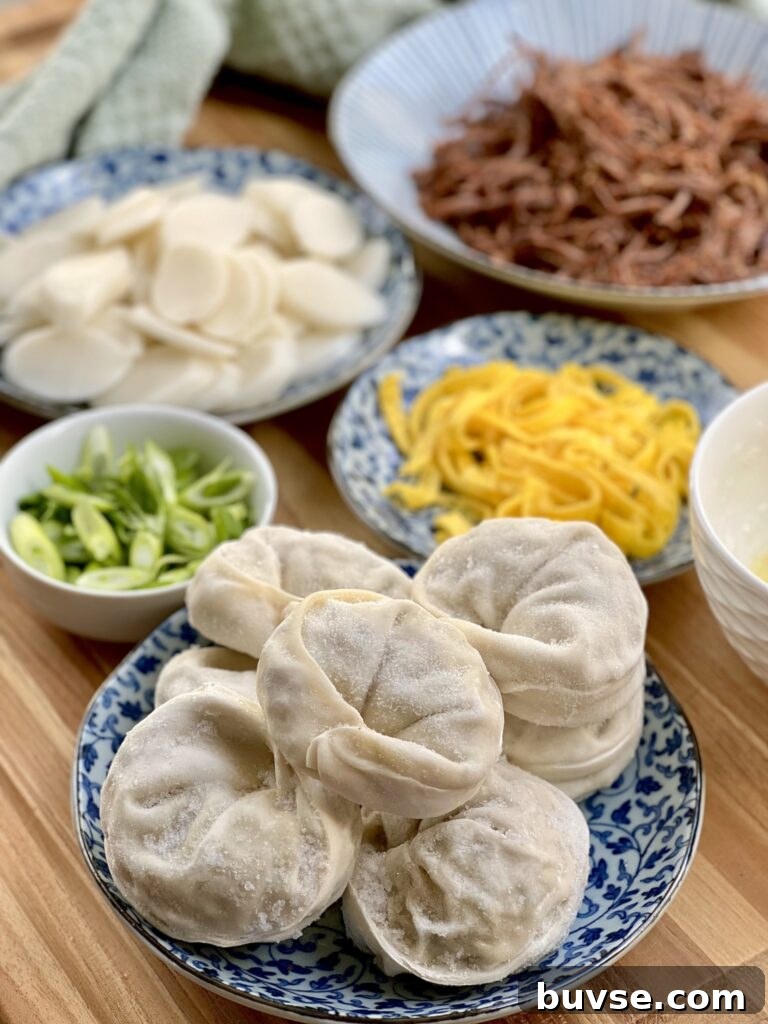
- Mandu — Frozen or fresh dumplings. Kimchi mandu are traditional for some families, but any favorite dumpling works.
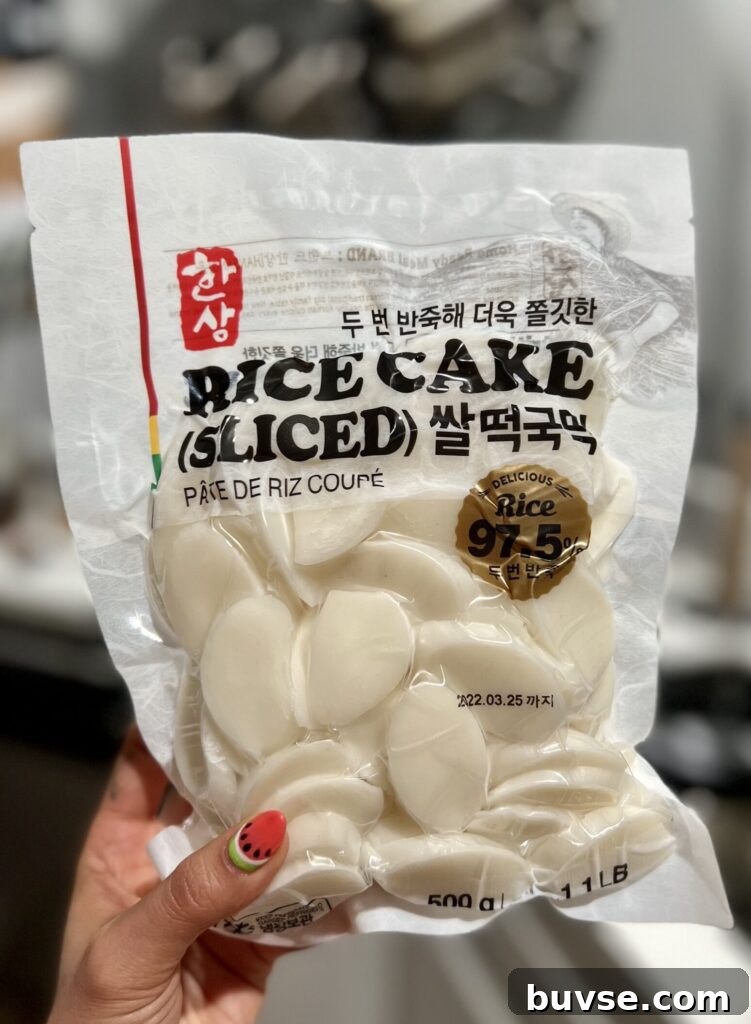
- Sliced rice cakes — The star of the dish. If frozen, soak for 5–10 minutes before cooking.
- Eggs — Optional. Separate yolks and whites to make jidan (thin egg yolk strips) and to create an egg‑drop texture with the whites.
- Roasted seaweed — Cut into thin strips for garnish. Seasoned or plain laver sheets both work.
Where to buy ingredients
Most Korean and Asian supermarkets carry sliced rice cakes, soup soy sauce, fish sauce, and frozen mandu. If you don’t have access to an Asian market, check larger grocery stores for rice cake packages or use fresh rice cakes from a bakery. Bouillon or substitute seasonings are available in most grocery aisles.
Mandu
You don’t have to use kimchi mandu—any dumpling you like will work, and you can omit them entirely if you prefer plain tteokguk. If you use fresh mandu, reduce the cooking time; frozen mandu usually take around 7–8 minutes in simmering broth.
Frozen vs. Fresh
Both frozen and fresh mandu are fine. Frozen dumplings are convenient and commonly used in home cooks’ tteok mandu guk. Fresh mandu will cook faster, so add them later. Either way, the dumplings will float when done.
Optional Garnish and Toppings
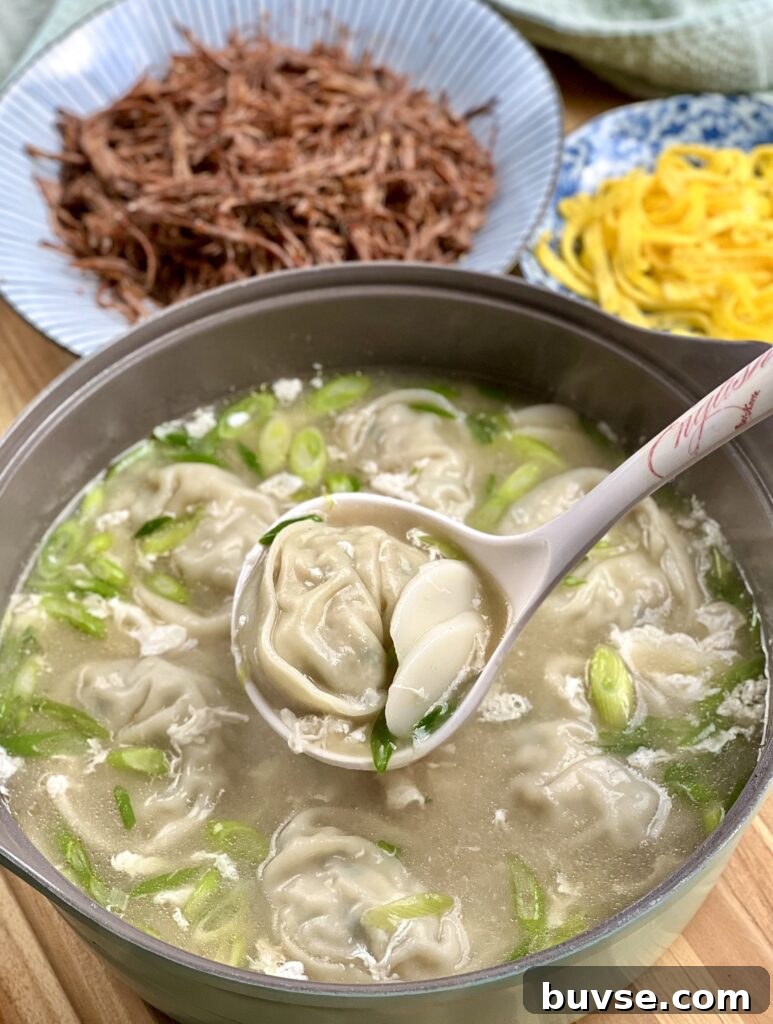
Jidan (thin egg yolk strips) and shredded seasoned beef are traditional garnishes. Roasted seaweed strips add a salty, crunchy contrast. All are optional, but they contribute color, texture, and a more authentic presentation.
Rice Cake Soup with Dumplings (Tteok Mandu Guk)
Summary: A comforting soup of sliced rice cakes and dumplings in a savory beef broth, traditionally served to celebrate the new year.
Cook time: About 1 hour 30 minutes. Servings: 2 people (adjust quantities as needed).
Ingredients (detailed)
Beef Broth
- 14 oz brisket
- 1 tsp beef bouillon (optional)
- 1/2 medium onion
- 2 green onions (white parts only)
- 5 garlic cloves
- 8 cups water
Broth Seasoning
- 1 tsp fish sauce
- 1 tsp soup soy sauce
- 1 tsp sesame oil
- Sea salt and black pepper, to taste
Beef Seasoning (for shredded brisket)
- 1 tsp sesame oil
- 1 tsp sesame seeds
- 2 tsp gochugaru (Korean red pepper flakes)
- 1/2 tsp sea salt
- 1/4 tsp black pepper
Garnish and Other Ingredients
- 10 oz sliced rice cakes
- 6–8 dumplings of your choice
- 2 green onions, thinly sliced
- 2 eggs, yolks and whites separated
- 1 pack roasted seaweed, cut into strips
Instructions
- Soak the brisket in cold water for 1 hour to draw out any blood. Discard the soaking water.
- In a large pot, combine the brisket, 8 cups cold water, onion, garlic, bouillon (if using), and the white parts of the green onions. If any powdered bouillon clumps, stir to dissolve.
- Bring to a boil uncovered. Reduce to medium‑low heat, cover, and simmer for 1 to 1½ hours until the brisket is tender. Skim off any foam or impurities that rise to the surface.
- While the broth simmers, prepare the jidan: separate egg yolks and whites. Lightly season the yolks with a pinch of salt and whisk briefly.
- On a nonstick skillet over low heat (lightly oiled if needed), spread the yolk into a thin, even layer. Cook gently until set but not browned, flip briefly, then remove. Roll and slice into thin strips. Reserve.
- When the brisket is cooked, turn off the heat, remove the meat, and set it aside to cool slightly. Strain the broth through a sieve and discard the aromatics.
- Shred the brisket and toss with the beef seasoning mixture (sesame oil, sesame seeds, gochugaru, sea salt, and black pepper). Set aside.
- Return the strained broth to the pot and season with fish sauce, soup soy sauce, and additional sea salt and black pepper to taste. Adjust carefully—some beef seasoning already contains salt.
- Add the dumplings first if using frozen ones (they typically need 7–8 minutes). Add rinsed rice cakes and cook for about 3–4 minutes, or until the rice cakes are soft and chewy. The dumplings and rice cakes will float when done. If your rice cakes were frozen, soak them for 5–10 minutes in water beforehand.
- Stir in 1 tsp sesame oil, the sliced green onions, and pour in the egg whites while stirring gently to create a light egg‑drop texture. Turn off the heat immediately.
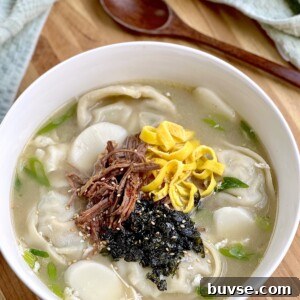
- Serve the soup hot, topped with seasoned shredded brisket, jidan (egg yolk strips), and roasted seaweed strips. Serve promptly—rice cakes will absorb broth and become soggy if left too long.
Notes and tips
- If you prefer a lighter broth color, use soup soy sauce rather than regular soy sauce. Regular soy sauce will darken the soup.
- Adjust dumpling and rice cake cooking times depending on whether they are fresh or frozen.
- Leftovers can be refrigerated for a day, but the texture of the rice cakes will change as they continue to absorb liquid—reheat gently and consider adding a splash of water or broth.
Additional Info
Author: Stella Navarro‑Kim
Cook time: 1 hour 30 minutes
Course: Main Course
Cuisine: Korean
Servings: 2 people