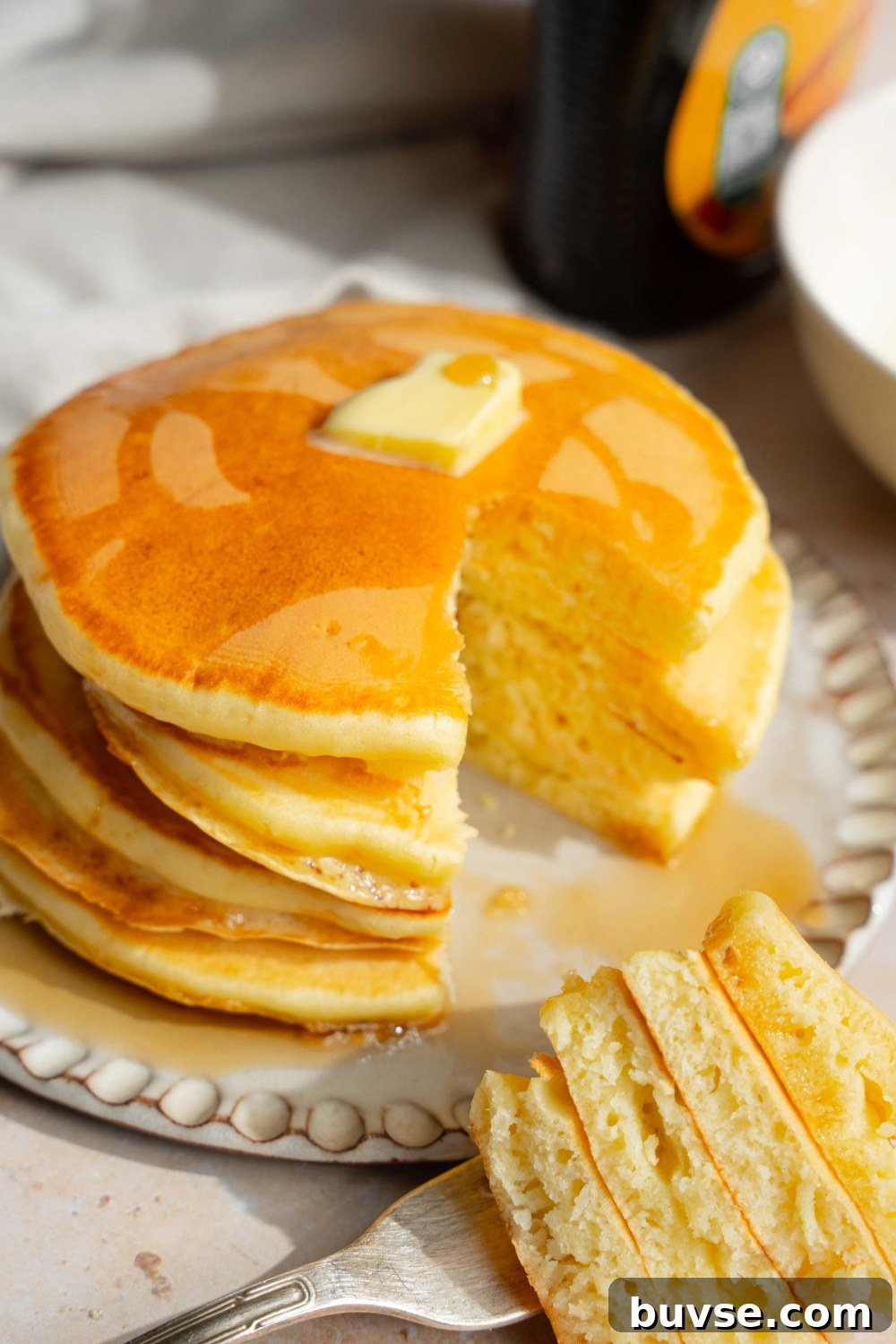
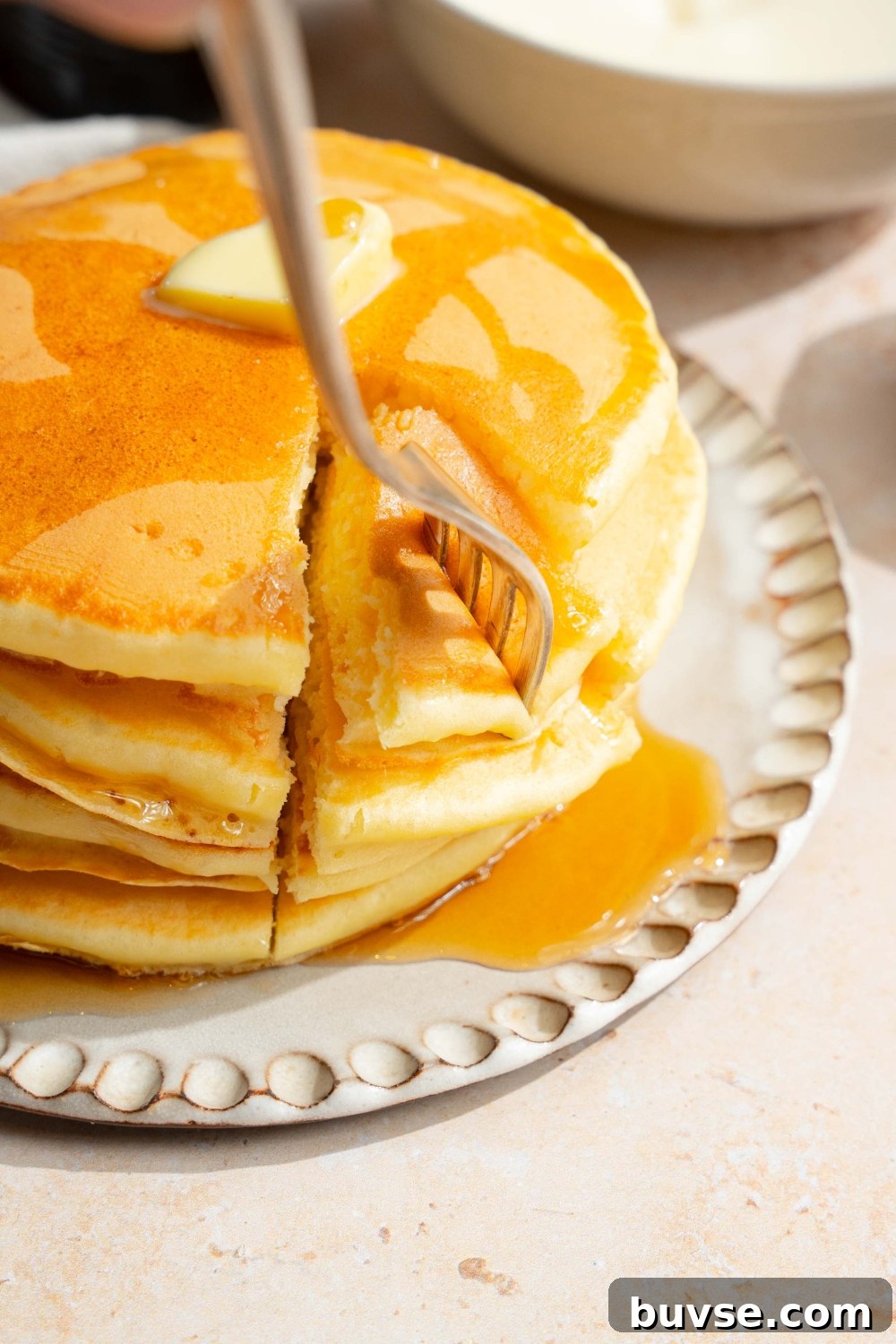
Light, tender, and quick to make, these pancakes use self-rising flour so you can skip separate leavening measurements. The built-in baking powder and salt in the flour help the batter puff up on the griddle, producing golden edges and soft centers. Whether you’re feeding a busy household on a weekday morning or making a leisurely weekend brunch, this straightforward method gives reliable, delicious results.
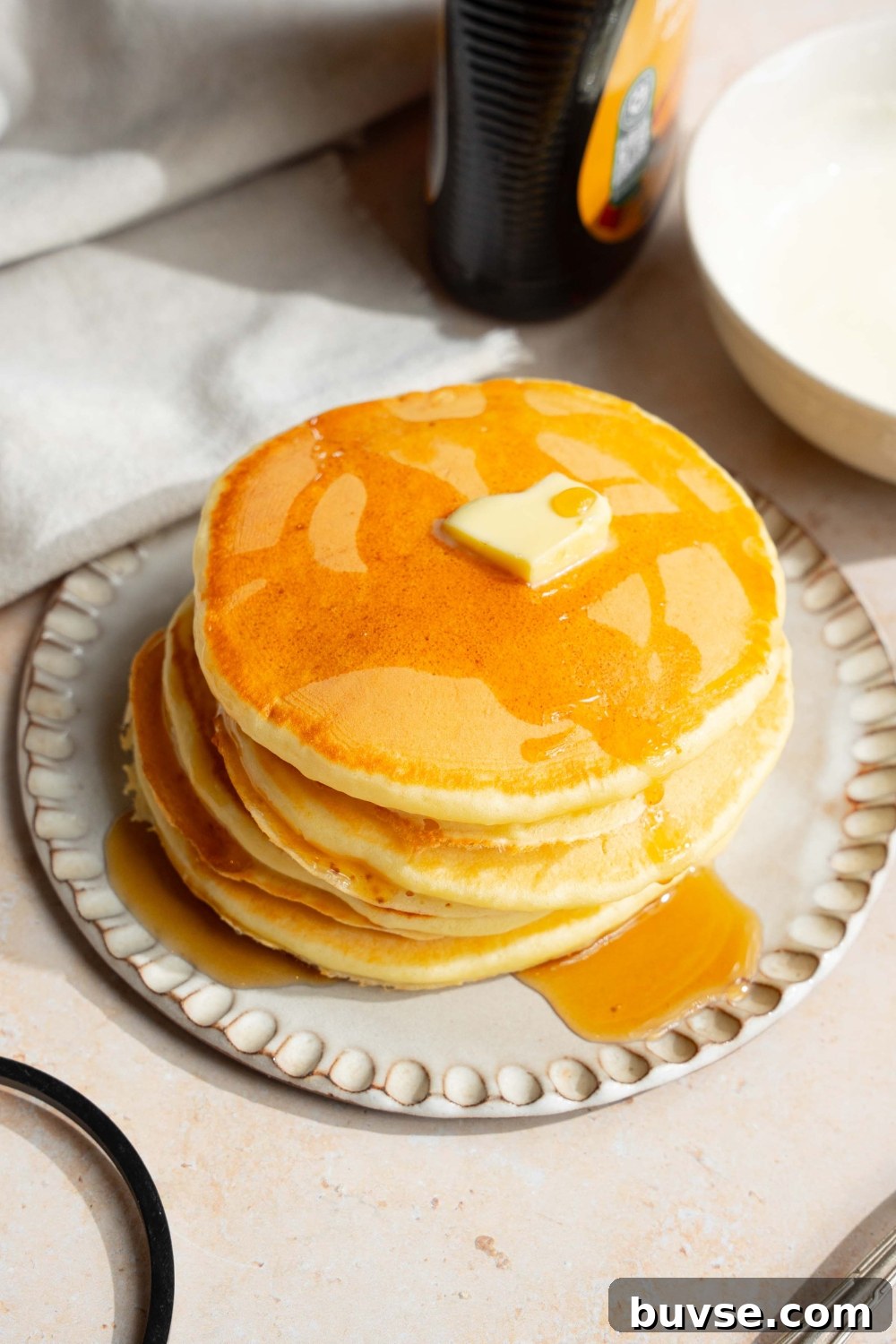
Why You’ll Love These Self-Rising Flour Pancakes
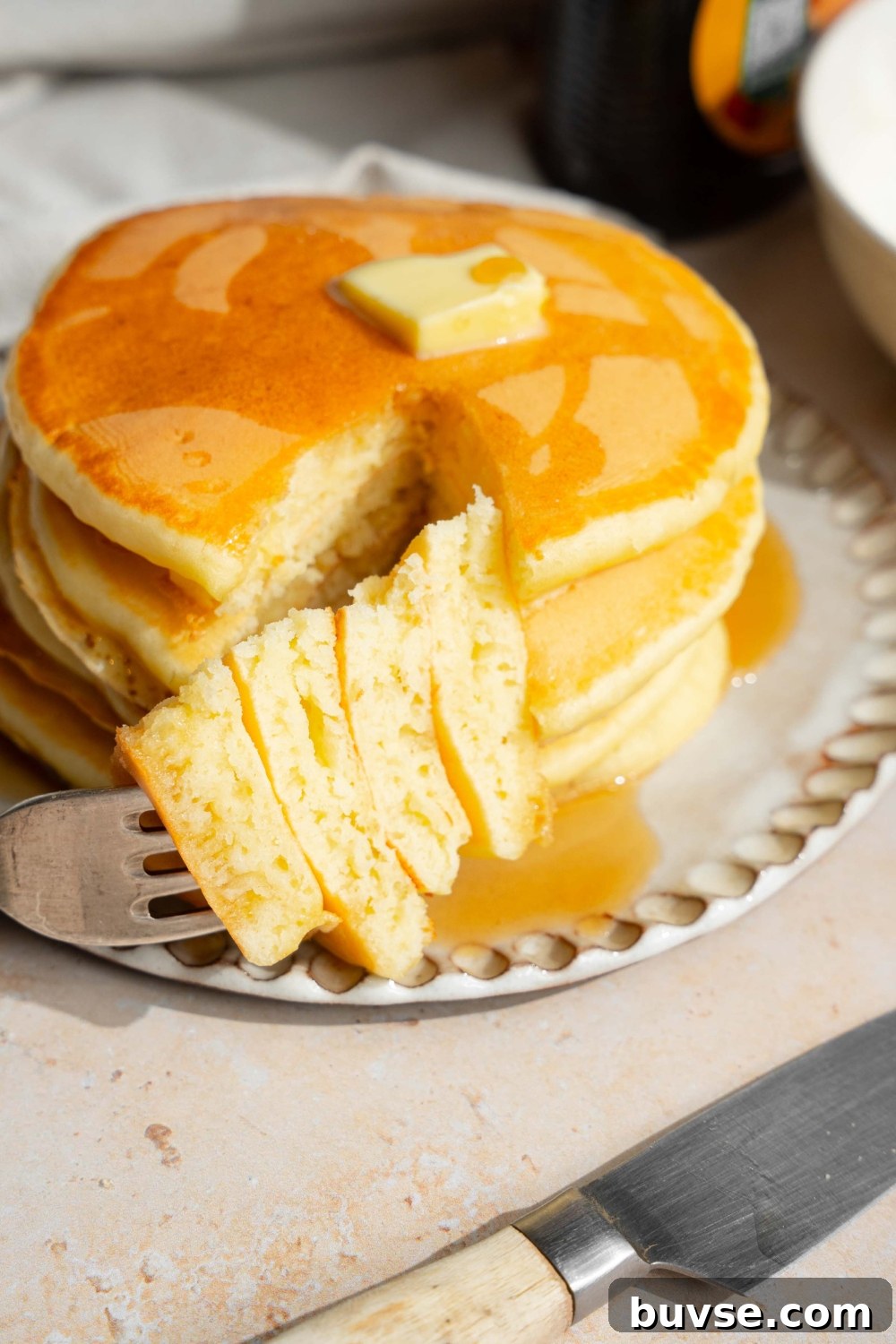
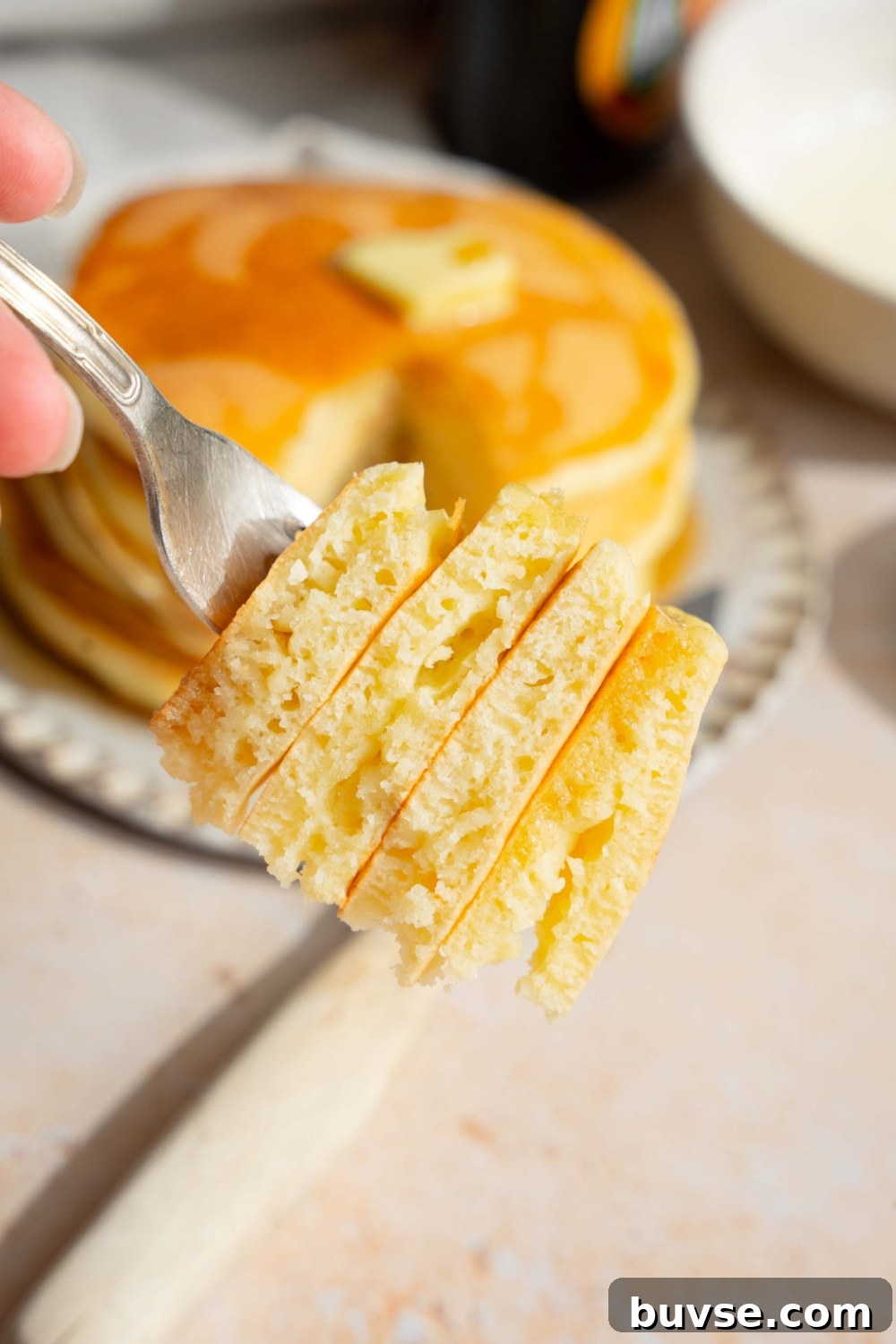
Self-rising flour removes the guesswork from leavening, so you get consistent lift every time. A brief rest after mixing allows the flour to hydrate and the leavening to start working, which helps create light, airy pancakes with a tender crumb. Using buttermilk or yogurt adds a pleasant tang and keeps the texture soft, while the batter is easy to customize with berries, chocolate chips, or cinnamon.
Fluffy Pancakes Ingredients List
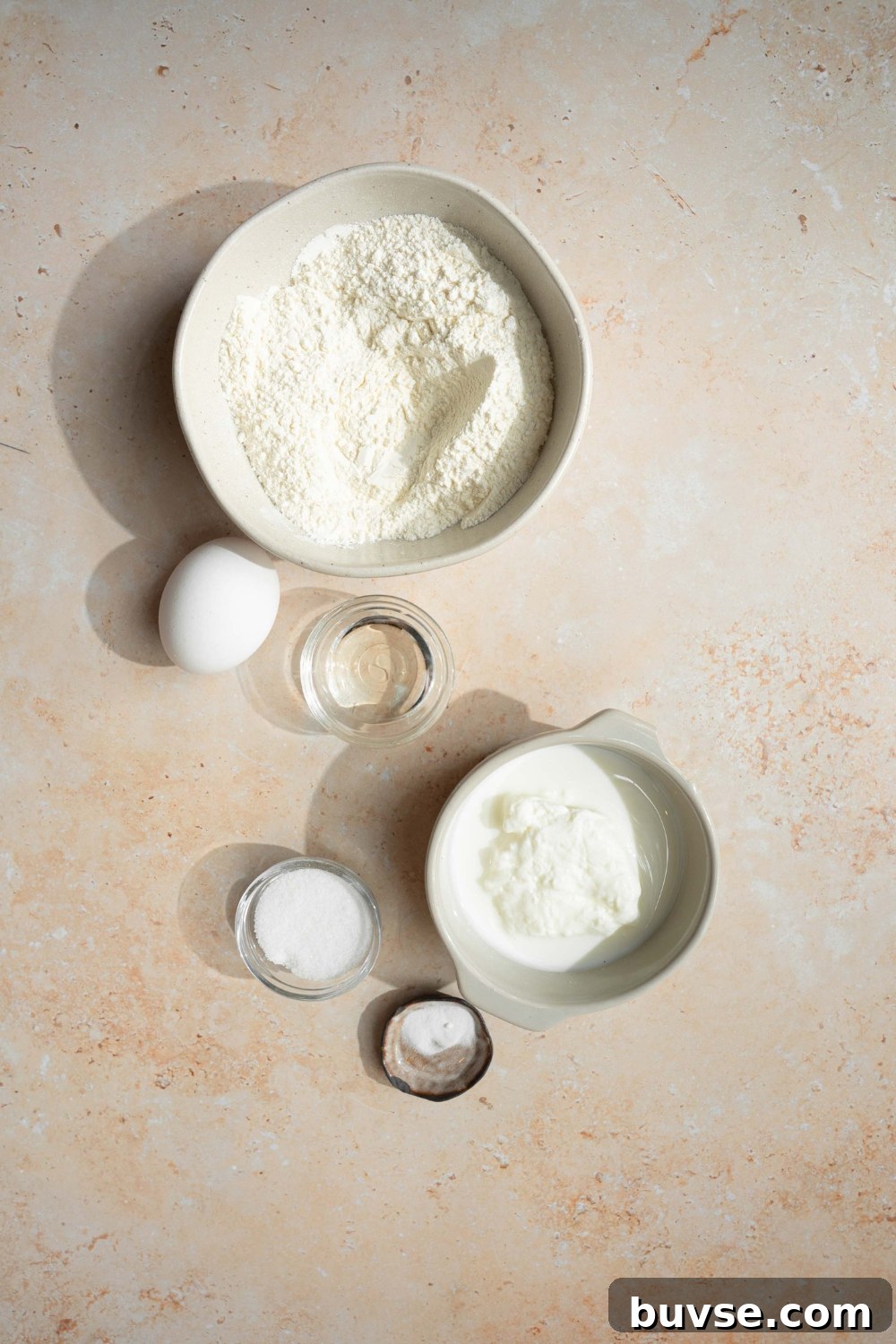
- 1 ½ cups self-rising flour
- 1 tablespoon granulated sugar
- ¼ teaspoon baking soda
- 1 large egg
- 1 cup buttermilk or plain yogurt
- 2 tablespoons vegetable oil or melted butter
- For cooking: oil or nonstick cooking spray
Ingredient Notes That Make These Pancakes Better
- Self-rising flour: This blend already contains baking powder and salt. Because formulations vary, taste a cooked pancake before adding extra salt to the batter.
- Baking soda: A small amount reacts with acidic buttermilk or yogurt to boost rise and improve browning.
- Buttermilk vs yogurt: Buttermilk delivers the classic tang and tenderness. Yogurt works well too but may need a splash of milk or water to reach the right consistency.
- Oil vs melted butter: Oil keeps cakes moist and soft; melted butter adds flavor and slightly crisper edges.
How to Make Pancakes with Self-Rising Flour
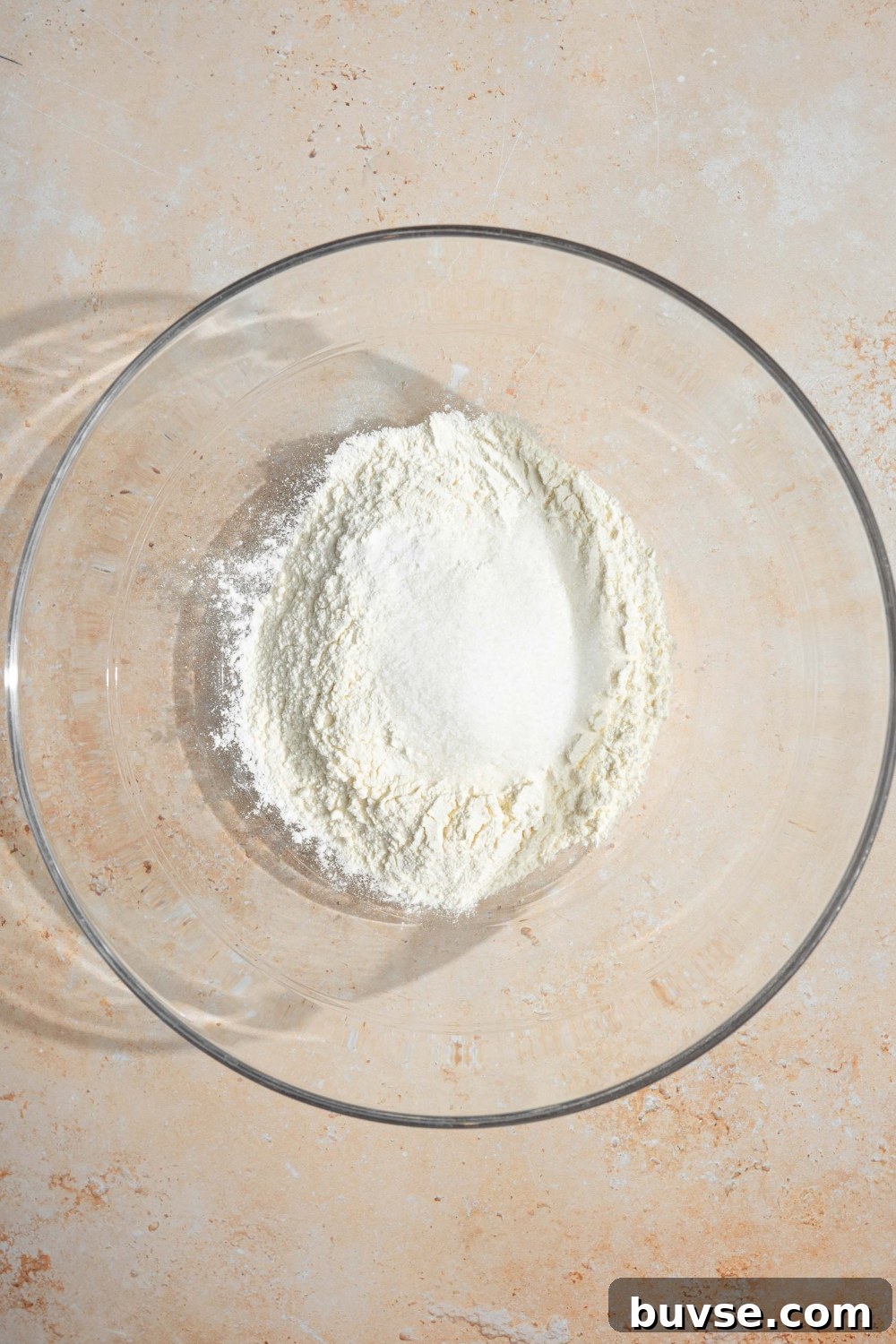
Step 1: Mix the dry ingredients
In a medium bowl, whisk together the self-rising flour, sugar, and baking soda until evenly combined.
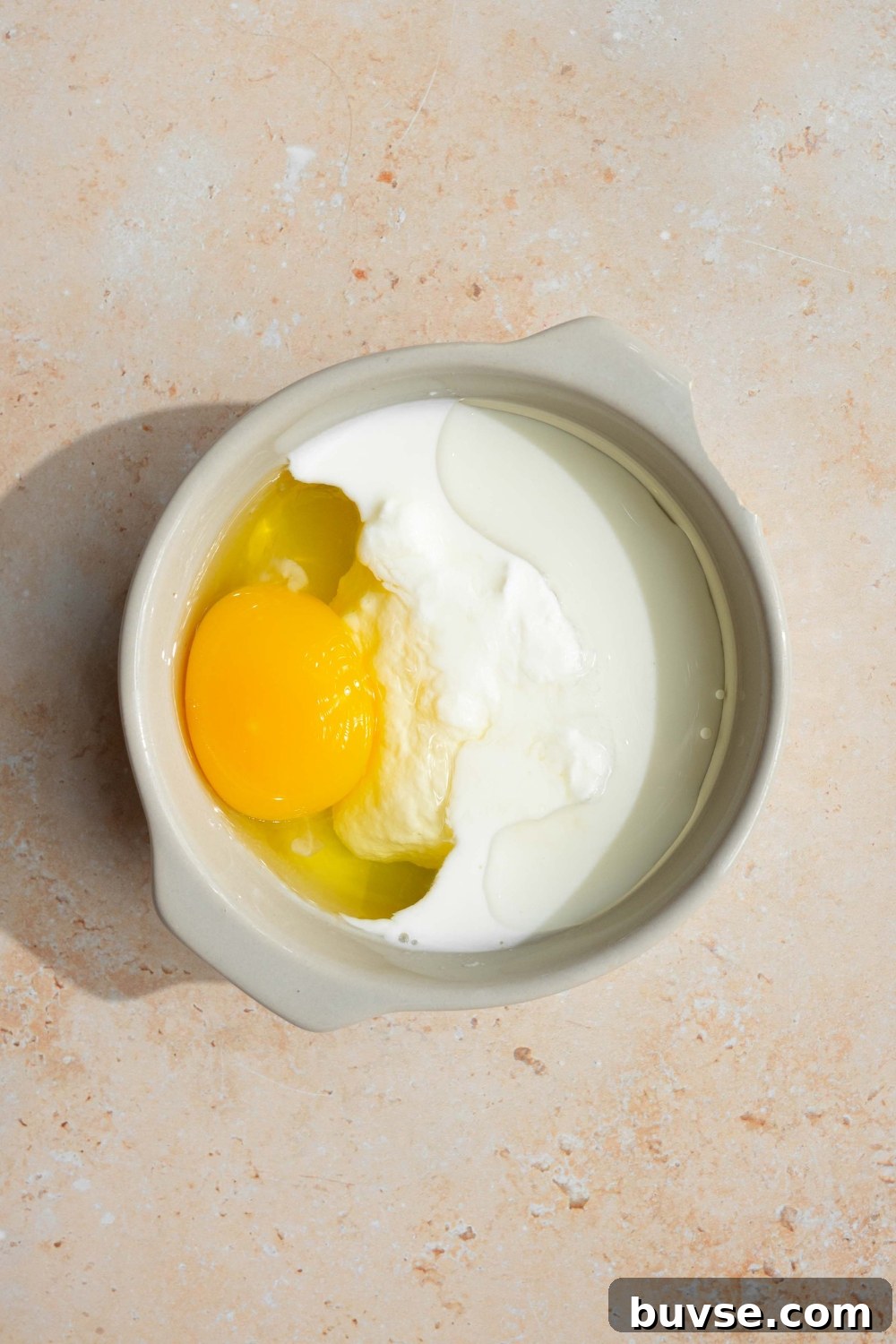
Step 2: Mix the wet ingredients
In a separate bowl, whisk the egg with the buttermilk (or thinned yogurt) and the oil or melted butter until the mixture is smooth and slightly foamy.
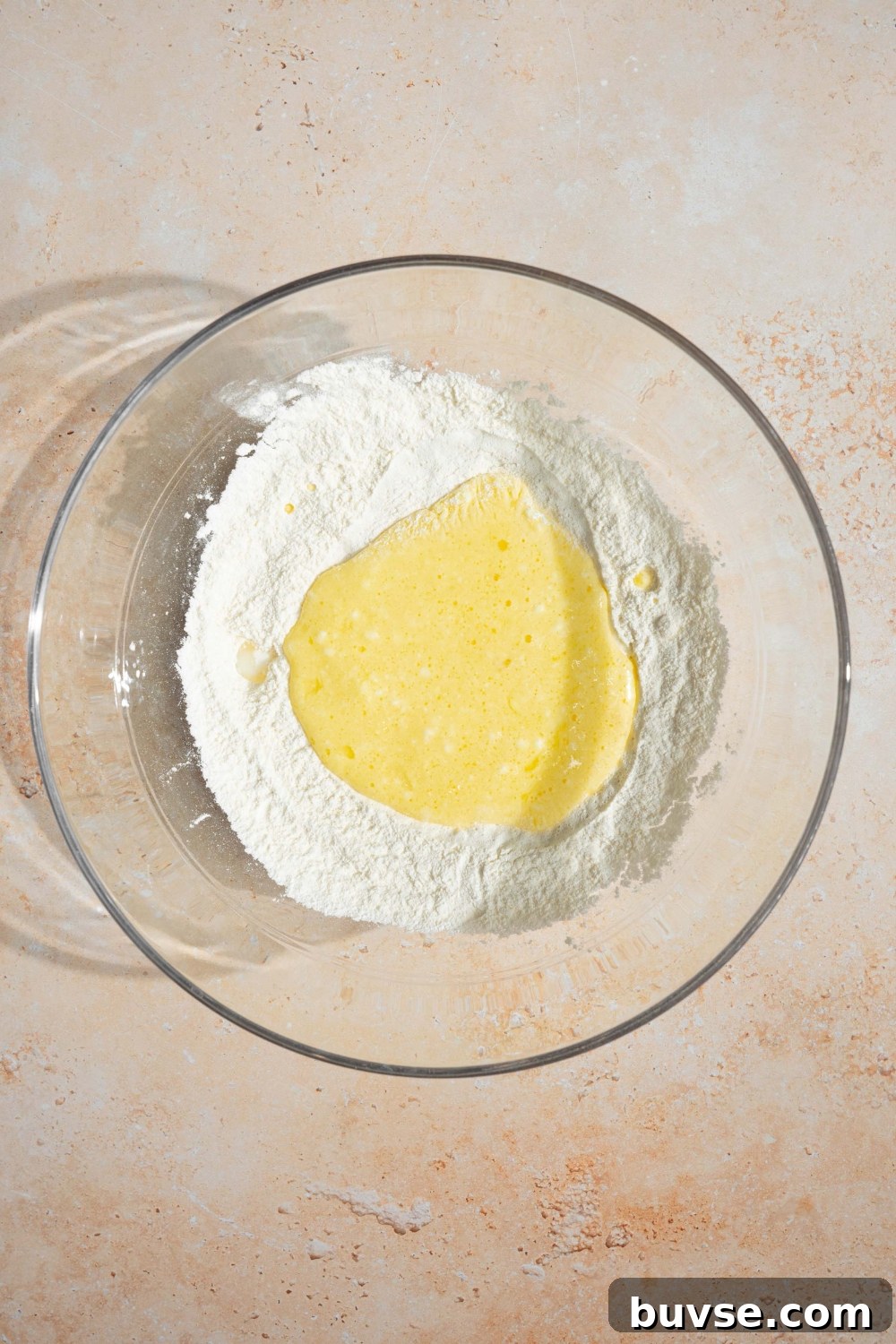
Step 3: Combine
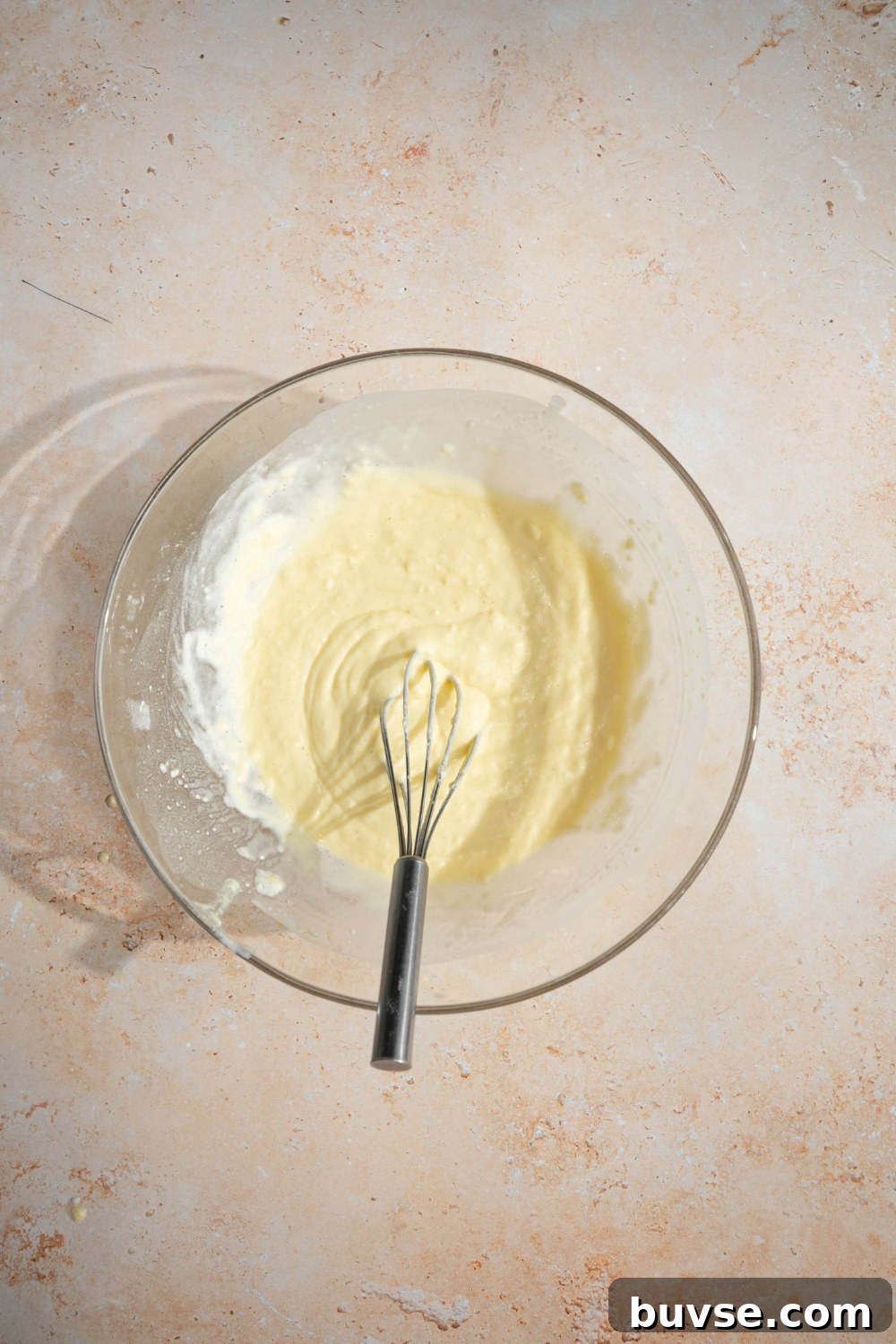
Pour the wet ingredients into the dry and stir gently just until combined. A few small lumps are fine—avoid overmixing to keep pancakes tender.
Step 4: Rest the batter
Let the batter sit for about 5 minutes while you heat a skillet or griddle over medium heat. The pan is ready when a drop of water skitters and sizzles across the surface. Lightly oil or spray the pan.
Step 5: Cook
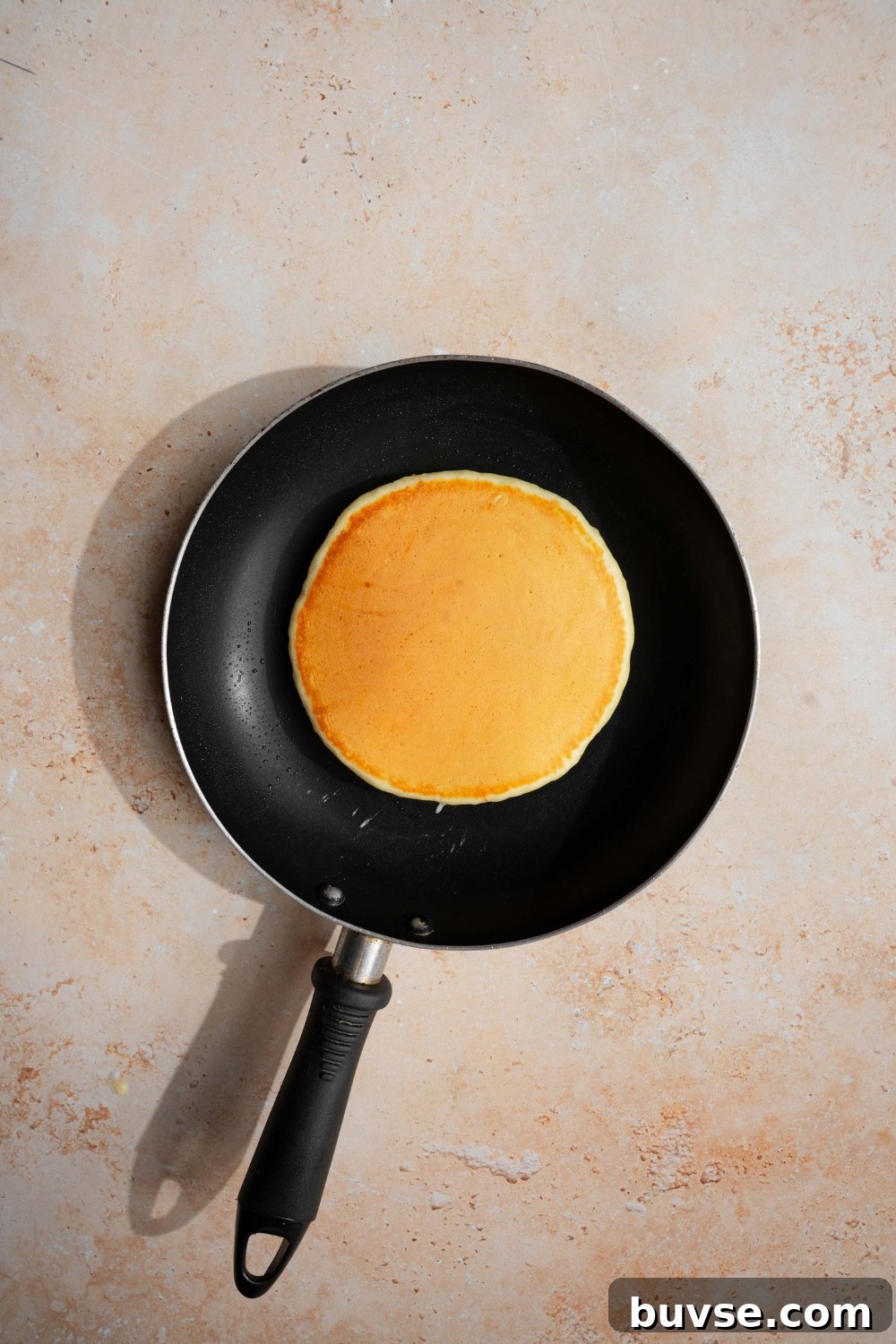
Scoop about ¼ cup of batter per pancake onto the hot surface. Cook until bubbles form across the top and the edges appear set, then flip and cook the second side until golden and fully cooked.
Step 6: Serve
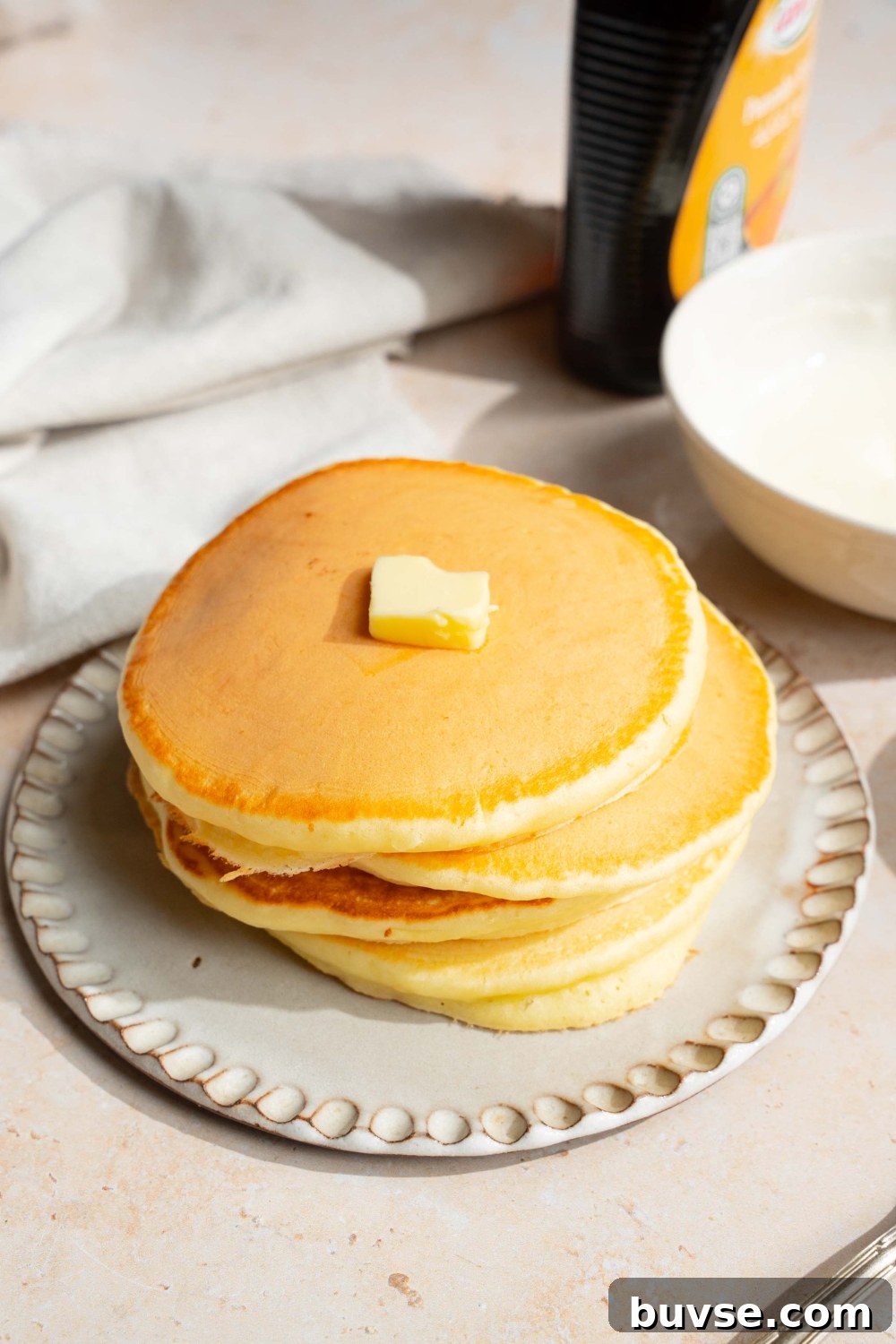
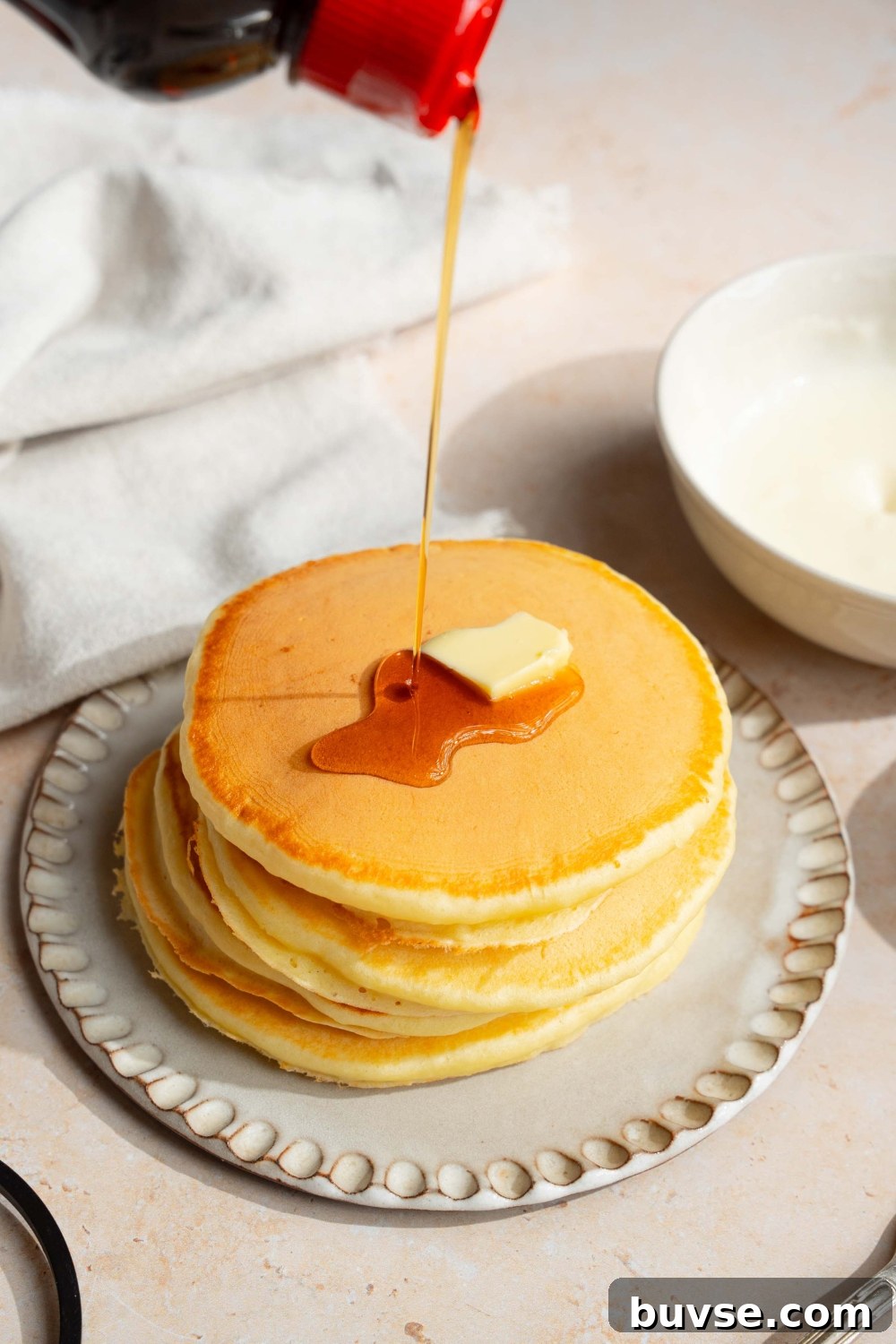
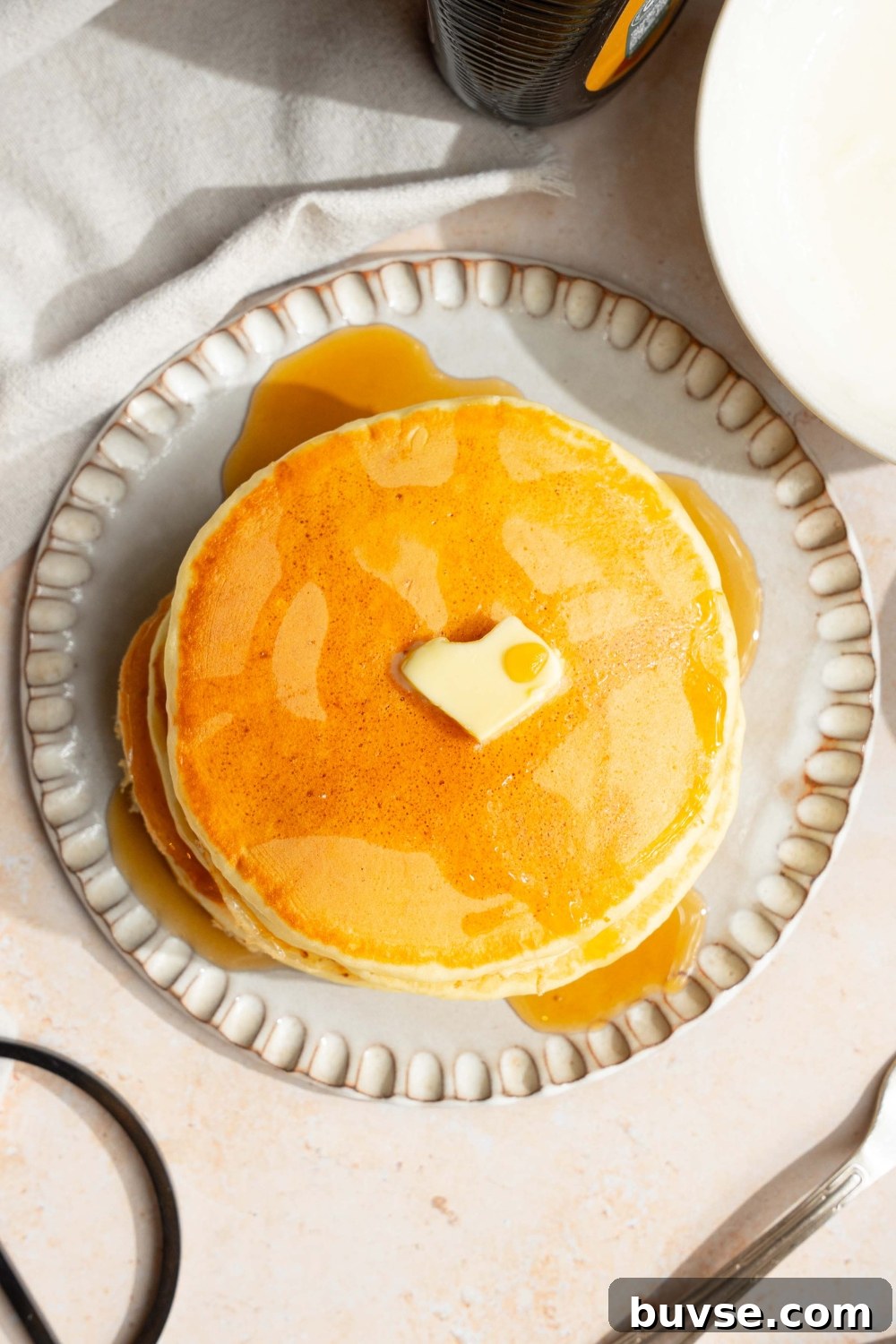
Serve pancakes hot with butter and maple syrup or your preferred toppings for a comforting breakfast or brunch.
Pro Tips for The Fluffiest Pancakes
- Don’t overmix: Stir only until the batter comes together; a few lumps are fine. Overmixing develops gluten and makes pancakes dense.
- Rest briefly: A five-minute rest helps the flour hydrate and the leavening to activate, improving rise and texture.
- Watch the heat: Medium heat usually works best. If the pancakes brown too quickly, lower the heat so they cook through without burning.
- Flip only once: Flip when bubbles appear on top and edges look set; flipping multiple times deflates the pancake.
- Test the first pancake: Use it to check temperature and consistency, then adjust as needed.
Pancake Variations You Can Make
- Blueberry: Pour the batter on the griddle, then sprinkle blueberries on top so they stay evenly distributed and don’t turn the whole batter blue.
- Chocolate chip: Add chips to the top of each pancake after pouring the batter so they remain visible and melt just enough.
- Banana: Place thin banana slices on the batter before flipping; they caramelize lightly and add sweetness.
- Cinnamon: Add ½ teaspoon of ground cinnamon to the dry mix for warm flavor; a touch of vanilla enhances the sweetness.
Storage and Reheating Tips For Fluffy Pancakes
- Refrigerator: Store cooled pancakes in an airtight container for up to 3 days.
- Reheating: Microwave for 15–25 seconds for a quick reheating, or warm in a 325°F oven to maintain a slightly crisp edge. A skillet over low heat also works well to revive fluffiness.
- Freezing: Freeze in a single layer, then transfer to a freezer bag for up to 2 months. Reheat from frozen in a toaster oven or microwave, then crisp briefly in a skillet if desired.
Pancakes with Self-Rising Flour FAQs
Can I use self-rising flour instead of all-purpose flour for pancakes?
Yes. Self-rising flour already contains leavening and salt, so it simplifies the recipe and delivers a reliable rise.
Do I need baking powder or baking soda if I’m using self-rising flour?
Generally no. Extra leavening can cause off flavors or over-rising. A small pinch of baking soda can help when using acidic ingredients like buttermilk, but follow the recipe’s guidance.
Why are my self-rising flour pancakes flat?
Flat pancakes usually result from overmixing, letting the batter sit too long, or cooking on a pan that’s not hot enough. Mix gently, rest briefly, and cook on medium heat.
Can I make pancake batter ahead of time?
It’s best to mix and cook soon after combining wet and dry ingredients because the leavening begins working once liquids are added. If you must prep, keep dry and wet components separate until ready to cook.
Can I use milk instead of buttermilk?
Yes. To mimic buttermilk, add 1 tablespoon lemon juice or vinegar to 1 cup milk and let it rest 5 minutes before using.
Can I use melted butter instead of oil?
Yes. Melted butter adds richer flavor and slightly crisper edges—just make sure it isn’t too hot when added to the batter.
How do I know when to flip pancakes?
Flip when bubbles form across the surface and the edges look set, typically 2–3 minutes on the first side. Flip once and cook until golden on the other side.
What toppings are best for fluffy pancakes?
Classic butter and maple syrup are always great. Other favorites include fresh fruit, honey, whipped cream, nut butters, and chocolate chips.
My Final Thoughts
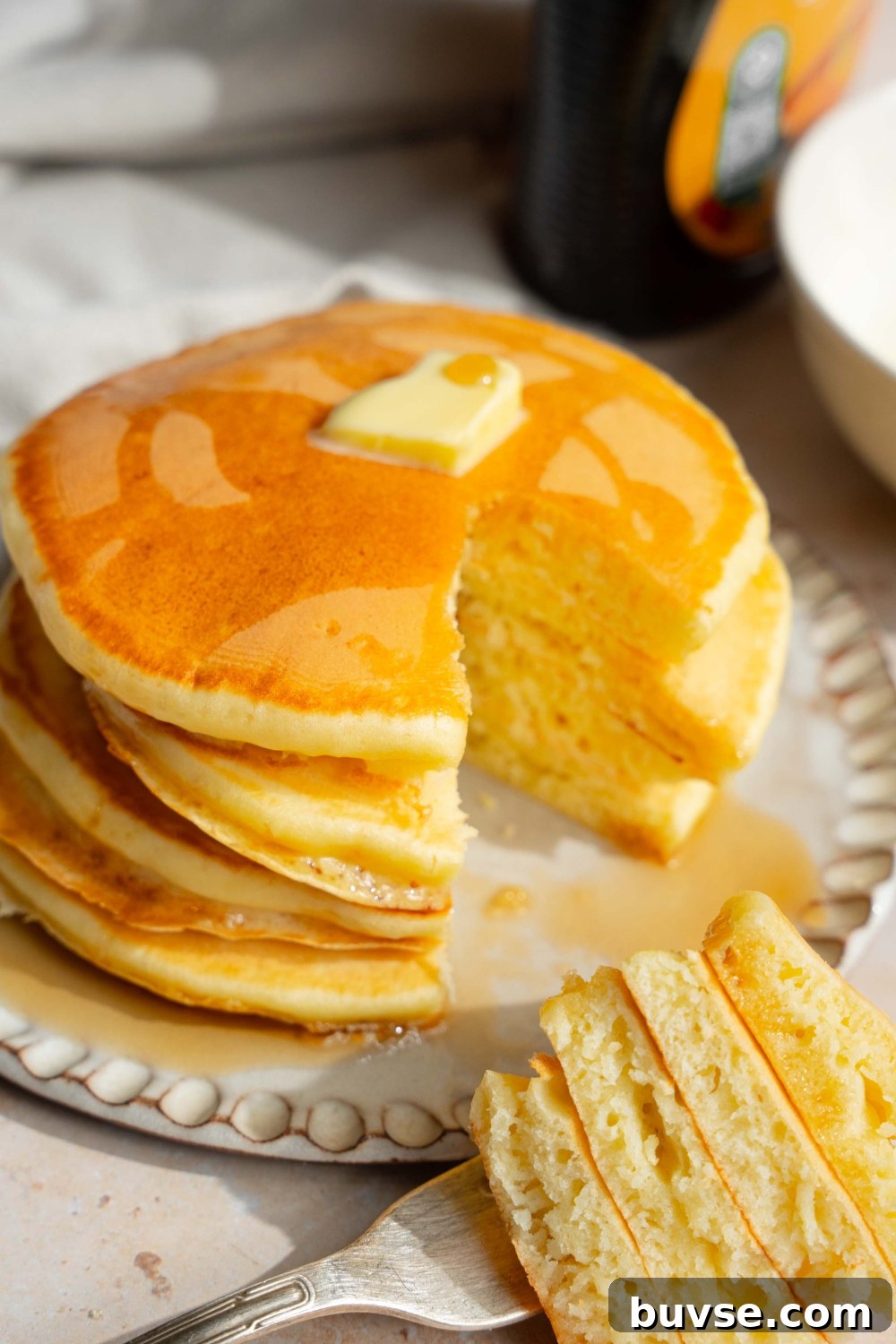
This recipe shows how simple it can be to make consistently fluffy pancakes at home using self-rising flour. Keep the batter loosely mixed, allow a short rest, and cook over moderate heat for the best texture. With a few small tweaks—like adding fruit or chocolate—you can customize the pancakes while keeping preparation quick and easy.
More Pancake Recipes to Try Next
- Pancakes without baking powder
- Healthy banana oatmeal pancakes
- Banana pancakes with pancake mix
- Pancakes without milk
- Crispy edge pancakes
- Sweet cream pancakes
Fluffy Pancakes with Self Rising Flour
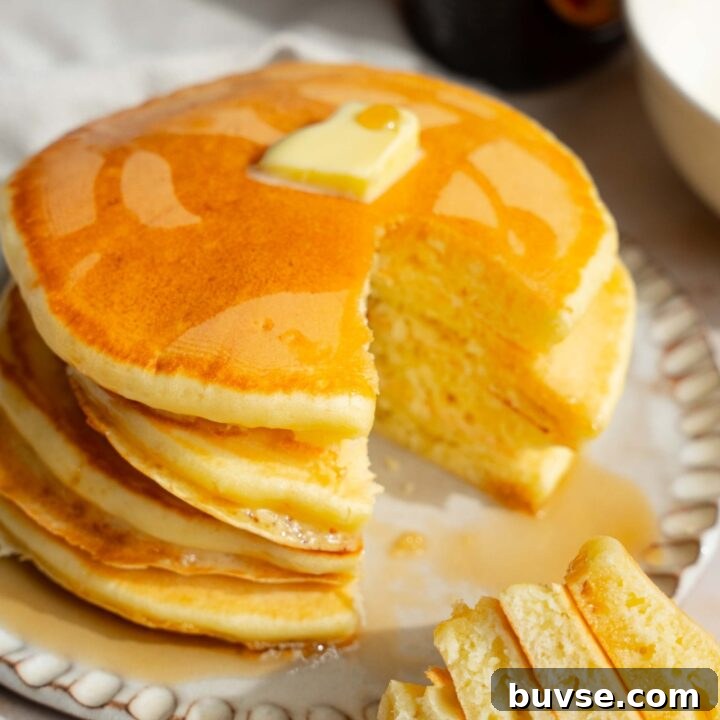
These light, quick pancakes rely on self-rising flour for dependable lift. They come out tender inside and golden outside—perfect for a no-fuss breakfast.
5 minutes
8 minutes
8 minutes
Ingredients
- 1 ½ cups Self-Rising Flour
- 1 tablespoon granulated sugar
- ¼ teaspoon baking soda
- 1 large egg
- 1 cup buttermilk or yogurt
- 2 tablespoons vegetable oil or melted butter
Instructions
- In a medium bowl, whisk together the self-rising flour, sugar, and baking soda.
- In a separate bowl, whisk the egg, buttermilk, and oil or melted butter until light and slightly foamy. Pour the wet mixture into the dry ingredients and stir just until combined. A few small lumps are fine—do not overmix.
- Let the batter rest about 5 minutes while you heat a griddle or skillet over medium heat. The surface is ready when a drop of water skitters and sizzles. Lightly brush with oil or coat with nonstick spray.
- Scoop about ¼ cup of batter onto the hot surface for each pancake. Cook until bubbles form and edges set, then flip and cook until golden and cooked through.
- Serve hot with your favorite toppings.
Nutrition Information:
Yield:
6
Serving Size:
1 pancake
Amount Per Serving:
Calories: 306
Total Fat: 6g
Saturated Fat: 1g
Unsaturated Fat: 5g
Cholesterol: 33mg
Sodium: 157mg
Carbohydrates: 52g
Fiber: 2g
Sugar: 5g
Protein: 9g