Oregon Chardonnay: A Renaissance at Stoller Family Estate
Oregon Chardonnay is proving to be far from the heavy, one-note style many people associate with the grape. At the third annual Oregon Chardonnay Symposium held at the scenic Stoller Family Estate, winemakers, writers, and enthusiasts gathered to celebrate a vibrant, lively expression of Chardonnay that emphasizes acidity, balance, and a clear sense of place.
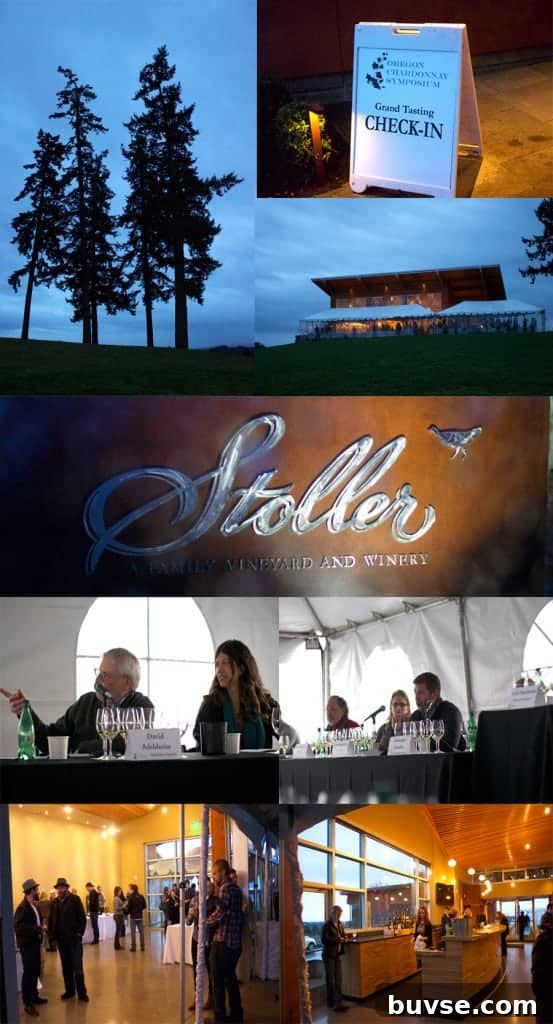
The sold-out event drew more than a hundred guests into a tent outside Stoller’s tasting room, with many standing at the back to listen. Moderated by northwest wine writer Cole Danehower, the panel featured some of Oregon’s most respected Chardonnay producers — a group that Danehower described as those who “embody where Oregon Chardonnay is and where it is going.”
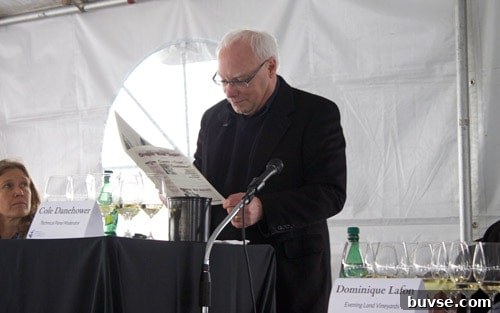
Josh Bergström of Bergström Wines summed up a common sentiment: “Oregon Chardonnay is experiencing a fantastic renaissance.” Panelists discussed the need to take thoughtful risks and push boundaries while avoiding mediocrity. For these producers, the aim is clear — to craft world-class Chardonnay that reflects Oregon’s cooler growing conditions, vivid acidity, and site-driven character. That effort matters: Chardonnay still comprises less than five percent of Oregon’s plantings, yet the variety shows strong potential to raise the state’s white wine profile.
Why focus so much energy on a varietal that represents a small fraction of Oregon’s vineyards? Part of the answer lies in identity. Oregon is known for Pinot Noir on the red side, while white wines have historically shown diversity rather than a single defining style. That diversity can confuse consumers, so one goal of the symposium was to discuss how Oregon might develop a clearer voice for Chardonnay without trying to imitate Burgundy or California.
“Oregon is Oregon. We should not try to be Burgundy, or California,” commented Veronique Drouhin, emphasizing that Oregon Chardonnay needs time to build a solid reputation. Quality is improving across the board, and producers who are deeply focused on Chardonnay are helping establish a more consistent standard.
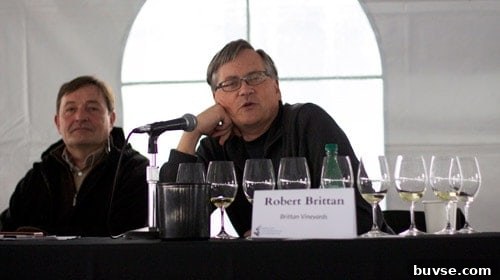
Perspectives varied on how long it will take to define an “Oregon style.” Robert Brittan suggested a couple decades may be required before a consensus emerges. David Adelsheim, a veteran producer and pioneer in the state, framed the challenge as “establishing a vision of greatness” — a process similar to how Pinot Noir gained prominence in Oregon. For him, moving beyond generic approaches is key to elevating Chardonnay’s reputation.
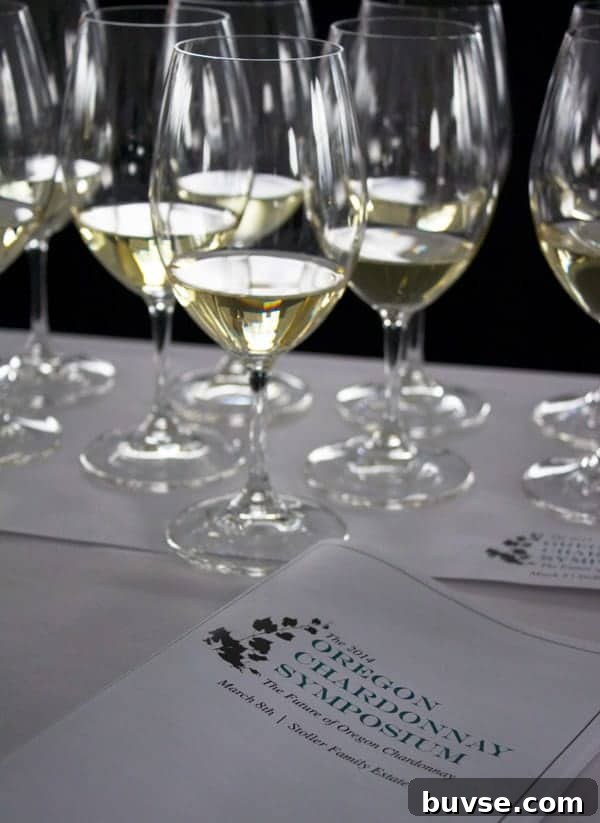
The tasting lineup showcased that Oregon Chardonnay is already far from generic. Panelists and guests sampled a broad range of wines that were consistently clean, fresh, and expressive, often exhibiting pronounced minerality and bright acidity. Many of the most compelling bottles also displayed a savory element that extended their finish and invited food pairing — an appealing trait for restaurants and home cooks alike.
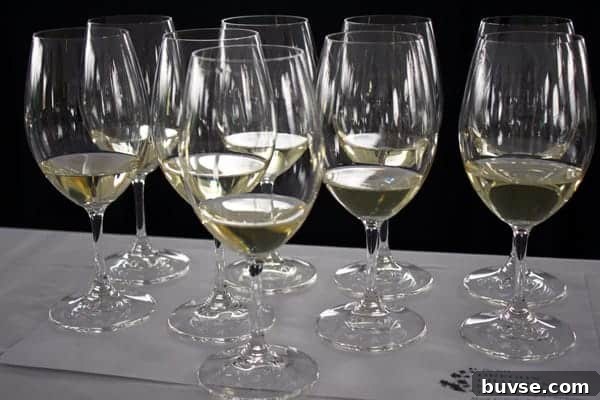
After the panel, attendees moved into Stoller’s tasting room for a grand tasting featuring over 40 Chardonnays selected by a professional panel months earlier. The range included wines made with no oak as well as those fermented and aged in new oak — but none could be dismissed as “oak bombs.” Instead, several producers have achieved thoughtful balances between careful oak use and stainless steel aging, demonstrating that defining Oregon Chardonnay by oak regimen alone is an oversimplification.
Personal highlights from the tasting included Brittan Vineyards’ 2012 Willamette Valley Chardonnay, noted for its savory complexity and crisp acidity, and the 2012 Domaine Drouhin “Arthur” for its focused clarity. Other memorable wines came from Big Table Farm, Bergström, Keeler Estate, Kramer Vineyards, Omero Cellars, Stoller Family Estate, and Soter Vineyards.
Overall, the symposium made one point clear: Oregon Chardonnay is on the rise. Its strengths — lively acidity, clean fruit, mineral drive, and increasing stylistic sophistication — make it worth watching. If you think you don’t like Chardonnay, exploring Oregon examples may change your mind.
Coverage and reflections on the event and conversations with the symposium’s founders were also published in an article on Palate Press.