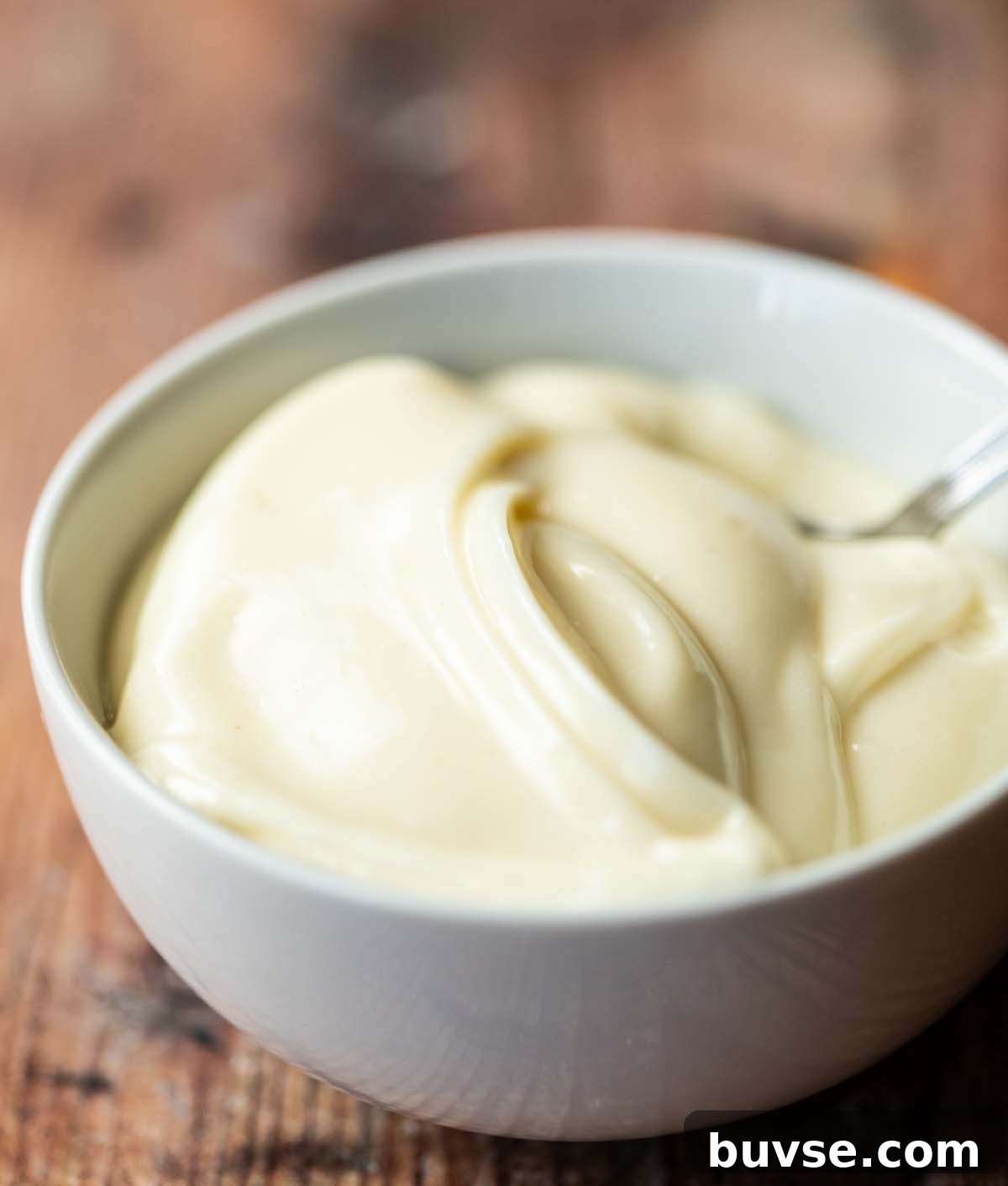
Mayonnaise couldn’t be easier to make and it’s far better than store-bought. Below are tips and a simple recipe for perfect homemade mayo.
Ever wondered how to make your own mayonnaise? All you need is a bowl, a whisk and a few pantry staples. Read on for straightforward instructions and helpful tips to get a smooth, creamy result every time.
Homemade Mayonnaise
First, here’s what you’ll need:
- Egg yolk – 1 large, as fresh as possible.
- Neutral-flavoured oil – vegetable, canola, rapeseed or grapeseed oil work best.
- White wine vinegar – to balance richness.
- Lemon juice – adds brightness and acidity.
- Dijon mustard – optional but helps emulsify and adds flavor.
- Salt – to taste.
Is raw egg safe to eat?
For most people the risk from raw egg is low, especially when using very fresh eggs with intact shells. The acidity from lemon juice or vinegar also helps reduce bacterial risk. If you prefer an extra precaution, use pasteurised eggs. The yolk is essential here: it provides flavour and the emulsifying proteins that bind oil and water into a stable mayonnaise.
Can I use olive oil?
Olive oil can be too strong and bitter for a traditional-style mayonnaise. For a milder, more versatile mayo choose a light, neutral oil. If you like a pronounced olive taste, you can try a blend of neutral oil and a small amount of mild olive oil, but use it sparingly.
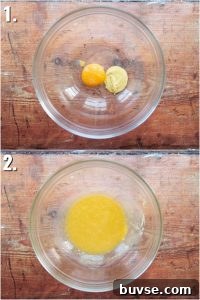
Process note: Combine the egg yolk, mustard, vinegar, lemon juice and salt in your mixing bowl and whisk to combine before you start adding oil.
How to make Mayonnaise
What you’re doing is creating an emulsion: dispersing tiny droplets of oil into a water phase so the mixture becomes thick, smooth and creamy. You can use an immersion blender or food processor, but a bowl and whisk give excellent control and a classic texture. It takes a bit more elbow grease, but you can watch and feel the mayo thicken as you go.
Slow and steady wins the race
The key is to add the oil very slowly while whisking constantly. Start drip by drip, making sure each bit of oil is fully incorporated before adding more. If you pour oil too quickly the emulsion can break and the mayonnaise will split. Patience here pays off.
Use a tea towel to steady the bowl
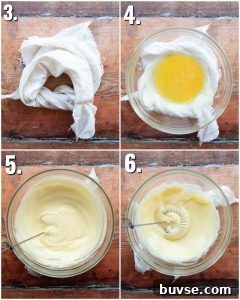
Because one hand pours and the other whisks, the bowl can move around. Fold or loosely knot a tea towel and place the bowl on it to stabilise while you work.
Process note: Stabilise the bowl, add the oil slowly while whisking, and continue until the mixture thickens to mayonnaise consistency.
Mayonnaise FAQ
How do I thicken homemade mayonnaise?
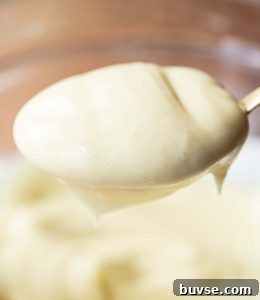
The more oil you successfully incorporate, the thicker the mayo will become. If the mixture still seems thin after initial whisking, whisk vigorously to ensure full emulsification, then continue to drizzle in oil slowly until you reach the desired thickness.
My mayonnaise is too thick. How do I thin it out?
Whisk in a few drops of warm water at a time until the texture loosens. Only a little water is needed, so add it incrementally to avoid over-thinning.
How should I store mayonnaise?
Transfer the mayonnaise to a clean, airtight container and refrigerate immediately. Do not leave homemade mayo at room temperature for extended periods.
How long does homemade mayonnaise last?
Stored in the fridge in a sealed container, homemade mayonnaise is usually best within 3–5 days. You may keep it up to a week at your discretion, but use your senses—check appearance and smell before using.
Serving Mayonnaise
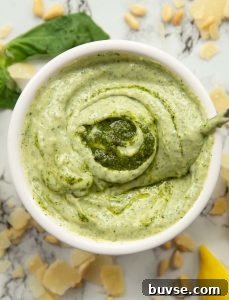
Mayonnaise is a versatile condiment: it’s perfect on sandwiches such as chicken mayo and egg mayo, and it can even replace butter for frying a grilled cheese to give a crisp, golden result. You can also flavour mayo easily—try horseradish mayo, chipotle mayo or pesto mayo for different uses and tastes.
With these basic tips you can customise the flavour and texture to your preference and use mayo in a wide range of dishes.
How to make Mayonnaise (Full Recipe)
Equipment
- Medium-sized mixing bowl
- Tea towel (to stabilise the bowl)
- Whisk
- Jug or measuring container for the oil
Ingredients
- 1 cup / 240 ml neutral-flavoured oil (vegetable, canola, rapeseed or grapeseed)
- 1 large egg yolk
- 1 tsp Dijon mustard
- 1/2 tsp lemon juice
- 1/2 tsp white wine vinegar
- Salt, to taste
Instructions
- In a medium mixing bowl combine the egg yolk, mustard, vinegar, lemon juice and a pinch of salt. Whisk until smooth and combined.
- Place a loosely knotted tea towel under the bowl to stabilise it while you work.
- Begin adding the oil very slowly—start drip by drip—while whisking vigorously. Make sure each small amount of oil is fully incorporated before adding more. As the emulsion forms you can gradually pour a steadier stream, but continue whisking constantly. If the mixture appears to split, stop adding oil and whisk until it comes back together.
- Continue until the mayonnaise reaches your desired thickness. You may not need all the oil.
- Adjust seasoning with salt, lemon juice or vinegar to taste. If the mayonnaise becomes too thick, whisk in a few drops of warm water to loosen it.
Notes
- Raw egg safety: The risk from raw egg is generally low with fresh, intact eggs. Acidic ingredients like lemon and vinegar also help. Use pasteurised eggs if you prefer an added safety margin.
- Oil choice: Use a neutral oil for a mild mayo. Olive oil is strong and can dominate the flavour; if using it, blend it with a neutral oil and use sparingly.
- Storage: Keep mayonnaise refrigerated in a sealed container and use within a few days (typically 3–5 days).
Nutrition (per serving)
Calories: 124 kcal. Fat: 13.92 g. Cholesterol: 12 mg. Sodium: 40 mg. Protein: 0.18 g. (Values are estimates based on the recipe ingredients and serving sizes.)
If you enjoyed this mayonnaise recipe, save it for later or try variations such as horseradish, chipotle or pesto mayo. If you make it, feel free to share your results or ask questions in the comments below.