Carrot Almond Halwa | Carrot Halwa | Badam Halwa | Almond Halwa | Almond Pudding | Almond Flour Halwa | South Indian Tamil Nadu Style Badam Halwa | Indian Dessert | Instant Indian Sweets | Almond Flour Recipes | Almond Fudge
Badam halwa | Indian Almond Pudding
Badam halwa is a rich, traditional Indian sweet—especially popular in Tamil Nadu during festivals, weddings and special occasions. This version combines almond flour and carrot to create a fragrant, silky halwa that is indulgent yet easy to prepare at home.
What makes the catering-style Badam halwa special?
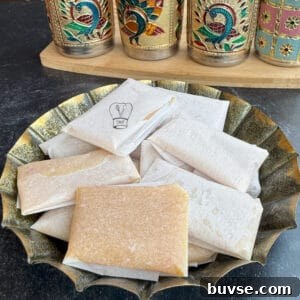
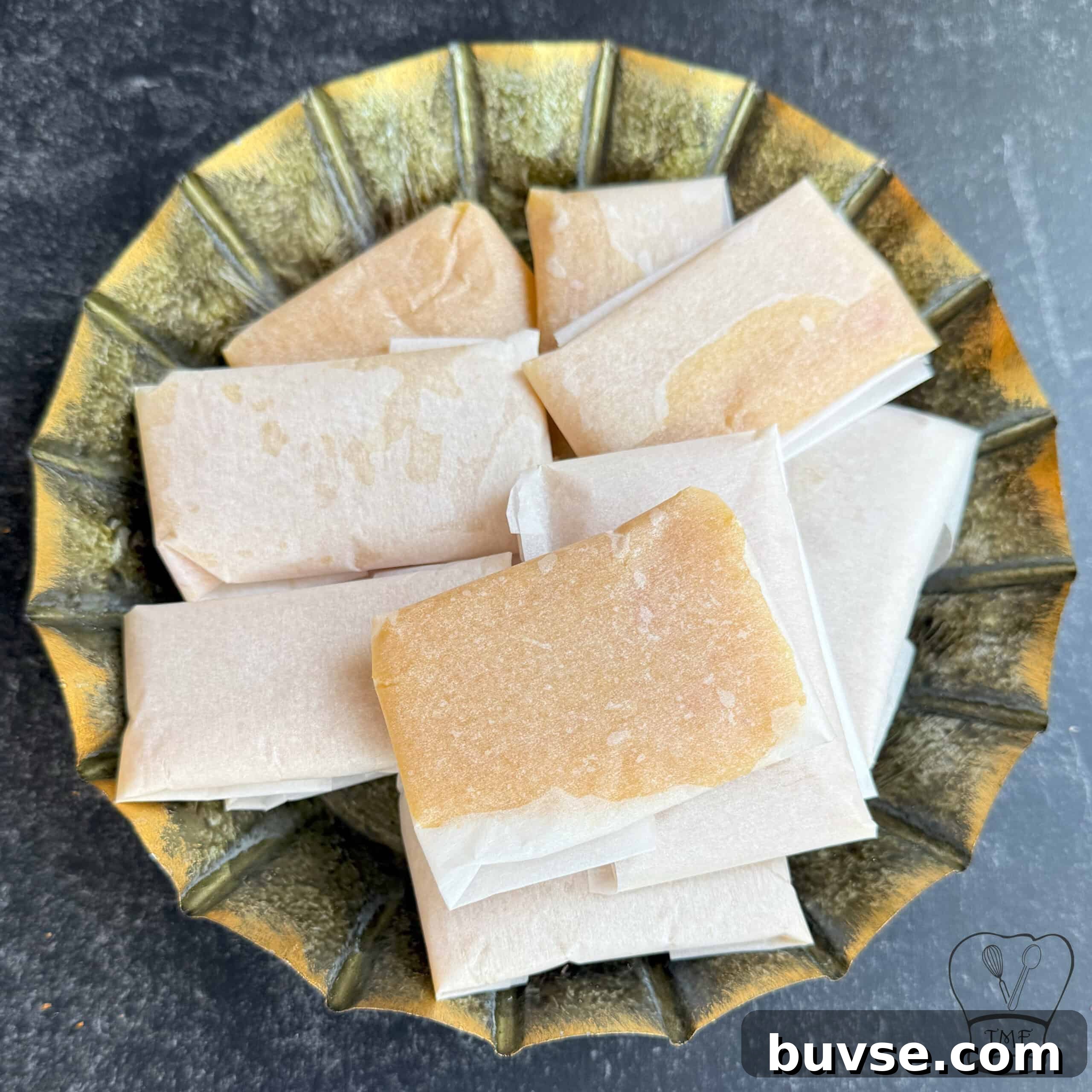
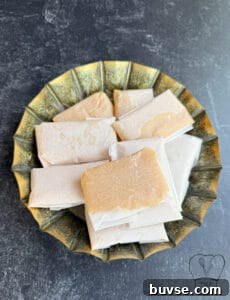
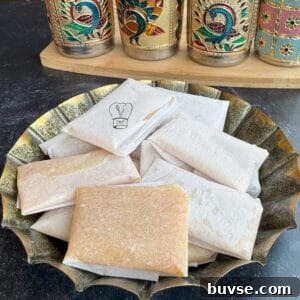
Catering-style Badam halwa often has a softer, fudgy texture and is traditionally portioned and wrapped for serving. The soft fudge-like pieces, when wrapped in parchment or butter paper, make elegant individual servings and a memorable presentation.
Is this a time-consuming dessert?
Traditional Badam halwa requires soaking and peeling almonds before grinding them into a paste, which can be time-consuming. Using almond flour is a convenient shortcut that preserves the authentic almond flavor while speeding up preparation without sacrificing taste.
Why use carrot in Badam halwa?
Carrot adds natural sweetness, color and a pleasant texture to the halwa. It reduces the need for extra sugar and avoids artificial food coloring, while complementing the nutty almond flavor.
Can I increase the sugar?
Yes. Adjust the sugar to taste. Carrot and almond flour provide natural sweetness, so the recipe’s sugar amount is balanced, but you can increase it if you prefer a sweeter halwa.
Can I use whole almonds instead of almond flour?
Yes. Soak almonds, peel them, and grind into a smooth paste. Use about one-third cup of the freshly ground almond paste in place of the almond flour called for in this recipe.
Is ghee sufficient for this halwa?
Ghee is essential for authentic flavor. You can increase the ghee slightly for extra richness, but if you plan to shape and wrap the halwa, avoid making it overly oily so the pieces hold their shape.
Is food color necessary?
No. The combination of carrot and saffron gives the halwa a natural, appealing color and flavor—no artificial color needed.
Cooking tips: Keep stirring and use the right pan
Use a wide, heavy-bottomed nonstick pan to cook the halwa evenly. Keep stirring regularly to prevent the halwa from browning or sticking to the base of the pan.
How long should I cook the halwa?
Cook until the mixture thickens and starts to leave the sides of the pan. Remember halwa will firm up slightly as it cools, so stop cooking once it reaches a thick but pliable consistency.
Should I transfer the halwa immediately?
Yes. Transfer the halwa to a different vessel as soon as it is done to prevent it from overcooking in the hot pan and to maintain the desired texture.
Always wrap while warm
Shape and wrap the halwa pieces while they are still warm and pliable. Use parchment or butter paper for the classic catering-style presentation. Avoid wrapping once the halwa has fully cooled, since it will be harder to shape.
Almond flour recipes
Halwa recipes
Diwali sweets
Wedding-style recipes
Ingredients
- 1/2 cup almond flour
- 1/4 cup carrot (grated or chopped)
- 1/2 cup sugar
- Pinch of saffron
- 1/2 cup milk
- 1/4 cup ghee
- 1/2 tsp cardamom powder
How to make Badam halwa — step-by-step
- First, pressure cook the carrots with the milk and saffron for two whistles, or simmer until the carrots are soft and the milk has absorbed the carrot flavor.

- Allow the mixture to cool slightly, then blend or grind to a smooth puree.
- Heat 1 tablespoon of ghee in a wide, heavy-bottomed pan over medium heat.
- Add the carrot-milk puree and bring to a gentle boil while stirring.
- Add a little more milk if needed and let it come to a boil again so the mixture is uniform.
- Stir in the almond flour and sugar, mixing thoroughly to avoid lumps. Continue to cook on medium-low heat.
- Add 1 tablespoon ghee and the cardamom powder; keep stirring until the mixture thickens and begins to reduce.
- Add another tablespoon of ghee and cook until the halwa starts to leave the sides of the pan and reaches a thick, fudge-like consistency.
- Immediately transfer the hot halwa into a clean vessel and let it cool until warm to touch.
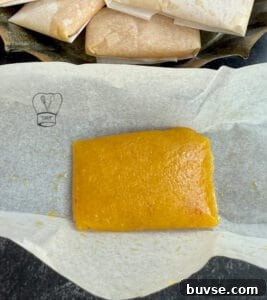
- Grease a spoon with ghee, scoop portions, shape them by hand or with a spoon, and place each on parchment paper.
- Wrap the pieces while still warm for the classic catering-style presentation.

Serving, storage and variations
Serve the halwa warm or at room temperature. For a decorative touch, garnish with slivered almonds or a few strands of saffron. If you used whole-almond paste instead of almond flour, the texture will be slightly more rustic. Store any leftovers refrigerated and consume within a few days. Reheat gently on low heat with a splash of milk or a little ghee to restore creaminess.