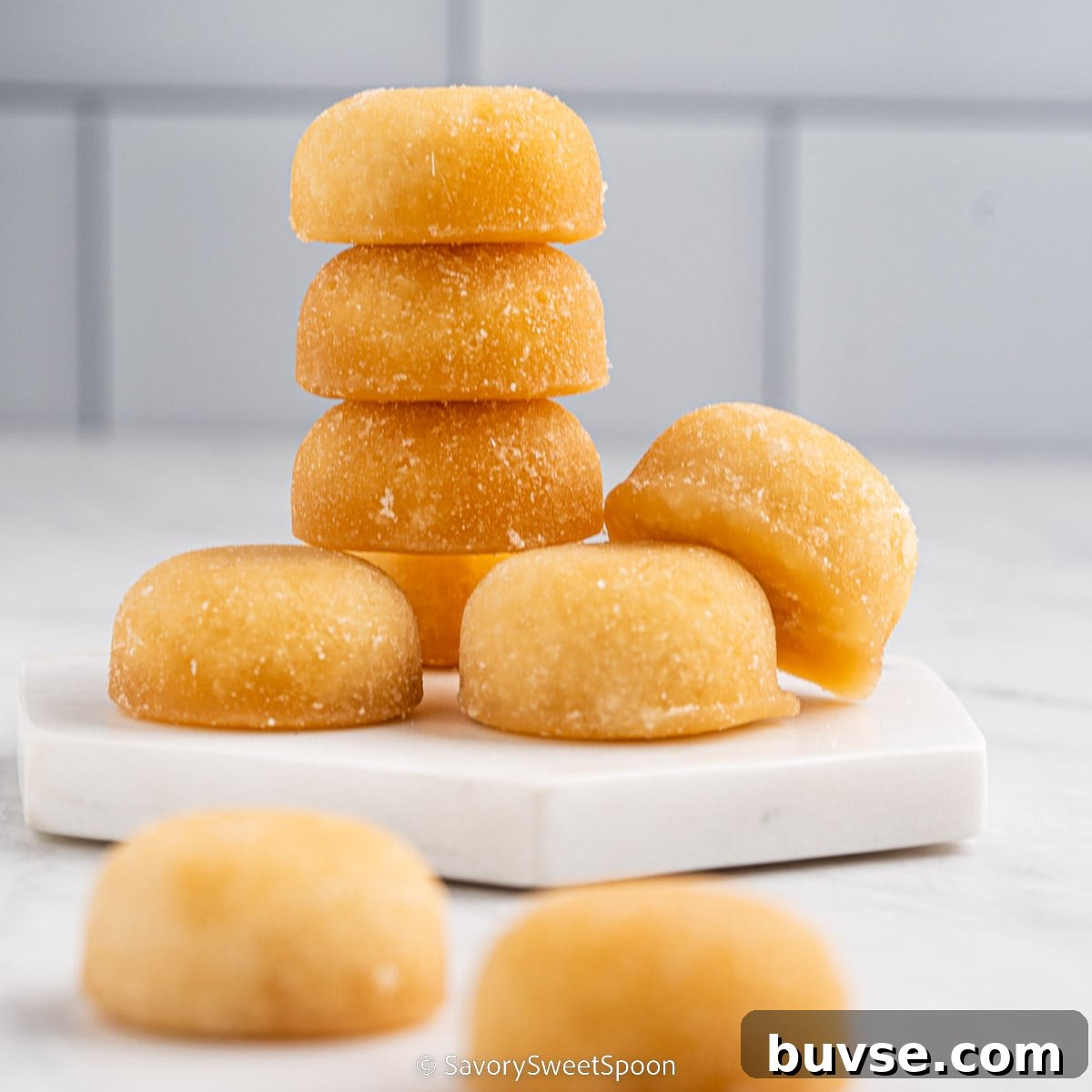
Ever been halfway through a recipe and realized you’re out of palm sugar? It happens to the best of us. Palm sugar is prized for its deep, caramel-like sweetness and slightly nutty undertones, and replacing it can change the character of a dish if you pick the wrong substitute. Below you’ll find clear, practical alternatives, tips for swapping them in, and where to look for palm sugar when you want the real thing.
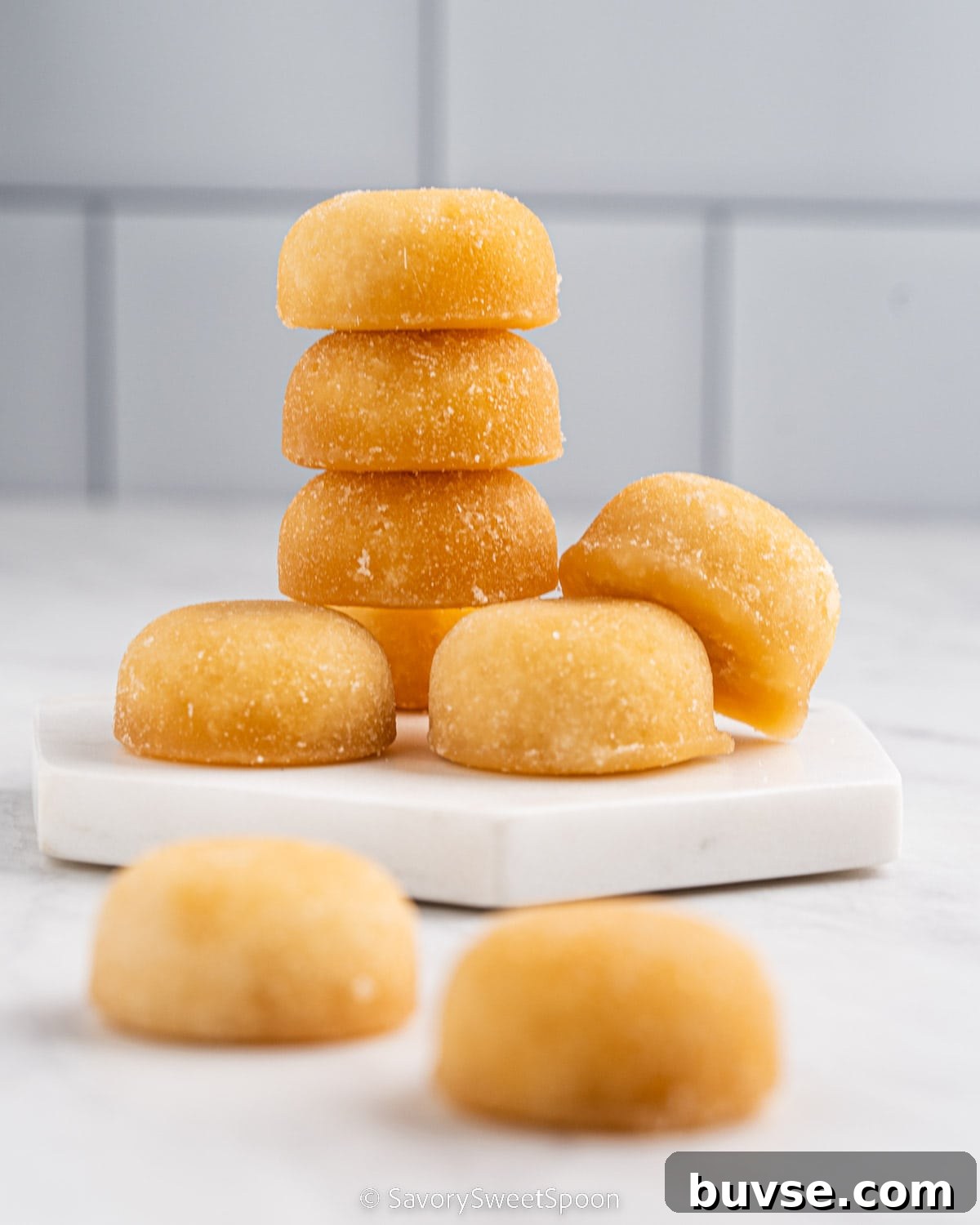
What is Palm Sugar?
Palm sugar is a natural sweetener made from the sap of certain palm trees. The sap is collected, reduced by boiling, and then either molded into blocks, granulated, or kept as a syrup. Its flavor is richer and more complex than refined white sugar, often described as caramel-like with hints of toffee or butterscotch. Because of that complexity, palm sugar is used in a wide range of Southeast Asian and South Asian dishes—from curries and sauces to marinades and traditional desserts such as cendol.
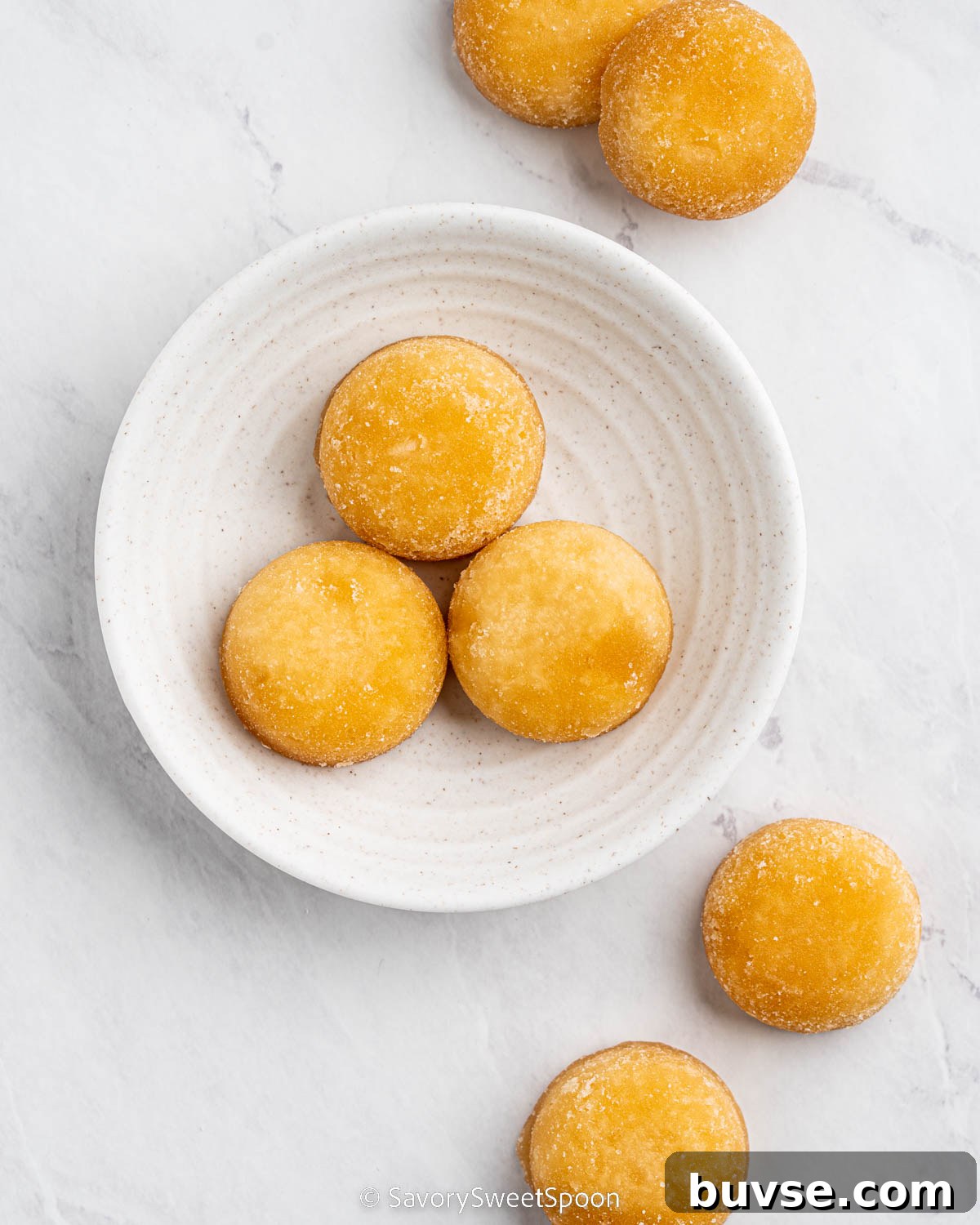
Forms vary: you’ll find hard cakes that can be grated, loose granules that measure like regular sugar, and liquid syrups that blend easily into drinks and dressings. The color ranges from light amber to deep brown, depending on processing and the palm species used. In many recipes, palm sugar contributes both sweetness and a subtle depth of flavor that helps balance salty, sour, and spicy elements.
Where can I find it?
- Asian grocery stores: These stores often carry palm sugar in blocks, grated form, or syrup. Look in the baking or sweetener aisles.
- International or ethnic food sections: Larger supermarkets with global food sections sometimes stock palm sugar, especially in areas with diverse culinary supplies.
- Specialty and health food stores: Shops focused on natural or unrefined sweeteners may offer palm sugar as an alternative to refined sugars.
- Online retailers: If you can’t find it locally, many online marketplaces and specialty food sites sell palm sugar in various formats. Check product descriptions for form and origin so you get the right type for your recipe.
6 Best Substitutes for Palm Sugar
1. Coconut Sugar
Coconut sugar is one of the closest matches in flavor and texture. It has a similar caramel-like profile and can generally be used in a 1:1 ratio when replacing palm sugar. Use it in baking, sauces, and marinades. Expect minor differences in moisture and browning depending on the recipe.
2. Maple Syrup
Maple syrup brings a distinct, rich sweetness with complex flavor notes. Because it’s a liquid, reduce other liquids in the recipe slightly when substituting. Maple works well in dressings, glazes, sauces, and some baked goods—adjust quantity to taste if you want the maple flavor to be subtle.
3. Brown Sugar
Dark brown sugar can mimic the molasses and caramel elements of palm sugar. Use it 1:1 in most recipes, especially in baking or sauces where the moisture content and crystalline structure of granulated sweeteners matter. If your recipe calls for block palm sugar, dissolve brown sugar in a little warm liquid before adding to ensure even incorporation.
4. Honey
Honey adds a floral sweetness and liquid texture. It works well in dressings, glazes, and some desserts, but it will introduce its own flavor profile. Reduce other liquids slightly and remember that honey browns faster during baking, so monitor oven times and temperatures.
5. Date Sugar
Date sugar, made from dried ground dates, provides a rich, fruity sweetness and a texture similar to granulated sugar. It’s a good 1:1 substitute for palm sugar in many recipes, particularly desserts and baked goods where its deeper fruity notes complement other flavors.
6. Agave Nectar
Agave nectar is a mild, syrupy sweetener with a subtle caramel tone. As a liquid, it’s best used in beverages, sauces, or dressings. When swapping agave for palm sugar, reduce other liquids slightly and taste as you go to balance sweetness without overpowering the dish.
When choosing a substitute, consider whether your recipe relies on palm sugar for texture as well as flavor. Dry substitutes like coconut sugar and brown sugar are easiest for baking, while liquid sweeteners work better in syrups, drinks, and dressings. Start with a 1:1 ratio for similar dry sweeteners, and adjust liquid amounts when using syrups or honey. Taste and tweak to match the depth and balance you want in the final dish.
With these options and a few small adjustments, you can successfully replicate the warmth and complexity of palm sugar even when it’s not available. Experiment to find which substitute best complements the flavors of your recipe.