This post is sponsored by Veetee Mega. As always, all views and recommendations are honest and my own.
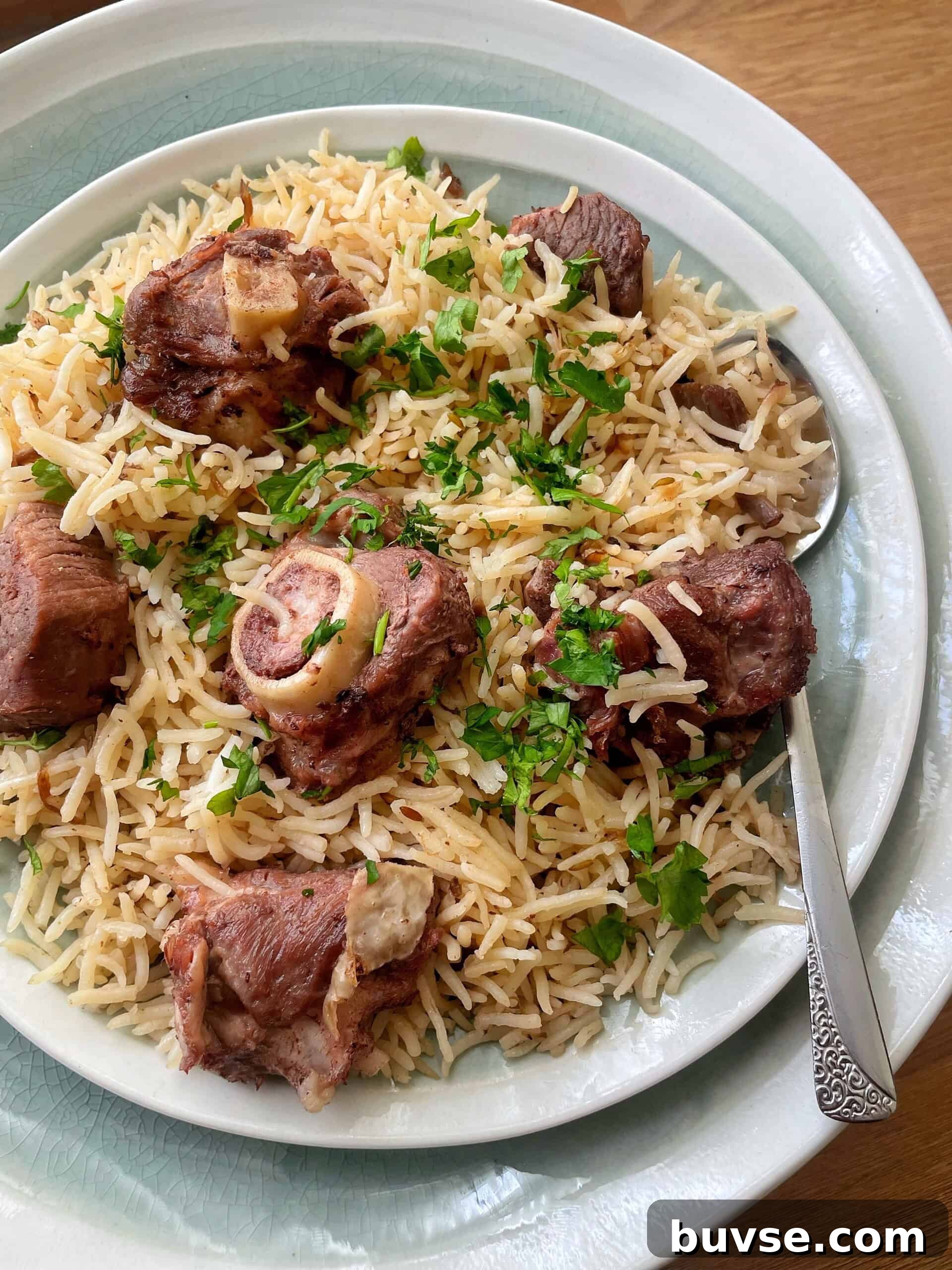
Is it even a Fatima Cooks dinner party if there’s no Yakhni Pulao on the table? My signature, no-fail, forever-favourite dish — a staple at family gatherings and celebrations. When Mutton Yakhni Pulao is on the menu, you know it’s going to be a special meal.
Making Yakhni Pulao is therapeutic for me — selecting whole spices, tucking them into a spice infuser, gently simmering the broth until the meat is tender, slowly frying thinly sliced onions to a perfect golden brown, and finally bringing everything together into one fragrant pot. Whether I’m preparing for a big dinner or a busy weekday evening, the process calms me and fills the kitchen with comforting aromas.
It’s not just comfort food to eat — it’s comfort in preparing, cooking and serving.
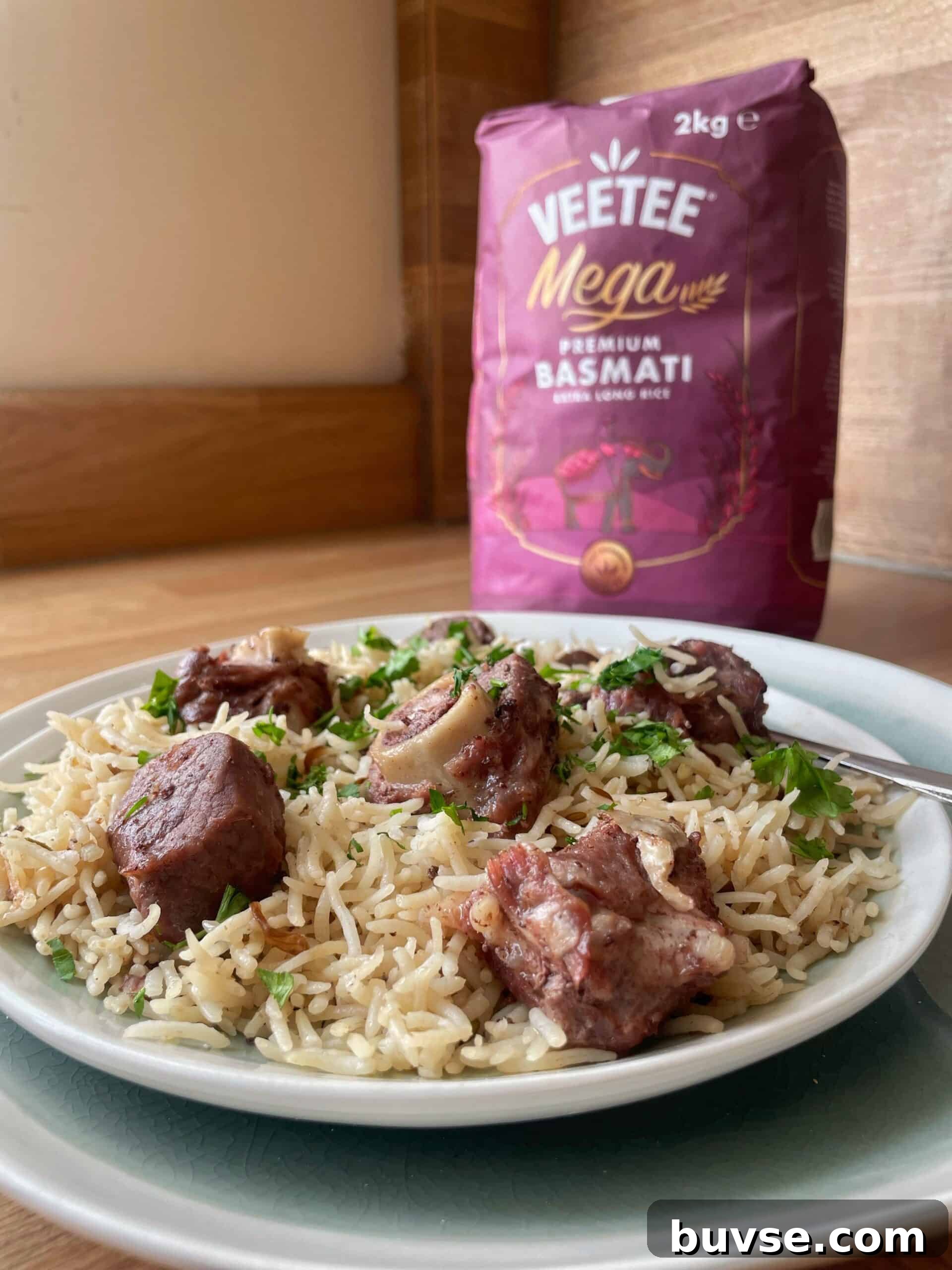
After years of refining this recipe, I’ve learned that the quality of basmati rice is the single most important factor for a soft, fragrant, and fluffy Yakhni Pulao. You can use the best spices and the best mutton, but subpar rice will make the whole dish fall flat. In my kitchen there are no compromises on rice — whether it’s a regular weeknight meal or an Eid dawat.
I’m hosting an Eid get-together this weekend, and it feels right to share my recipe and tips for perfect Yakhni Pulao — this will be the star of the table.
⭐ My ultimate tips for the best Yakhni Pulao
Select a premium extra-long grain basmati rice
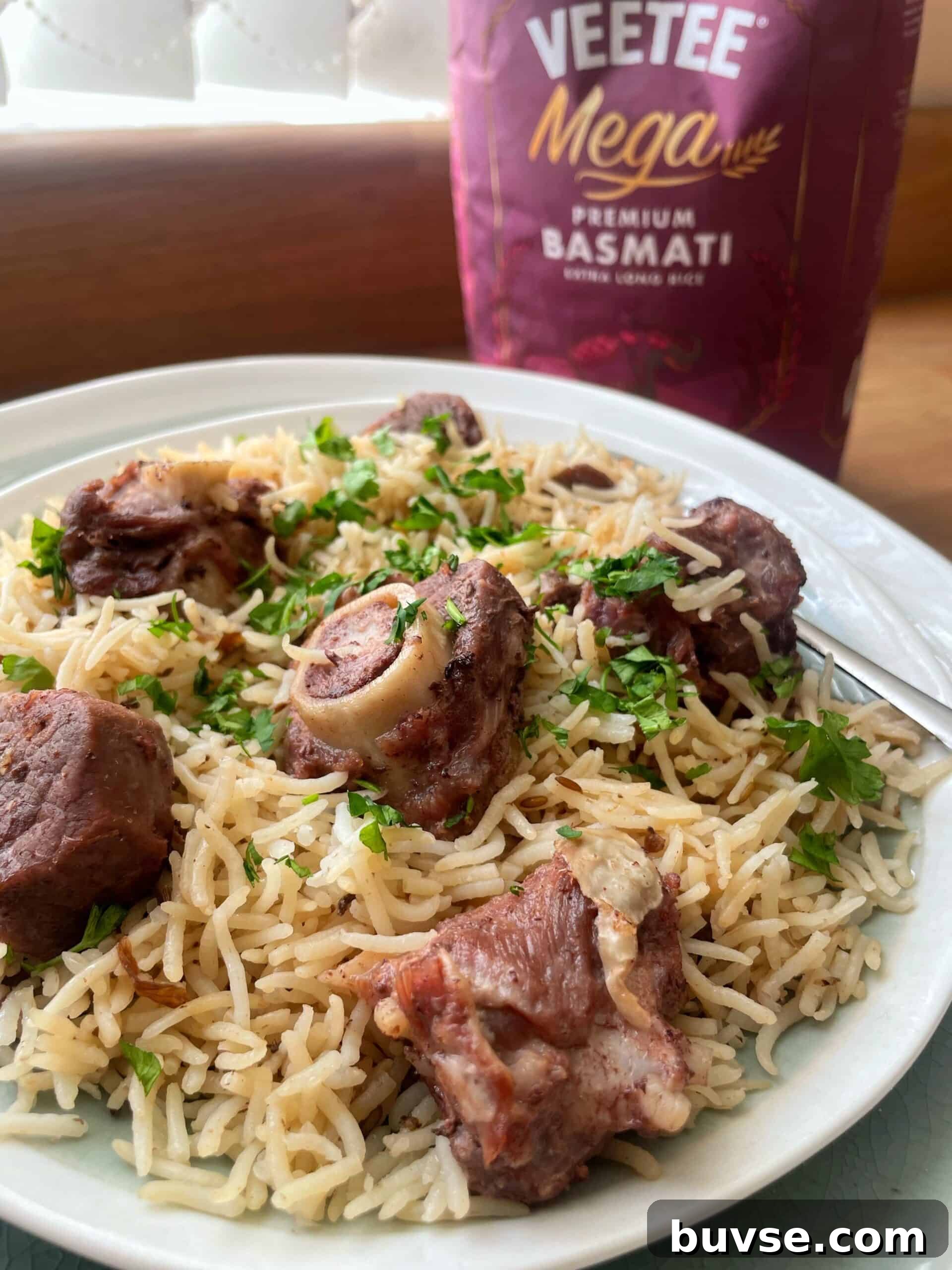
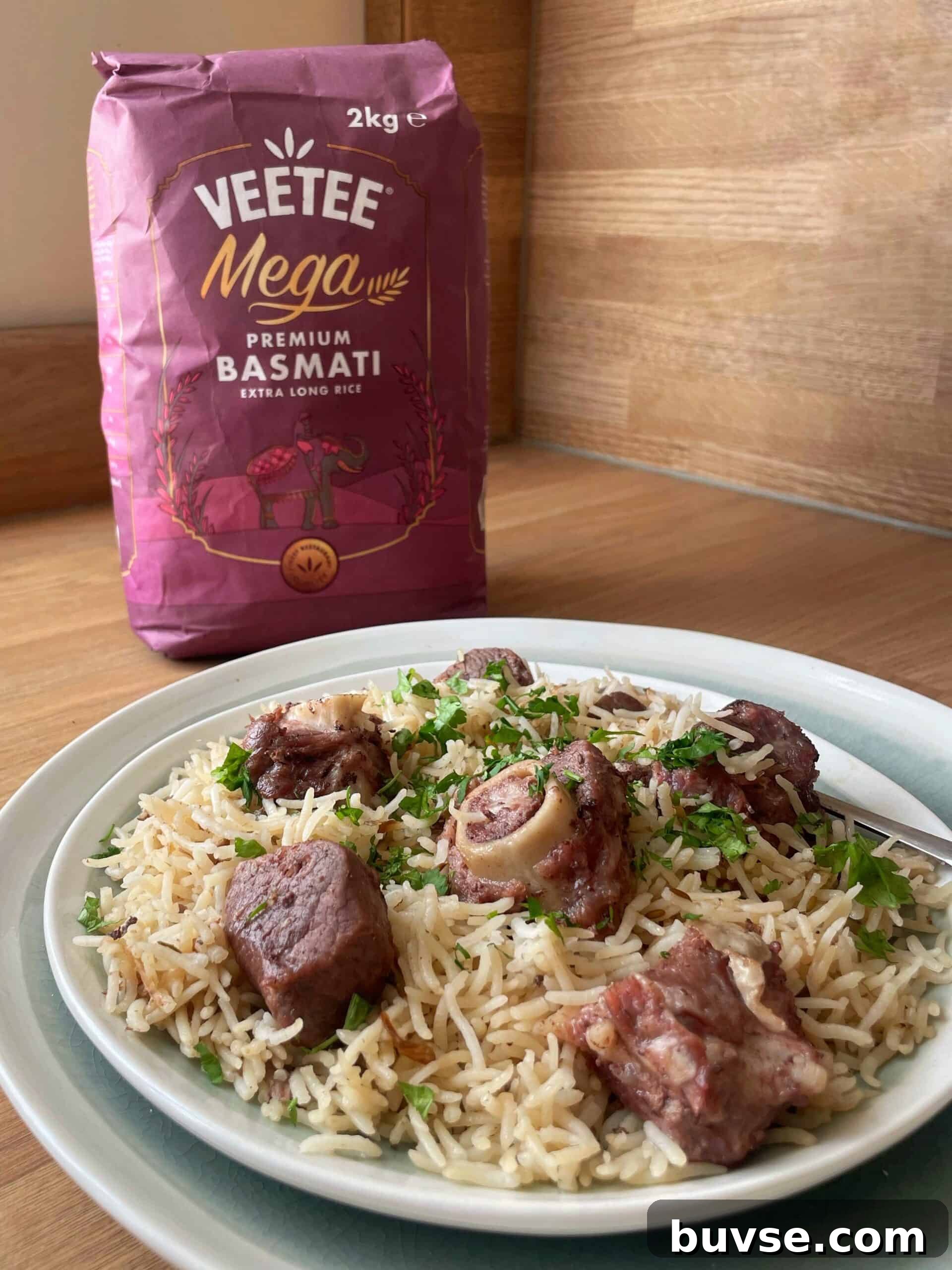
I believe strongly in using a premium basmati rice. A fragrant, long, extra-long grain basmati elevates the dish — every grain stays separate and fluffy, and the final platter looks and tastes celebratory. I use and recommend Veetee Mega Premium Extra Long Basmati Rice for reliably long, aromatic grains that give Yakhni Pulao the texture and lift it deserves.
Use whole spices rather than powdered
Whole spices are light and infuse flavor without weighing the rice down. Powdered spices can leave gritty specks and make the grains heavy. I use a spice infuser or a clean permeable cloth (a potli) to hold whole spices so they flavor the broth while remaining easy to remove.
Choose bone-in mutton
Yakhni is a broth-based pulao, and bone-in mutton produces a deeper, more mature broth. Bones release collagen, fat and the subtle savoury notes that build the dish’s soul. The resulting broth is richer and the meat is more flavourful than boneless cuts.
Pay attention to the onions
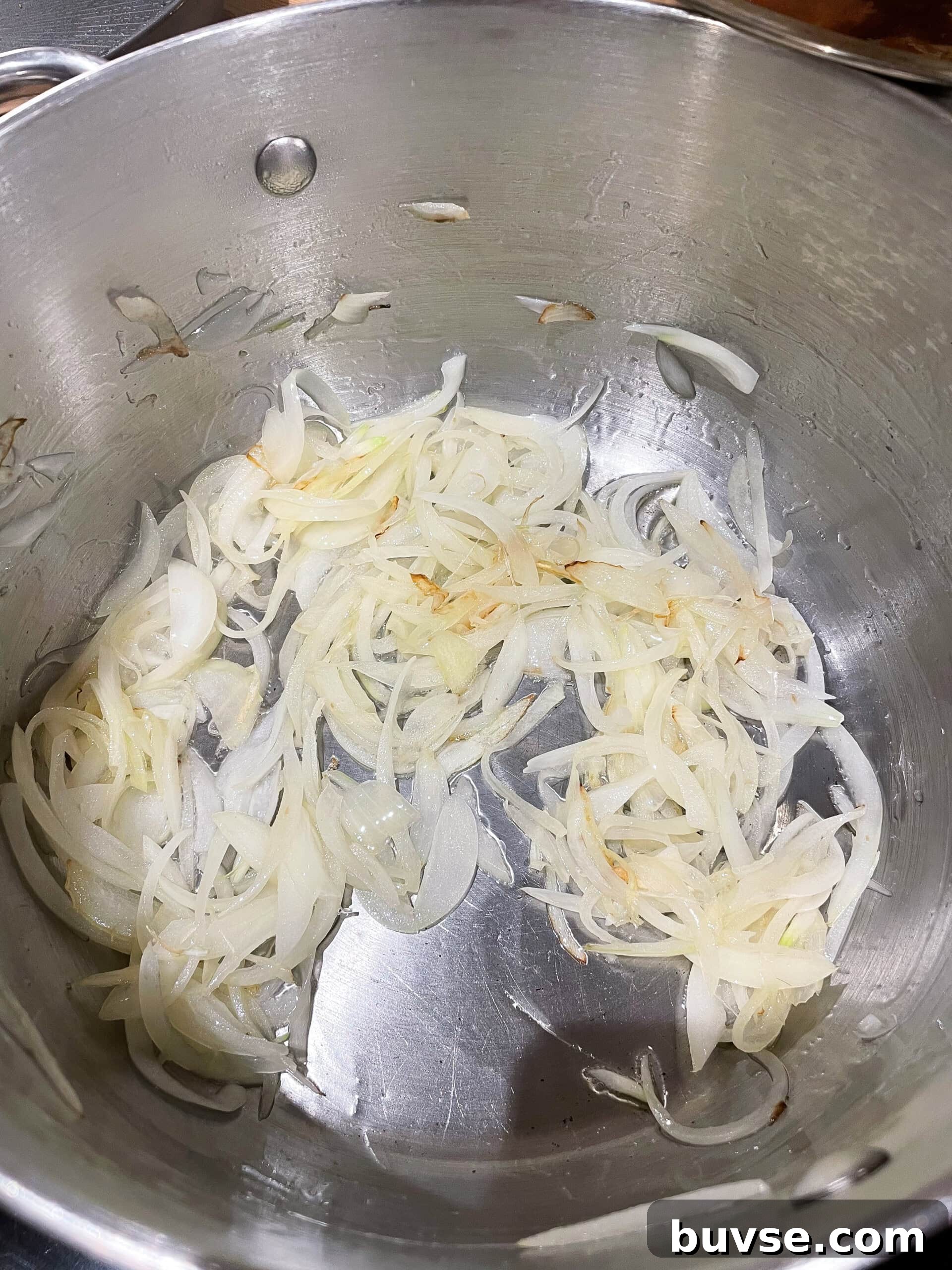
Onions control both color and flavour. Lightly fried onions will give you pale, uninspiring rice while over-burnt onions lead to bitterness. Aim for thin, even slices and fry slowly to a deep golden brown. These browned onions lend a warm hue and complex sweetness to the rice.
🥘 Method
Begin with the broth. In a deep pot place the bone-in mutton, whole spices (in an infuser or potli), garlic, green chillies (optional), salt and water. Bring to a rolling boil, then reduce to a low simmer and cook with a tight-fitting lid for about 1.5 hours, until the mutton is tender but still holding its shape. We want the meat soft, not falling off the bone.
While the broth simmers, wash the basmati rice under cold running water until it runs clear, using your hands to remove excess starch. Transfer the washed rice to a bowl, cover with cold water and soak for at least 30 minutes and up to 90 minutes. Drain before cooking.
When the broth is ready and the rice has soaked, heat oil or ghee in a separate pot. Add finely sliced onions and fry over medium-high heat, stirring frequently, until the onions turn a deep golden brown. If they begin to brown unevenly, reduce the heat and continue to cook slowly until evenly caramelized.
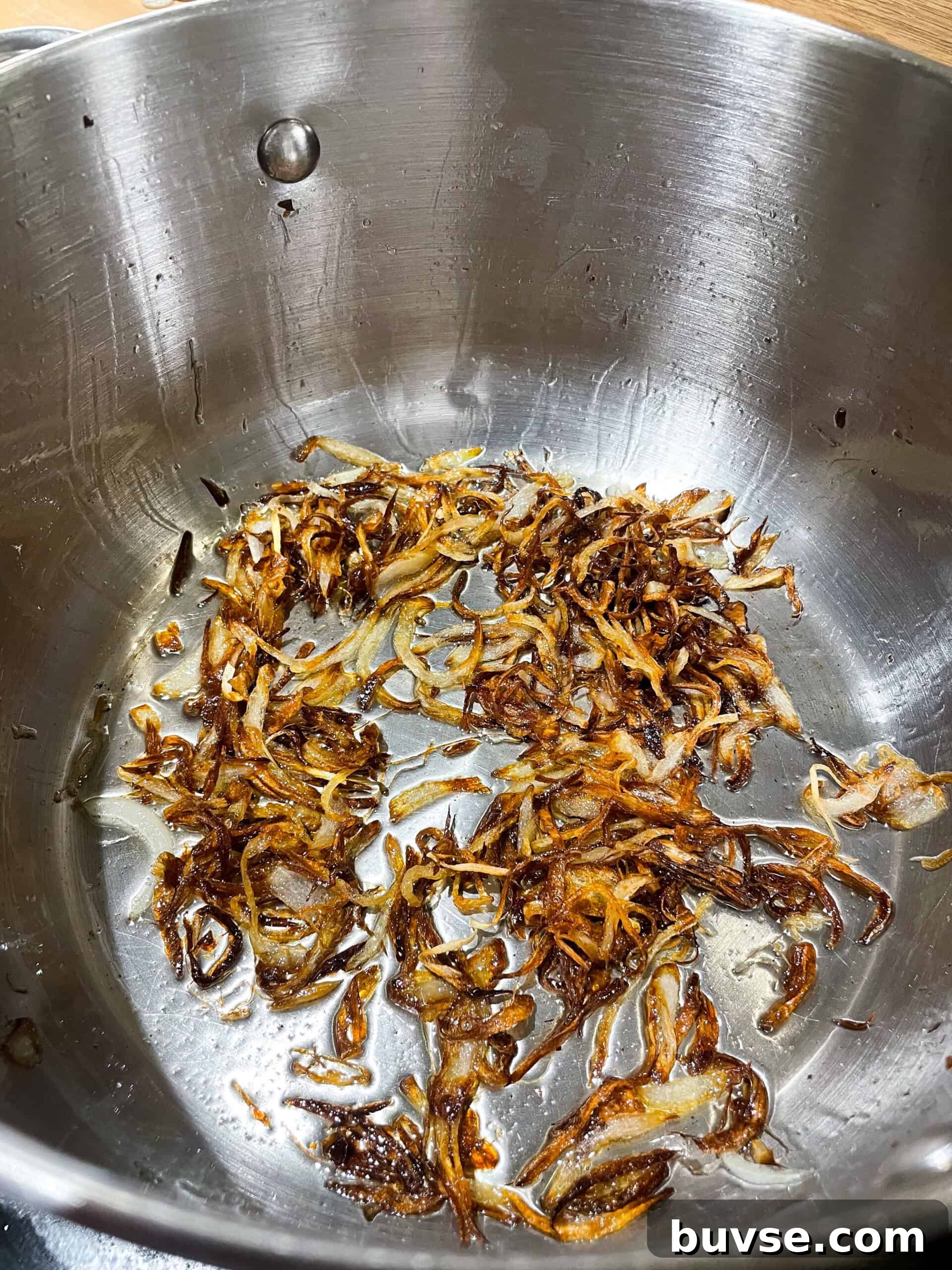
Remove the mutton from the broth with a slotted spoon and add the pieces to the frying onions. Sauté over a high heat until the meat develops some colour and the onions reach a deep golden brown. Add the cumin seeds for the last minute of frying to toast them lightly.
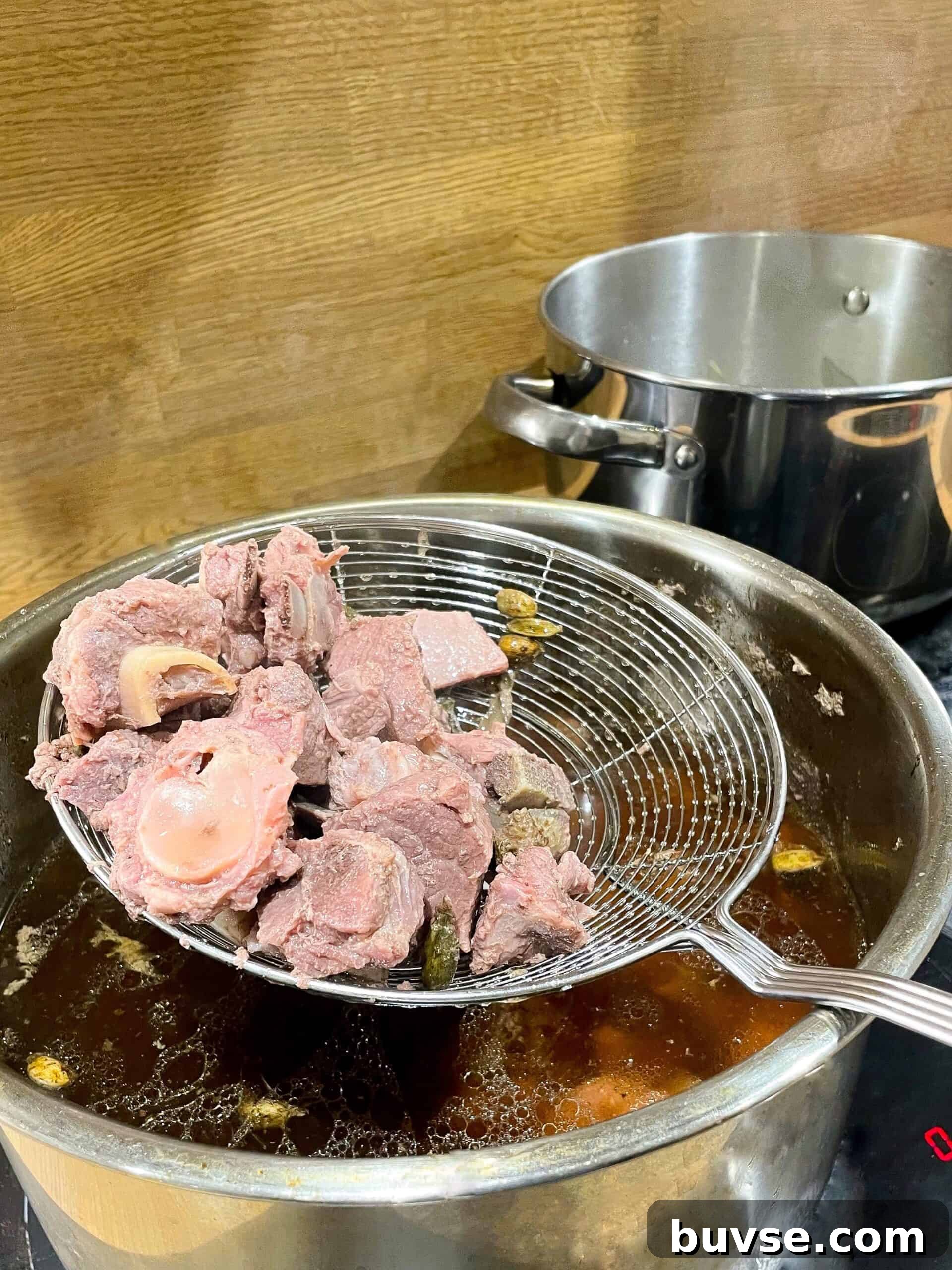
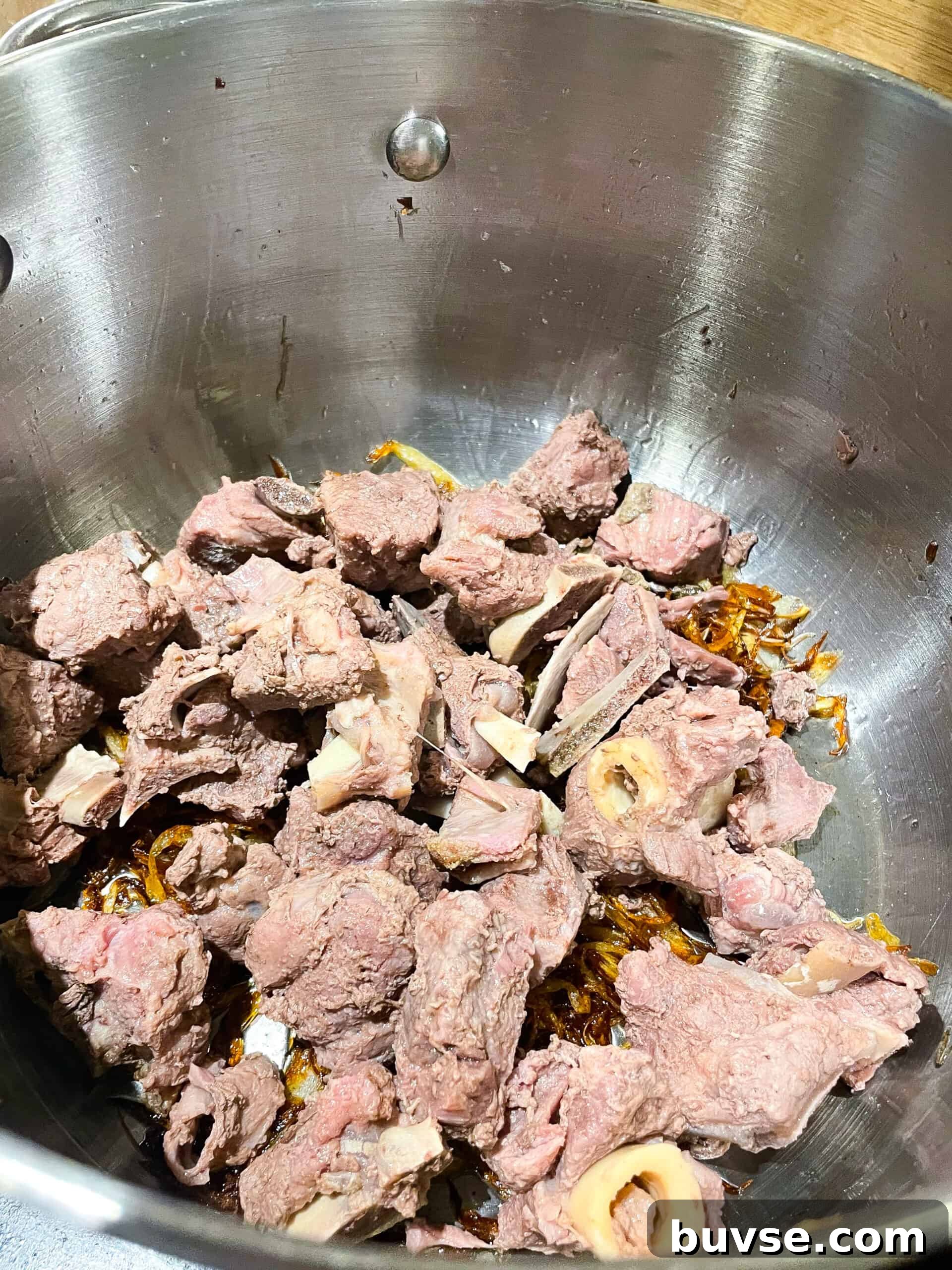
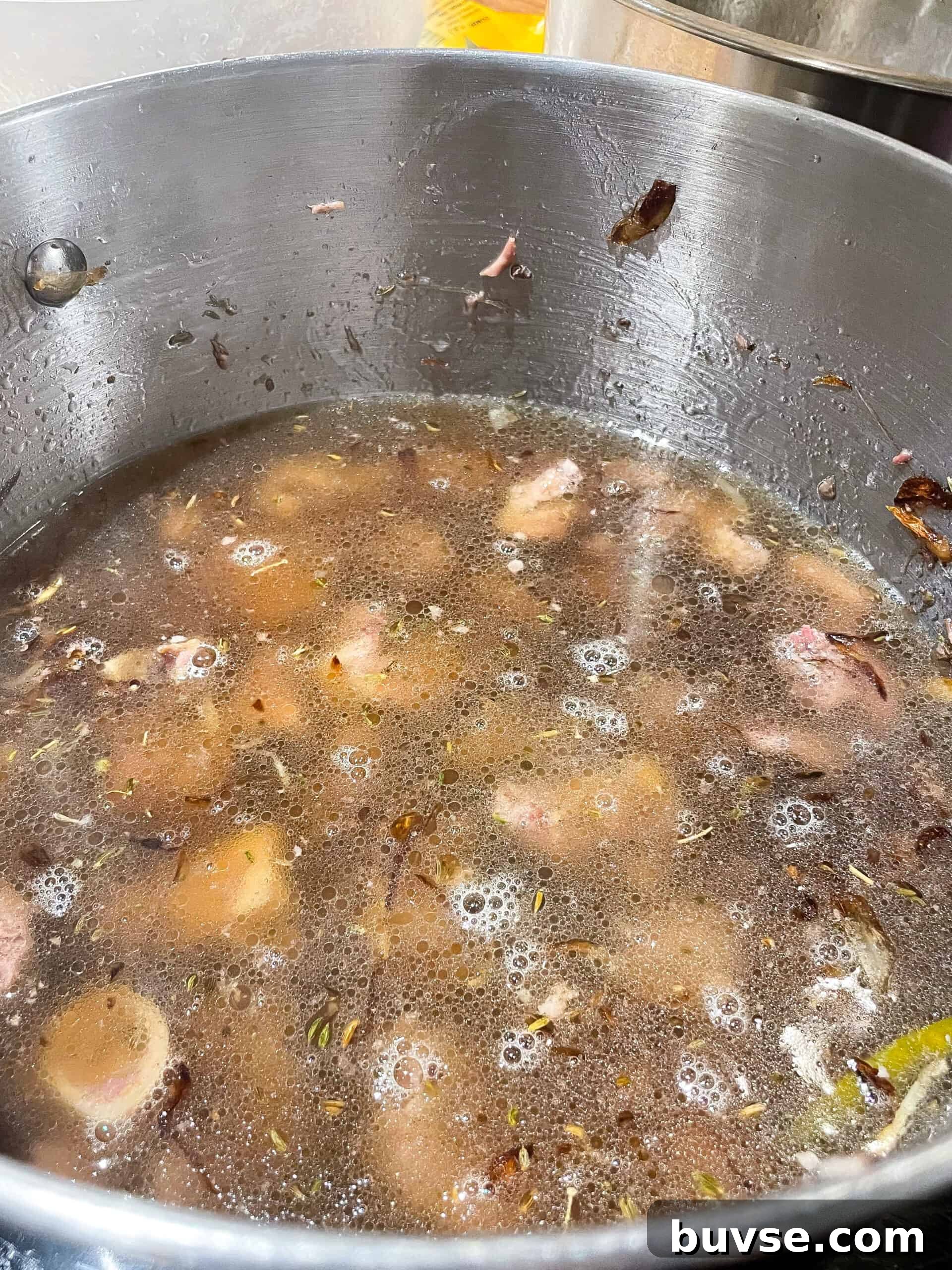
Measure 5 cups of the strained broth and add it to the pot with the meat and onions. If the garlic cloves in the broth haven’t broken down, mash them lightly and add them in along with green chillies if using. If you don’t have enough broth, top up with plain boiling water to reach the required liquid quantity.
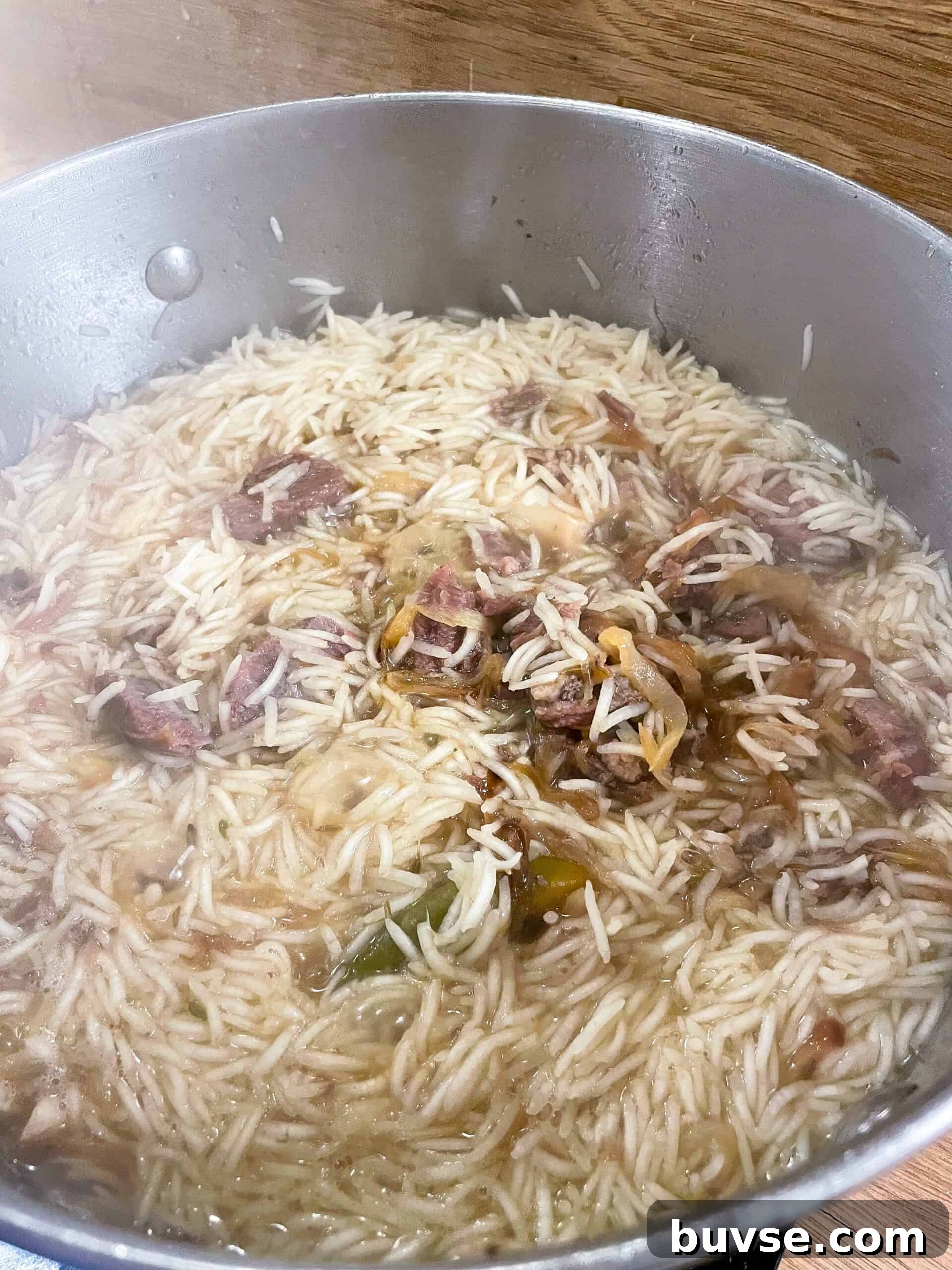
Bring to a rolling boil, then gently add the drained basmati rice. Cook over high heat, folding the rice carefully with a flat spatula rather than stirring aggressively — the goal is to keep grains intact and separate. Keep an eye on the pot and scrape the bottom occasionally so nothing sticks.
After 7–10 minutes most of the water should have evaporated and the rice should feel about 80% cooked — still slightly firm with a noticeable bite. If the grains are still raw, add ½ cup boiling water and continue cooking until they reach the described stage.
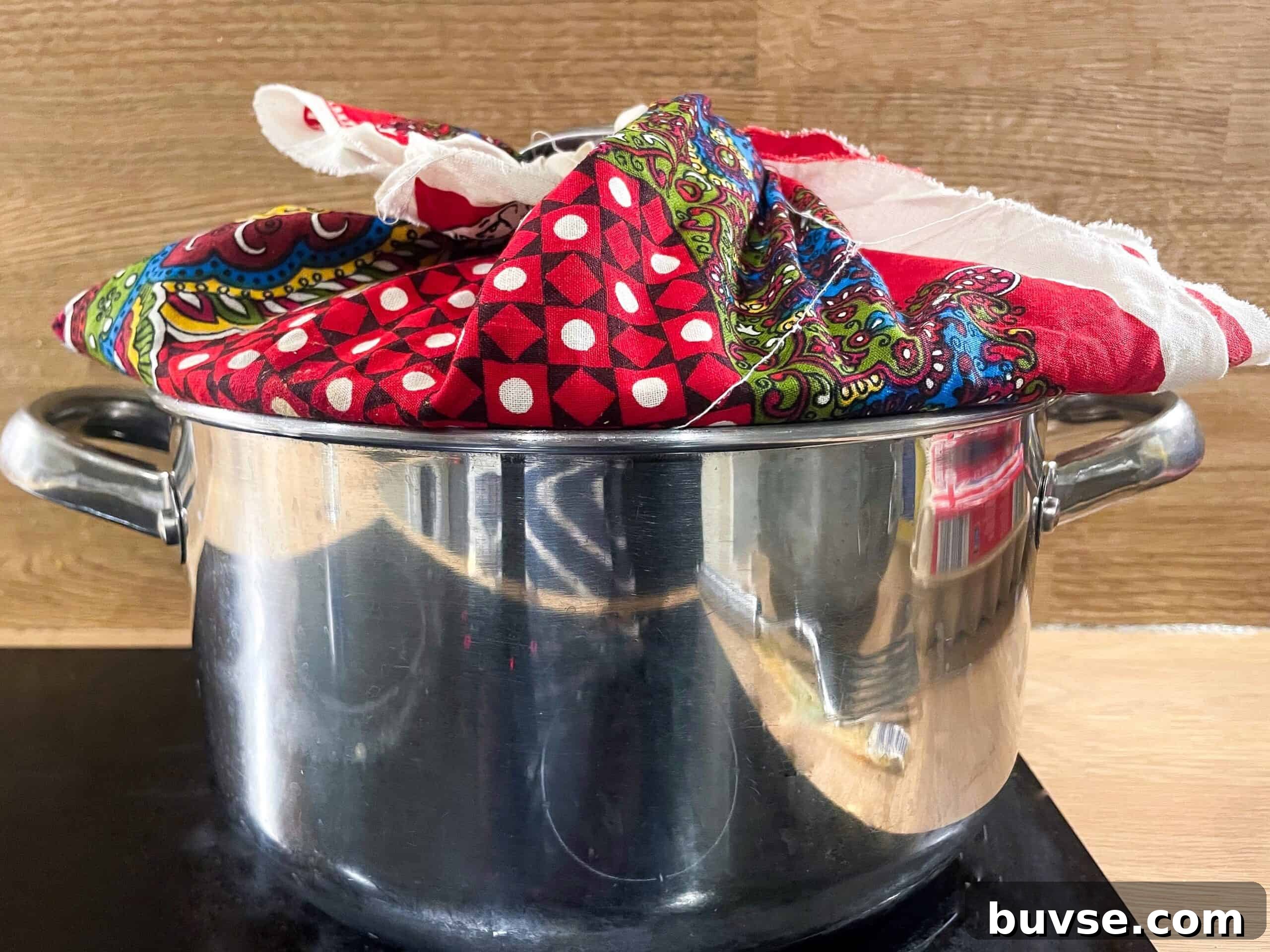
Reduce the heat to the lowest setting possible, place a tight-fitting lid on the pot (optionally lined with a clean tea towel) and steam for 15–30 minutes undisturbed. During this final steam the rice will absorb the remaining moisture, become fluffy and fragrant, and the mutton will reach perfect tenderness.
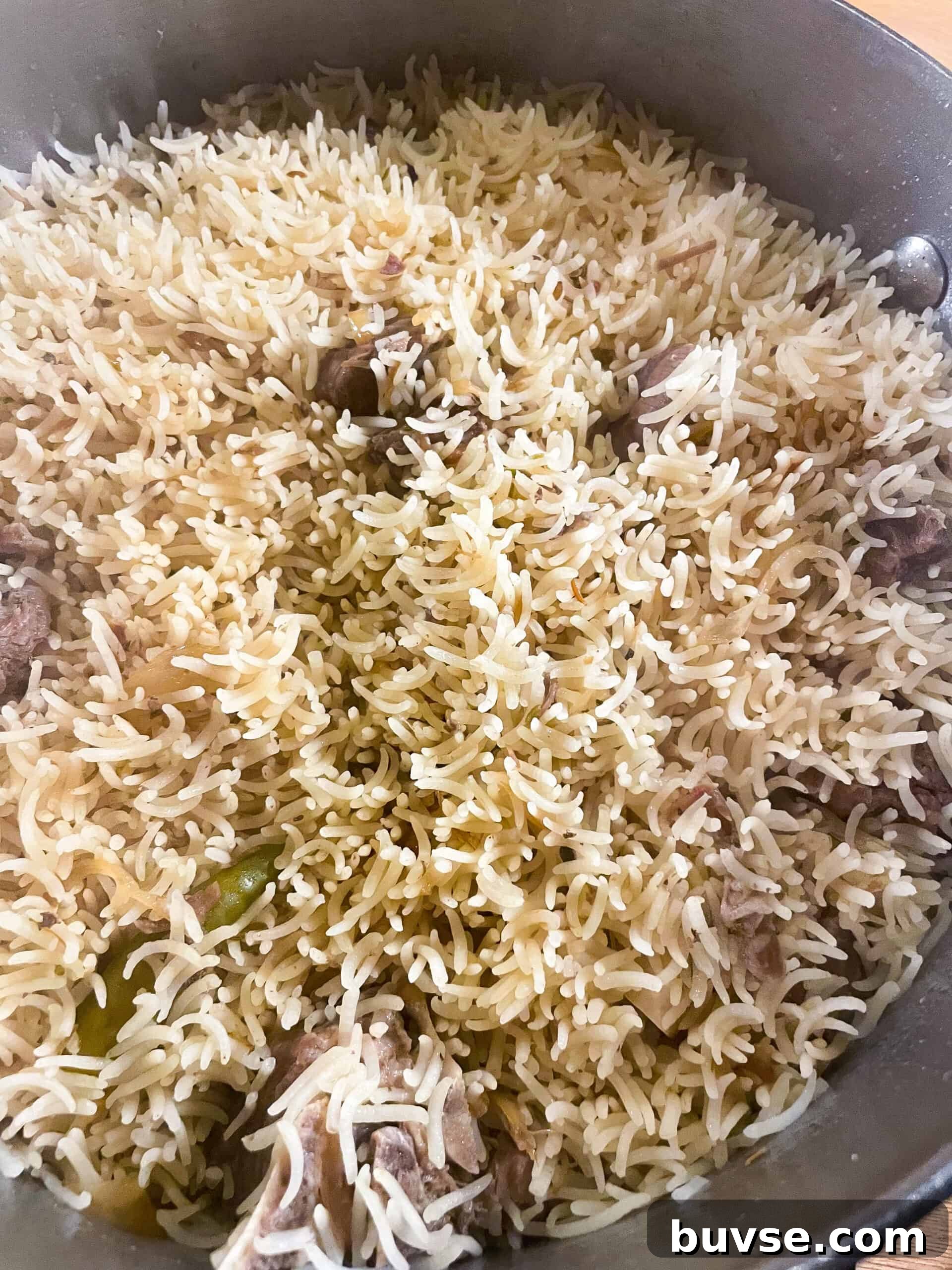
After steaming, remove the lid and immediately fluff the rice with a flat paddle or a small plate. Start from the edges and gently wiggle the rice to loosen it — this prevents bottom grains from becoming crushed or gummy. Fluff all the rice before serving, even if you’re not plating it immediately.
Serve Mutton Yakhni Pulao immediately for best texture and aroma. It pairs beautifully with a crisp salad, green chutney or cooling raita.
Whether it’s a grand celebration or everyday moments, a good quality basmati like Veetee Mega’s Premium Extra Long Basmati Rice brings authentic flavour and texture to the table. Celebrate tradition and create cherished memories with family and friends.
📋 Recipe
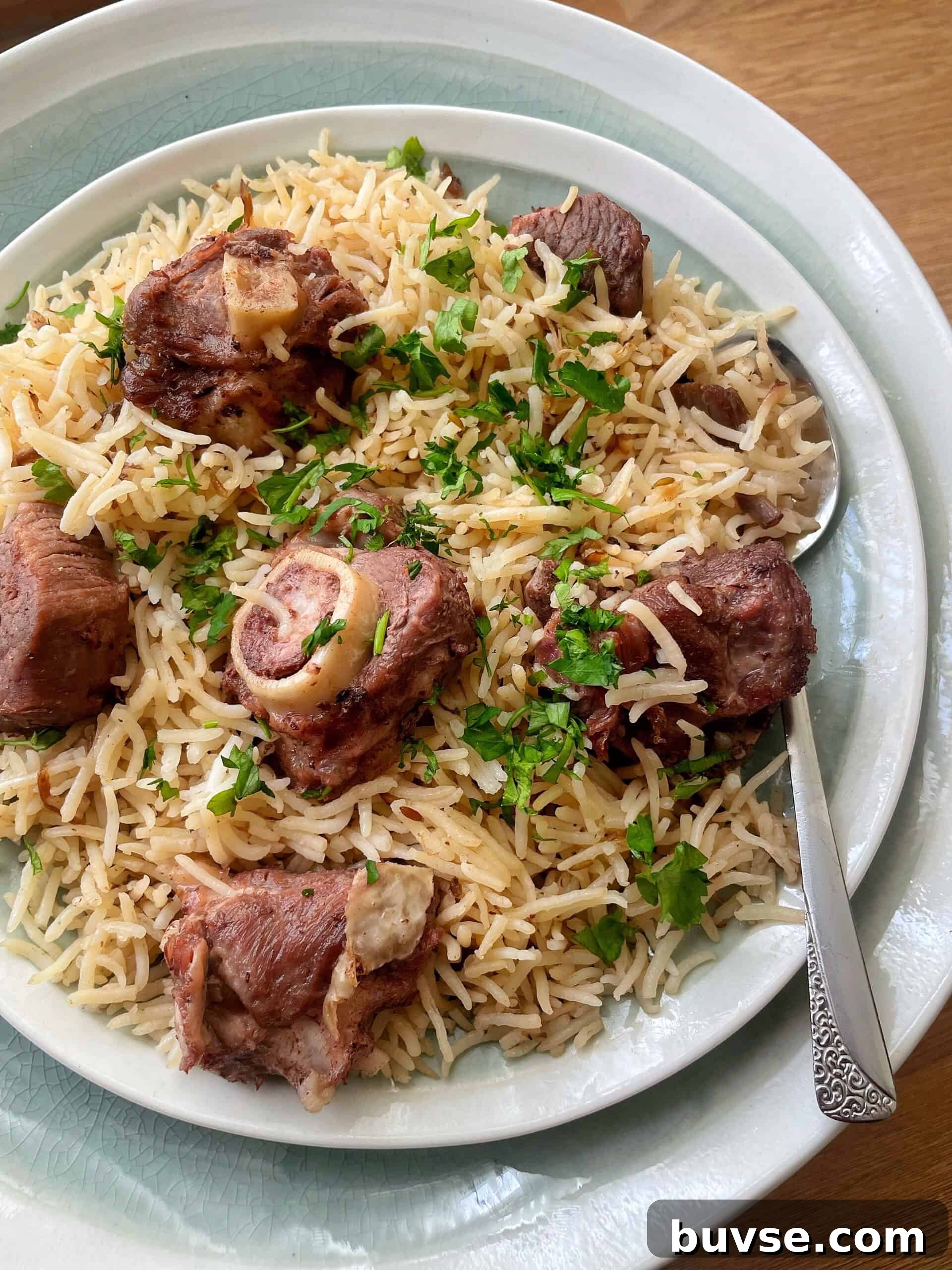
Mutton Yakhni Pulao
Ingredients
Whole spices for the broth
- 2 black cardamoms, whole
- 12 green cardamoms, whole
- 2 tablespoon coriander seeds, whole
- 2 tablespoon black peppercorns, whole
- 2 tablespoon cumin seeds, whole
- 6 cloves, whole
- 3 bay leaves, whole
- 1 large cinnamon stick
Other broth ingredients
- 3 fresh green chillies, whole (optional)
- 6 teaspoons salt, or to taste
- 2.2 lb (1 kg) mutton, bone-in
- 10 cloves garlic, whole (about 3 tsp minced garlic)
- 8 cups (2 L) water
Remaining ingredients
- 5 tablespoons (75 ml) oil or ghee
- 2.5 medium onions (about 275 g), sliced thin and even
- 1 tablespoon cumin seeds, whole
- 4 cups (800 g) long grain basmati rice, washed and soaked for up to 90 minutes (I recommend a premium extra-long basmati)
Instructions
- Place the whole spices for the broth into a spice infuser or a clean permeable cloth (potli). Put the mutton, garlic, green chillies (if using), salt, spice bundle and water into a deep pot. Bring to a boil, then cover and simmer over low heat for 1.5 hours or until mutton is tender but not falling off the bone.
- In a separate pot heat the oil or ghee over medium-high heat. Add the sliced onions and fry, stirring often, until they reach a deep golden brown. Reduce the heat if they brown too quickly.
- Strain the mutton from the broth. Add the mutton to the golden onions and sauté over high heat until the meat catches a golden colour and the onions become dark golden. Add the tablespoon of cumin seeds for the final minute and toast lightly.
- Add 5 cups of the prepared broth to the pot with the meat and onions. If the garlic cloves haven’t broken down, mash them and add them. Add green chillies if using. Top up with boiling water if you are short of broth.
- Bring to a rolling boil, then add the drained basmati rice. Continue cooking over high heat, folding the rice gently so the grains remain intact. Keep an eye on the pot and scrape the bottom occasionally. This stage usually takes 7–10 minutes.
- When most of the liquid has evaporated and the rice is about 80% cooked (firm with a bite), reduce the heat to the lowest setting. Cover the pot with a tight-fitting lid (optionally lined with a clean tea towel).
- Steam undisturbed for 15–30 minutes. Do not open the lid while steaming.
- Once steamed, remove the lid and immediately fluff the rice using a flat paddle or small plate, loosening the grains from the sides and bottom. Serve immediately for best texture.
Notes
- All cup measurements use a standard 250 ml cup.
- Liquid ratio: for every cup of rice use the same number of cups of broth plus 1 cup of liquid. Example: 2 cups rice = 3 cups broth; 10 cups rice = 11 cups broth.
- If you don’t have a spice infuser, add whole spices directly to the broth and strain them out before using the broth in step 4.
- After the broth is cooked you may discard the spices. If you used a small infuser and want extra aroma, you can add it to the pot with the rice for a stronger flavour.
📩 Want me to email this recipe to you?
Enter your email on the blog to receive the recipe and bonus Pakistani food content, new recipe alerts and exclusive email-only recipes.
By submitting your details on the blog you agree to receive emails. Opt-out any time.