Welcome to The Storied Recipe, a podcast and blog about food, culture, and the stories behind our favorite dishes.
This simple, classic Italian dessert—Zabaglione (also spelled Zabaione)—was contributed by Frances P from the Storied Recipe community. Her family recipe is an easy three-ingredient custard made from egg yolks, sugar, and a sweet wine. Frances shares that her husband lovingly whipped up this warm, nourishing treat for her after each of their five births, a small ritual of care she still remembers fondly.

Zabaglione is a light, frothy Italian custard traditionally made over gentle heat. Unlike milk-based custards, this version is dairy-free unless you choose to fold in whipped cream. It can be served plain, poured over fresh berries or cake, used as a filling for tarts, or adapted into many flavored variations. The recipe below presents the classic, straightforward approach so you can enjoy authentic Zabaglione at home in about 20 minutes.

Ingredients
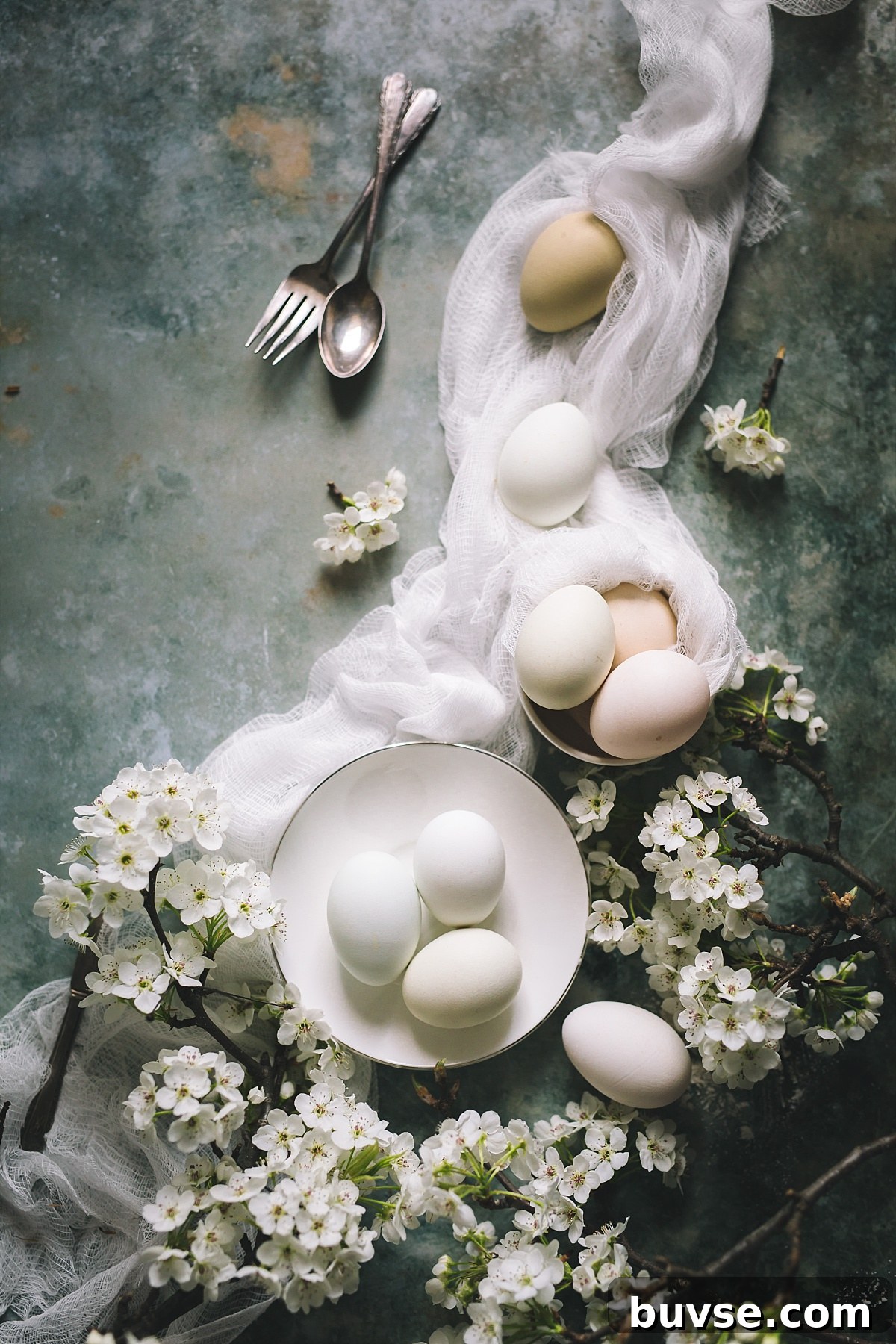
You only need a handful of pantry staples to make this Italian Zabaglione. Use the freshest eggs you can find for the best texture.
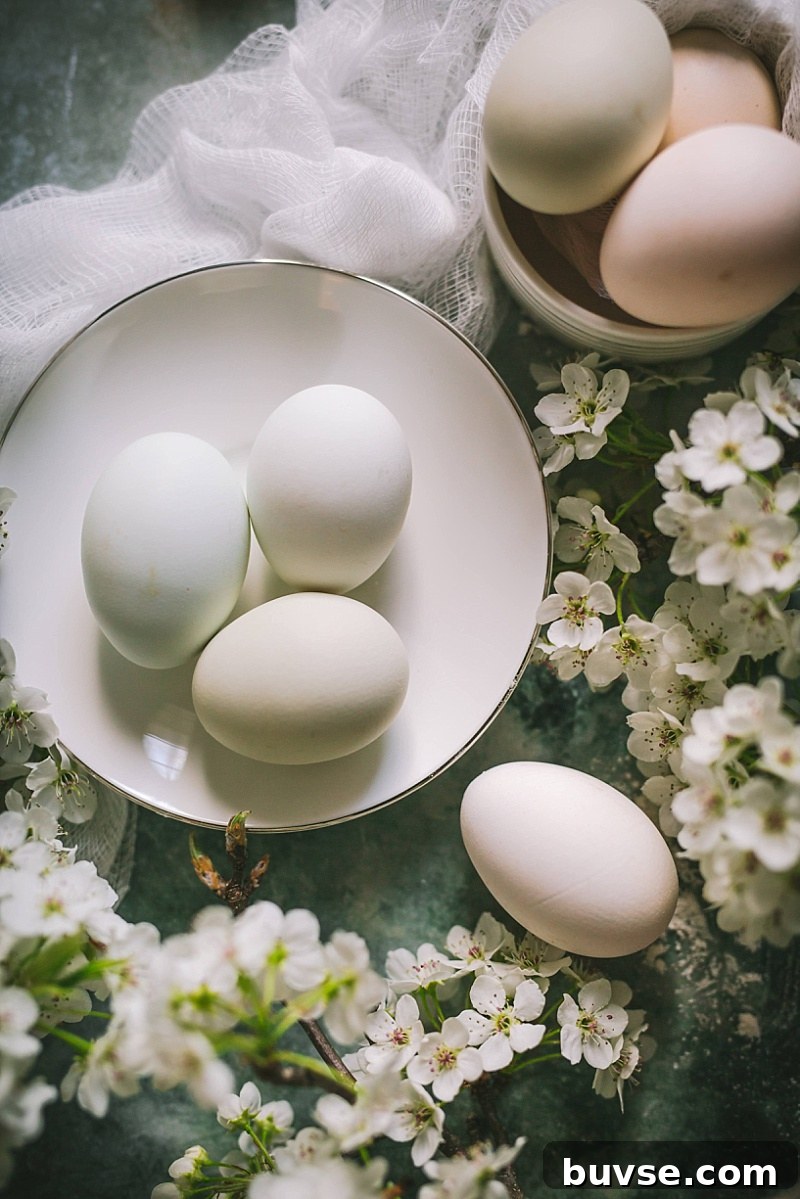
- Egg yolks – Fresh yolks are ideal. They create a rich, silky texture and better froth.
- Sugar – Granulated sugar works well; superfine (caster) sugar is traditional but not necessary.
- Sweet wine or sparkling wine – Marsala and Moscato d’Asti are classic choices, but you can use other dessert wines, liqueurs, or even strong coffee or espresso for an alcohol-free variation.
Proportions (Egg yolks : Sugar : Liquid)
- Frances’s version uses 5 egg yolks, 1/2 cup sugar, and 1/3 cup sweet wine or champagne.
- A commonly cited proportion is roughly 1:1:1 by volume when measured using an eggshell or by weight. If using cups, a practical rule of thumb can be 4 yolks : 1/4 cup sugar : 1/4 cup liquid as a smaller batch guide.
What to do with leftover egg whites
- Extra egg whites can be used to make meringues, angel food cake, macarons, marshmallows, or pavlova. They freeze well if you want to save them for later baking.
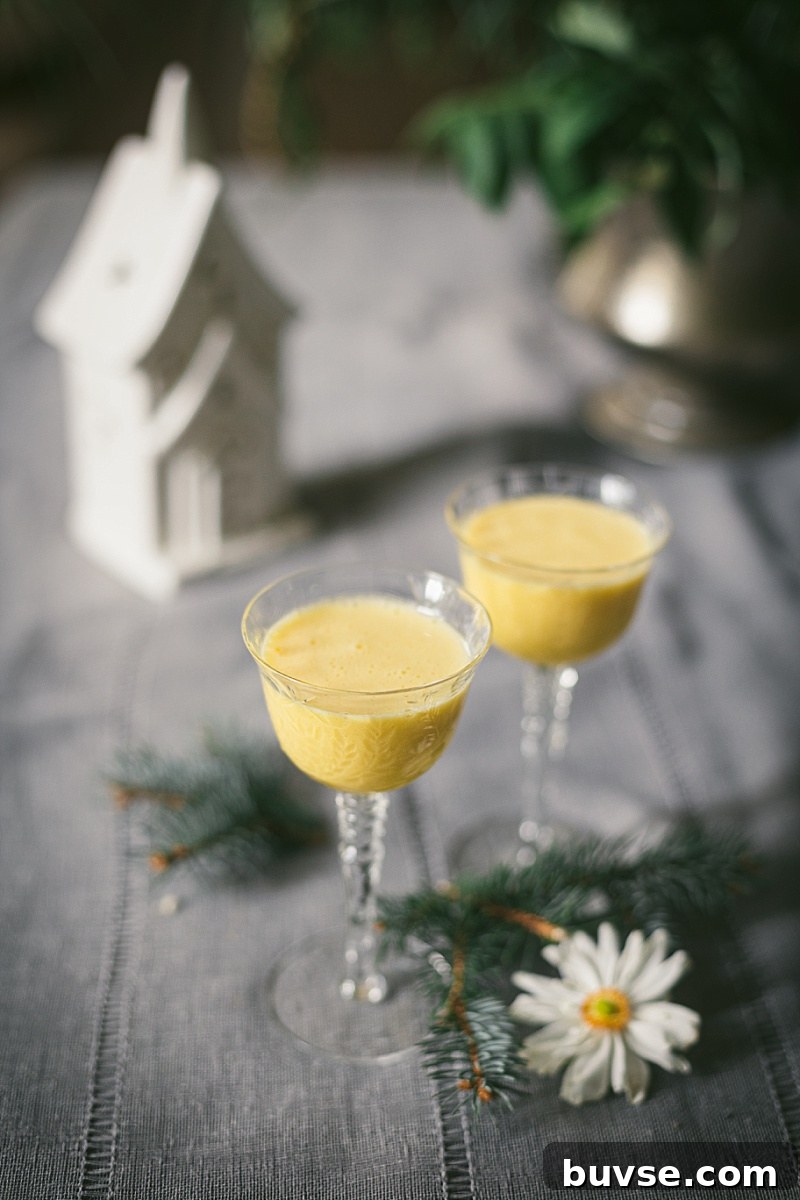
A Note on Nutrition and Tradition
“I am the proud mother of five children. After each birth, my husband would whisk up a Zabaglione to ‘fortify’ me. This treat, full of protein and flavor, was made for me daily for about a week. I have made it many times at home but enjoy it most when it’s served to me—it reminds me of the care I received.”
— Frances P, The Storied Recipe Community
Egg yolks are nutrient-dense and provide high-quality protein, choline for brain and liver health, fat-soluble vitamins (A, D, E), and antioxidants such as lutein and zeaxanthin. For nursing mothers, children, or anyone needing extra calories and nutrients, a warm Zabaglione can be an indulgent, nourishing option when prepared safely.
Instructions
“Be careful not to cook the custard too long over simmering water or you’ll end up with sweet scrambled eggs.”
— Frances P
These steps will help you achieve a smooth, frothy Zabaglione:
- Bring a small pot of water to a gentle simmer. The water level should not touch the bottom of the bowl placed on top.
- In a smooth, heatproof bowl, whisk together the egg yolks and sugar until combined and slightly pale.
- Slowly add the wine or other liquid while whisking to incorporate.
- Set the bowl over the simmering water to form a double boiler (bain-marie). Keep the heat low—never let the water boil vigorously.
- Whisk constantly and vigorously in an up-and-over motion to aerate the mixture. Continue until the mixture doubles in volume and becomes thick and custard-like, about 8–10 minutes.
- If the mixture begins to curdle or get too hot, remove it from the heat and whisk until it cools slightly, then return briefly if needed.
- Serve warm in small cups or immediately over fruit, cake, or cookies.
Top Tips
- Prepare all ingredients and tools before you begin—continuous whisking is essential.
- Use a smooth-bottomed metal or glass bowl so the custard heats evenly and nothing gets trapped in grooves.
- Maintain a gentle simmer; strong heat will cook the eggs too quickly.
- If you want a creamier finish, fold in a little softly whipped cream once the Zabaglione has cooled slightly.
Variations and Serving Ideas
Zabaglione is versatile. Try one of these serving ideas:
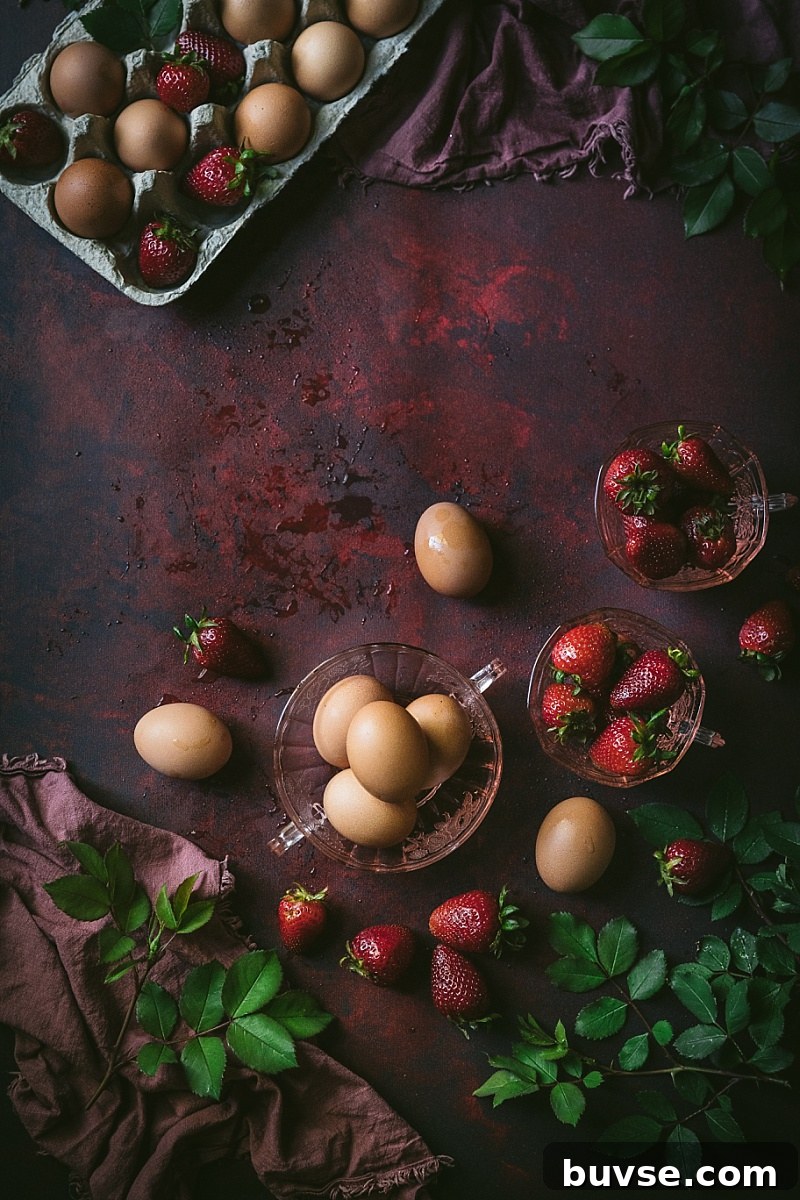
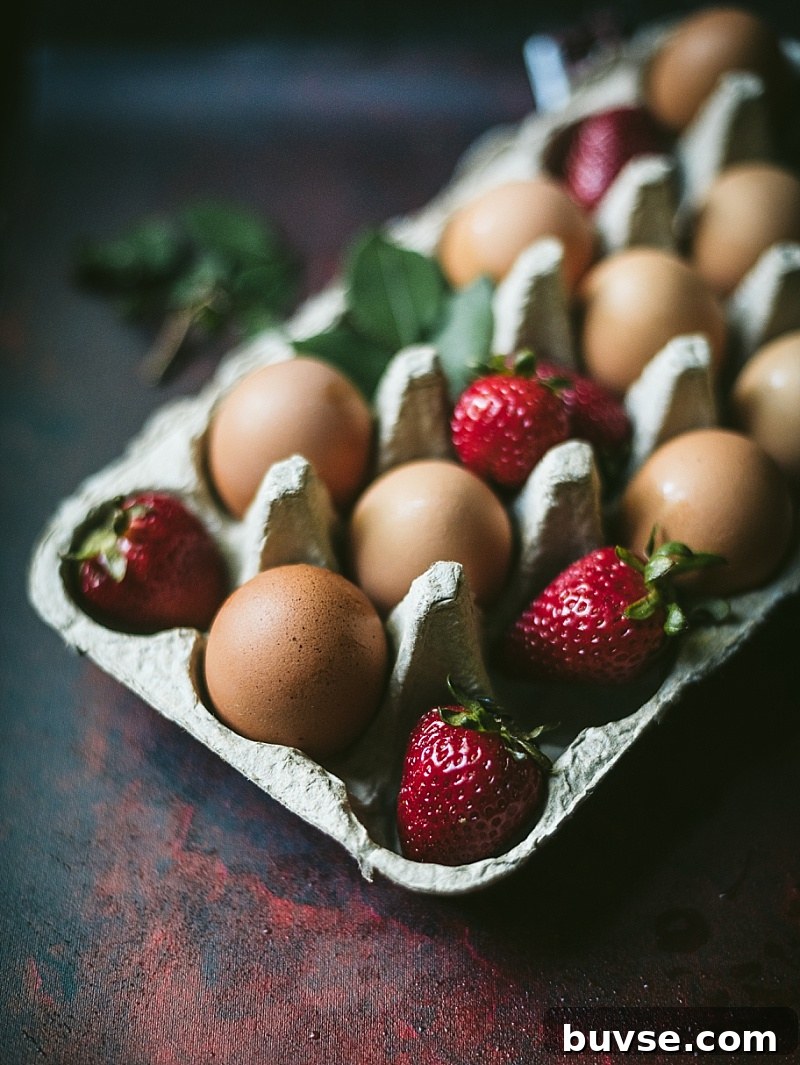
- Over fresh berries: Warm Zabaglione over strawberries, raspberries, or blueberries.
- With bananas: Sliced bananas, Zabaglione, a dollop of whipped cream, and a crisp cookie make an elegant cup dessert.
- Espresso Zabaglione: Replace wine with strong coffee or espresso for a coffee-flavored sabayon.
- Chocolate Zabaglione: Fold in melted chocolate or serve with chocolate shavings.
- Citrus twist: Use Limoncello and finish with citrus zest for a bright flavor.
- Savory options: Reduce the sugar and add grated Parmesan for a warm savory sabayon served over vegetables or seafood.
Food Safety
When preparing egg-based sauces, safety matters. The custard should reach at least 140°F (60°C) for several minutes as it thickens, which reduces the risk of Salmonella. After cooking, cool leftovers promptly and refrigerate. Consume within a day or two and re-whisk briefly before serving. Do not freeze Zabaglione; alcohol and texture changes make it unsuitable for freezing.
Equipment
- Heatproof mixing bowl (metal or glass)
- Small saucepan for simmering water (bain-marie)
- Whisk or electric hand mixer
- Candy thermometer (optional) to monitor temperature
- Small cups or dessert dishes for serving

Storage
- Best served fresh. If refrigerated, Zabaglione can keep for up to 48 hours; re-whisk before serving.
- Because alcohol inhibits freezing, do not freeze Zabaglione—thawing will compromise texture and flavor.
FAQ
- Is Zabaglione a custard? It behaves like a custard but is technically a dairy-free emulsion often called a caudle or sabayon.
- How does it compare to eggnog? Eggnog uses milk or cream and is generally richer; Zabaglione is lighter and based on yolks and wine.
- Sabayon vs. Zabaglione? Sabayon is the French term for a similar preparation. The techniques and outcomes are closely related, with regional variations.
- How do you pronounce it? Zabaione (Italian pronunciation: zabaˈjoːne). In English you might hear “zab-uh-LYOH-nay” or similar forms.
About Frances

Frances married into a traditional Italian family and learned many recipes and customs firsthand. She still enjoys this comforting Zabaglione with a cappuccino or after a festive meal.
Recipe (Classic Zabaglione)
- 5 egg yolks
- 1/2 cup granulated sugar
- 1/3 cup sweet wine or champagne (or substitute espresso for a non-alcohol version)
Whisk yolks and sugar until combined, add liquid while whisking, then cook over a simmering water bath, whisking constantly until thick and doubled in volume, about 8–10 minutes. Serve warm.
Enjoy this elegant, easy Zabaglione as a simple dessert, a sauce for fruit and cakes, or a special homemade treat shared with family and friends.