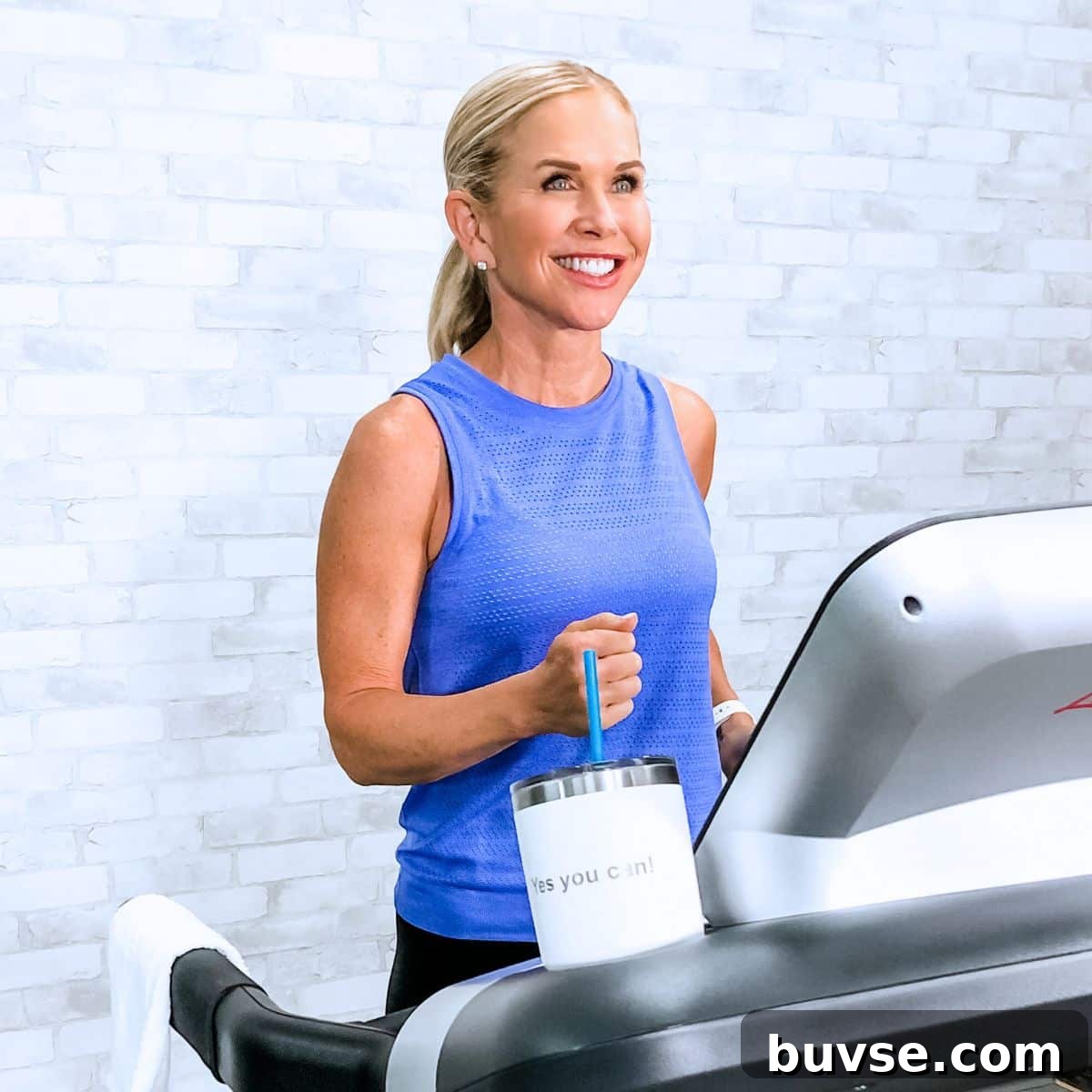
Incline walking offers middle-aged women an efficient, low-impact way to improve heart health, strengthen bones, burn calories, boost mood, and reduce stress—while fitting easily into a busy schedule.
I’m an avid walker and used to be a runner, but over time I traded high-impact running for something kinder to my joints. I still missed the challenge and the “runner’s high,” which led me to incline walking. It delivers that satisfying increase in effort and heart rate without the pounding that can aggravate hips, knees, or backs.
Adding incline—on a treadmill, outdoor hills, or stairs—turns an ordinary walk into a powerful workout. It’s an accessible way to build strength, improve cardiovascular fitness, and lift your spirits, all while being gentle on joints.
Physical Benefits of Incline Walking for Women Over 50
Introducing incline walking to your routine is a simple upgrade that yields wide-ranging benefits. Below are the main ways it can support fitness and well-being for women in midlife and beyond.
1. Low-Impact Exercise for Joint Health
Incline walking provides a joint-friendly workout that reduces repetitive impact while strengthening the muscles around the knees and hips. Stronger muscles add stability and support, helping to prevent injury and improve mobility as we age.
2. Strengthens Bones and Supports Bone Health
Walking uphill introduces greater mechanical load than flat walking, which can help maintain or improve bone density over time. This increased resistance works the bones in the legs and hips in a way similar to weight-bearing exercise, supporting long-term skeletal health.
3. Improves Cardiovascular Health
Incline walking elevates heart rate and challenges the cardiovascular system without the joint stress of running. Short bursts of steeper incline mimic interval training, raising your heart rate for brief periods and then allowing recovery—an effective way to build stamina and heart health.
4. Boosts Mood and Reduces Stress
Tackling hills or a challenging incline often brings a strong sense of accomplishment. Incline walking stimulates endorphin release, which can reduce stress, clear your mind, and improve overall mood.
5. Calorie-Burning Powerhouse
Walking on an incline significantly increases calorie burn compared with flat walking because it requires more muscular effort and raises your heart rate. As the incline increases, so does energy expenditure, making incline walks an efficient way to maximize results in less time.
6. Builds Muscle Strength and Tone
Uphill walking targets the glutes, hamstrings, calves, and core more than flat walking. These muscles work harder to propel you upward, which helps build lean muscle mass, improve tone, and modestly boost resting metabolism.
7. Improves Balance and Coordination
Walking on uneven or sloped surfaces requires more stabilization from your core and smaller support muscles. This improves balance and coordination—important benefits that reduce the risk of falls and help with everyday activities like stair climbing.
8. Increases Endurance and Stamina
Regular incline walking challenges your heart and lungs, improving oxygen delivery to muscles and gradually increasing endurance. That improved stamina translates into easier daily activities—carrying groceries, climbing stairs, or keeping up with family—without excessive joint stress.
How to Incorporate Incline Walking into Your Routine
Ready to get started? Use these practical tips to add incline walking to your routine safely and effectively.
Start Gradually and Listen to Your Body
If you’re new to incline walking, begin with a gentle slope (2–3%) and increase intensity as strength and stamina improve. Progress slowly and pay attention to how your joints and breathing respond.
Find an Incline That Works for You
Experiment with outdoor hills, treadmills, stairs, or bridges and choose options that fit your routine and environment. Even short, frequent hills can add meaningful challenge and variety.
Utilize Walking Poles for Added Support
Walking poles provide extra balance and engage the upper body, especially on uneven trails. They can make incline sessions safer and give a fuller-body workout.
Add a Weighted Vest to Amp Up the Effort
A light weighted vest can increase calorie burn and core engagement. Start with a modest weight and monitor how your body adjusts before progressing.
Make It an Interval Walking Training Workout
Combine steady incline segments with periods of flatter recovery to create a low-impact interval workout. This approach enhances cardiovascular fitness and keeps sessions efficient and engaging.
Make It Enjoyable with Music or Podcasts
A playlist or an interesting podcast can make walks feel shorter and more enjoyable. I look forward to my walking time and often chat with a friend while we listen together—it turns exercise into social time and motivation.
Safety Tips for Incline Walking
Keep these safety tips in mind to reduce injury risk and get the most from your workouts:
- Wear Supportive Footwear: Choose shoes designed for walking or running with good cushioning and stability.
- Stay Hydrated: Carry water, especially for outdoor walks or longer sessions.
- Choose Safe Locations: Opt for well-lit, low-traffic routes and be cautious on uneven terrain.
- Listen to Your Body: Rest as needed and consult a healthcare professional if you have persistent pain or health concerns.
Conclusion: Embrace the Power of Incline Walking
Walking is one of the most sustainable forms of exercise, and adding incline multiplies its benefits. It’s a practical, low-impact way to strengthen muscles and bones, improve cardiovascular health, burn calories, and support mental well-being. Celebrate progress, add hills when you can, and enjoy every step toward better health.
Start small, like 2–3% on a treadmill or a gentle outdoor slope. Over time you can work up to steeper inclines such as 8–10% as your fitness improves.
There’s no single correct duration—aim for at least 30 minutes of moderate-intensity walking when possible. You can also mix shorter incline bursts into your routine for interval-style training.
Yes, incline walking can be modified to suit many needs. Start gently and consult a doctor or physical therapist to create a safe plan tailored to your condition.
Absolutely. It’s an efficient way to burn calories and tone muscles, and when combined with healthy nutrition it supports weight management.
It’s best to use shoes made for walking or running that offer proper support and cushioning to help prevent discomfort and injury.