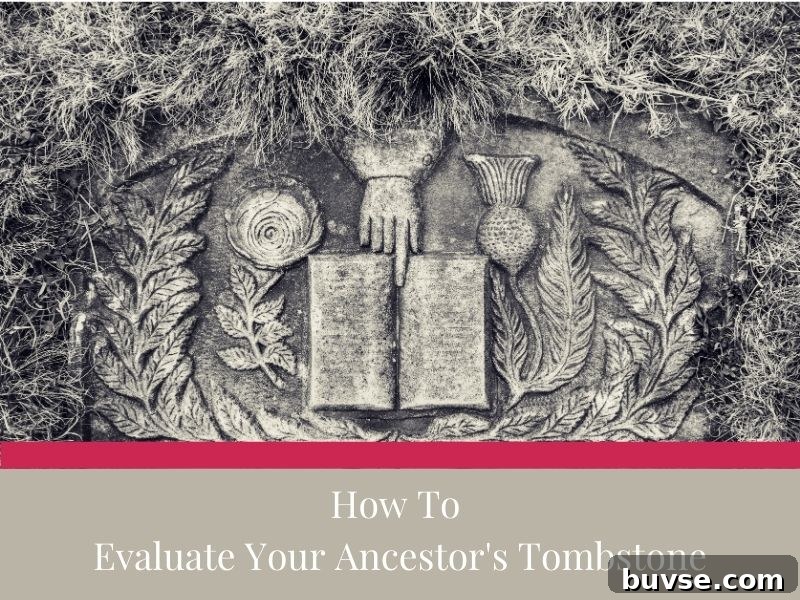
Missing clues in the cemetery to your ancestors? Learn how to analyze a tombstone and uncover additional genealogy records.
I enjoy cemetery research as part of genealogy work. It may seem odd to some, but visiting the burial place of an ancestor often reveals details you won’t find online. Examining a tombstone closely can point you toward records, family links, and new research leads.
This article focuses on the tombstone itself and how to analyze it effectively during cemetery research.
Cemetery Terminology
Are “gravestone,” “tombstone,” and “headstone” different terms? Historically there were subtle distinctions, though today the words are commonly used interchangeably.
Headstone
Traditionally, a headstone refers to the upright marker placed at the head of a grave.
Gravestone
A gravestone often describes a flat stone that covers a grave.
Tombstone
Originally, tombstone could refer to the lid of a stone coffin. Today these distinctions are rarely observed and the terms are used interchangeably.
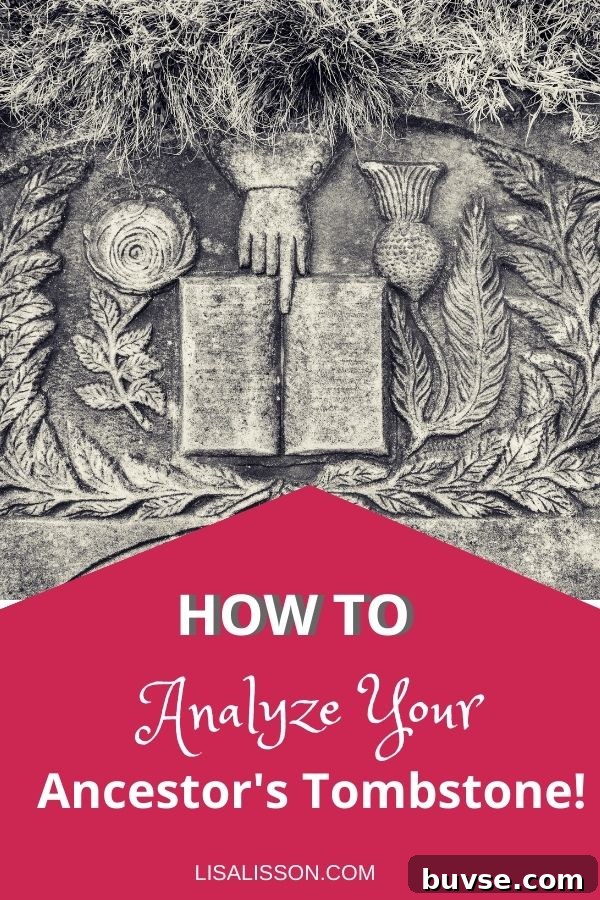
Analyze an Ancestor’s Tombstone
Finding an ancestor’s gravestone is exciting. After a quick celebratory moment, focus on documenting and interpreting what the stone reveals. A careful approach can turn a simple marker into a roadmap for further genealogy research.
1. Translate the Tombstone
Begin by reading and recording every inscription. Note the full name(s), dates of birth and death, any quotes, Bible verses, or personal epitaphs. If the inscription is faint, take multiple photographs from different angles and at different times of day. Basic photo editing can sometimes enhance legibility.
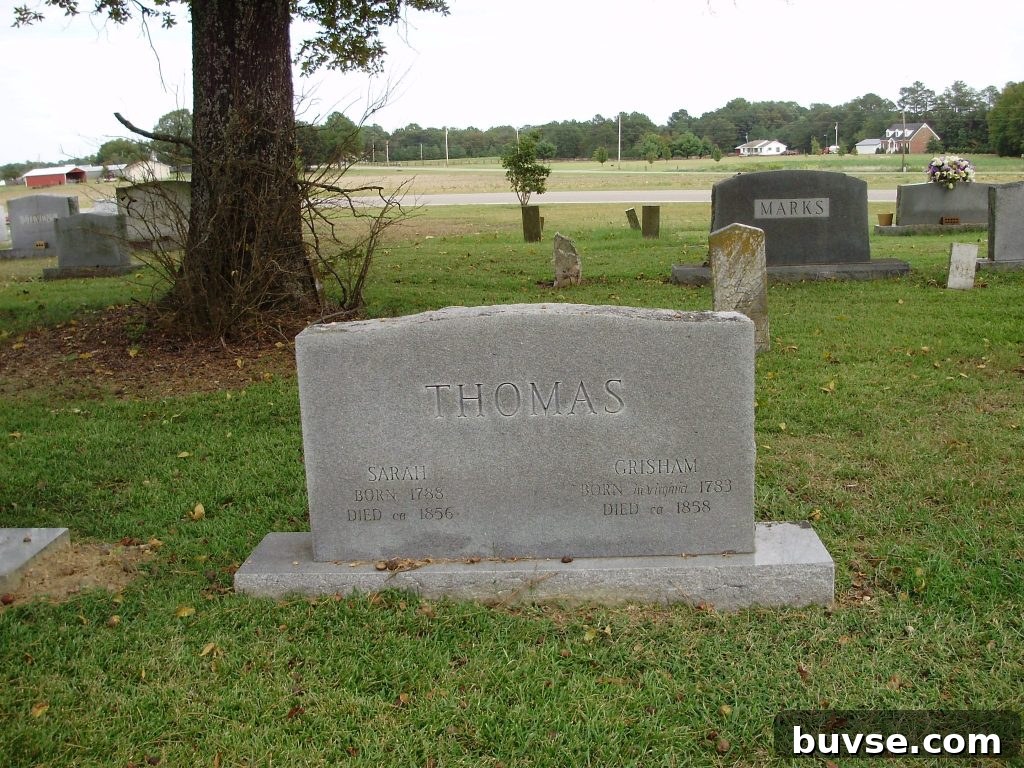
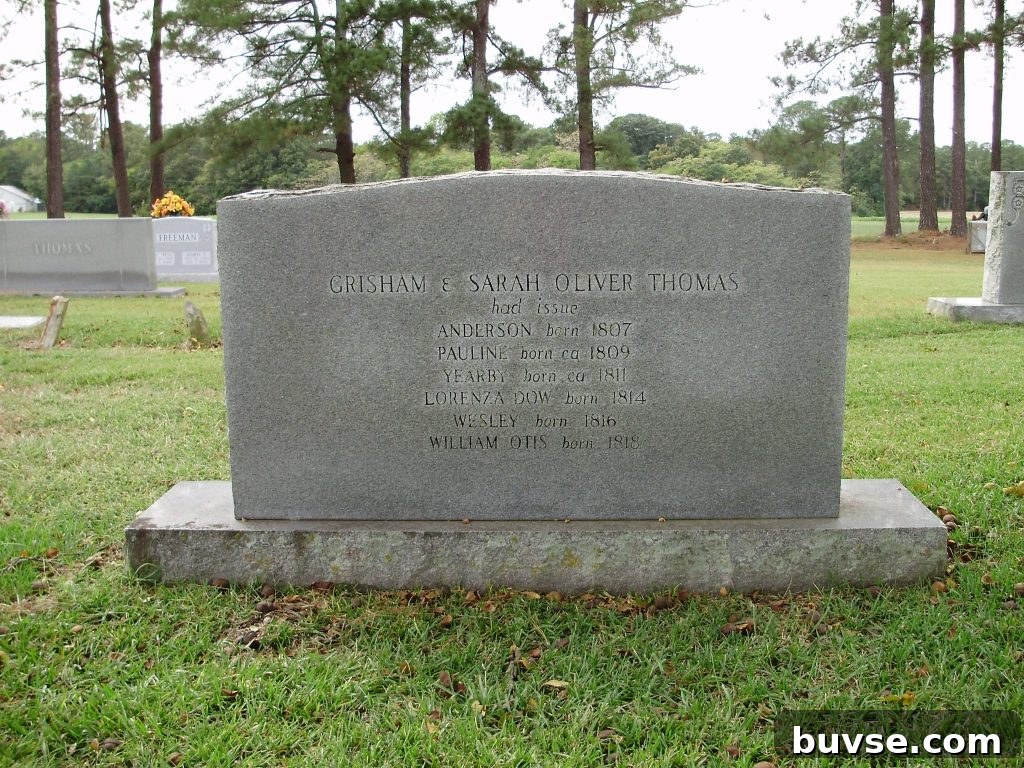
Always inspect all sides of a marker. Inscriptions, family names, or dates are sometimes carved on the back or sides; spouses or children may be listed there. For example, a modern-style marker for Grisham and Sarah Thomas has names and dates on the front, while the back lists their children and birth dates—details that are vital to confirm in records since the stone was placed long after their deaths.
Consider the age of the stone itself. A marker set decades after a death increases the chance of spelling errors or incorrect dates because memory or family lore may have influenced the inscription. Your takeaway: always verify tombstone information in primary records when possible.
2. Decipher Symbols on the Tombstone
Symbols and decorative elements on markers are meaningful. They can reflect religious beliefs, fraternal memberships, occupations, causes, or life events. Recognizing these symbols helps you choose the next records to consult.
Religious symbols like crosses or Stars of David indicate faith background. Use that clue to pursue church records or denominational archives.
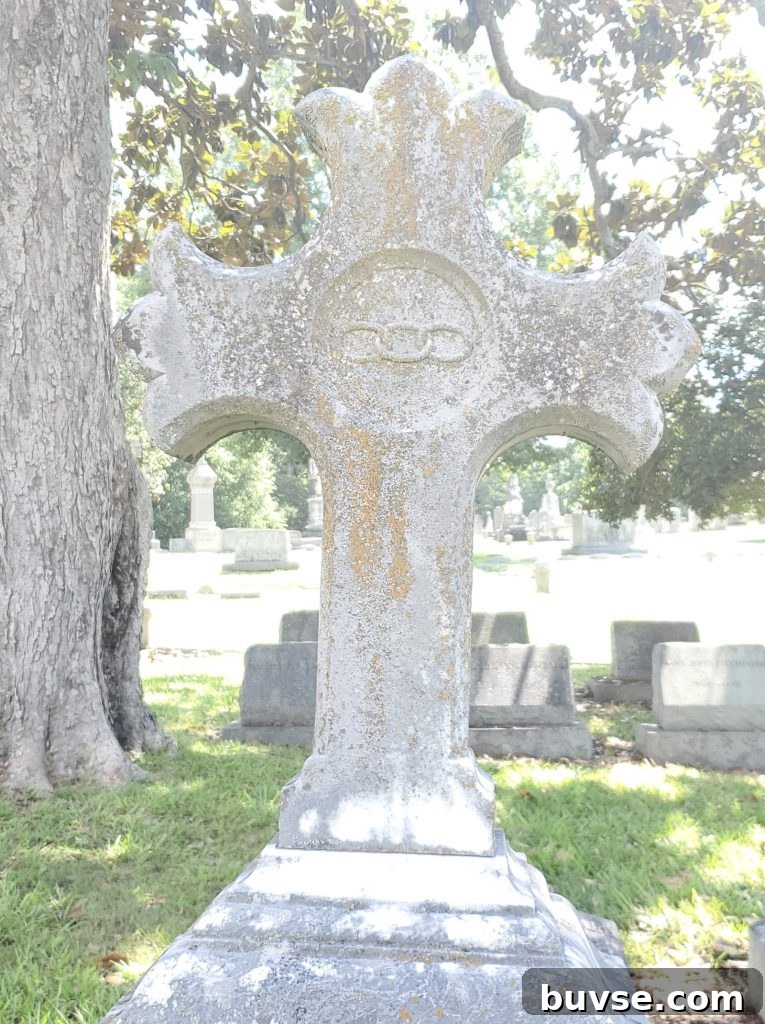
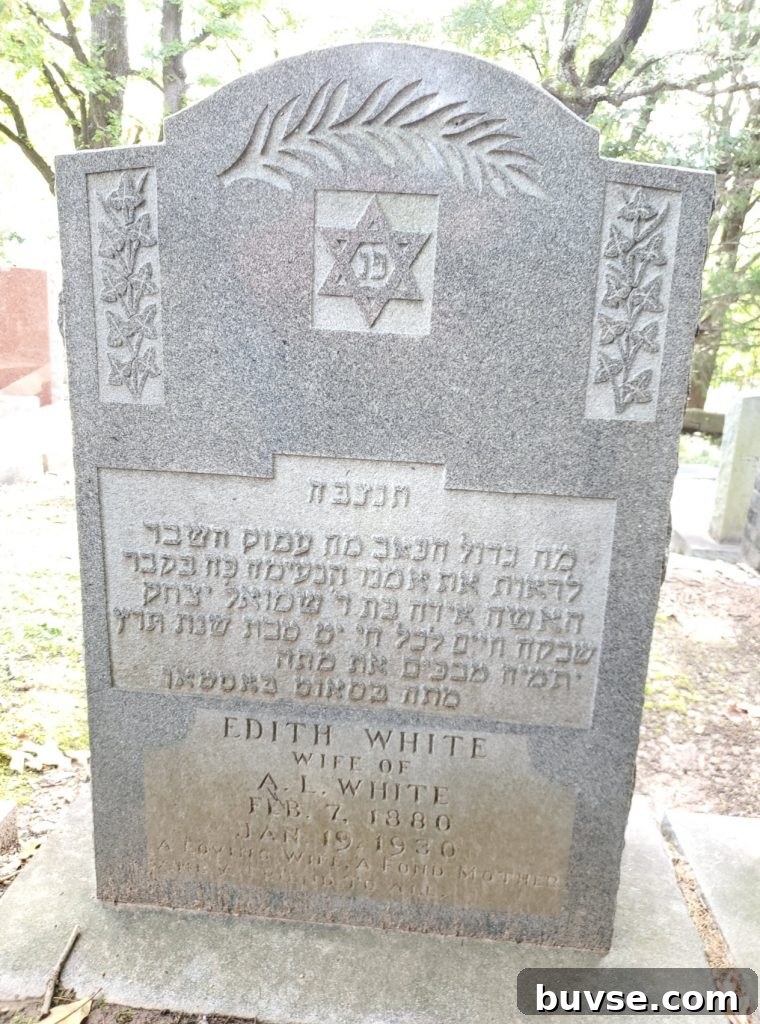
Occupational symbols such as tools, scales, or trade emblems may point to an ancestor’s job. That clue can lead you to business directories, trade records, or newspaper mentions.
Fraternal or organizational emblems can indicate membership in groups such as the Freemasons or community organizations. Membership records, lodge minutes, and organizational histories can then be searched.
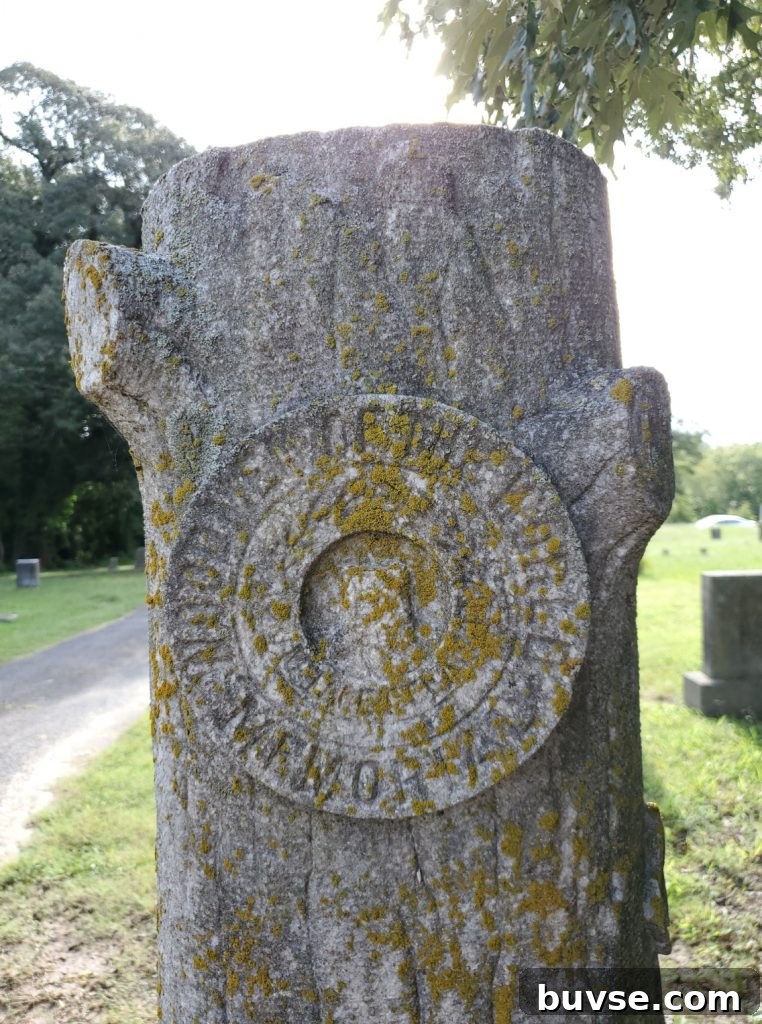
Military symbols or specific shapes of markers signal service and suggest searching military records, pension files, and service rosters. Even when a formal government-issued marker is not present, small emblems can confirm service.
There are many symbols you might encounter; familiar guides like Stories in Stone by Douglas Keister can help interpret designs while you research in the cemetery.
3. Photograph the Tombstone
Photographs are essential for later study and to share with relatives or researchers. When photographing a stone:
- Capture the entire stone for context and location within the plot.
- Take close-ups of every inscription and any symbols or decorative elements.
- Photograph from multiple angles, including the back and sides, and under different lighting to reveal faint inscriptions.
Bonus: Safety in the Cemetery
Cemetery visits can involve uneven terrain, isolated areas, or overgrown plots. Be practical and stay safe.
- Do not go alone when possible; bring someone with you.
- Watch for insects, snakes, and other wildlife; wear appropriate clothing and sturdy shoes.
- Be careful of poison ivy and other harmful plants.
- Carry a charged phone and a basic first aid kit. Consider a personal safety alarm for remote locations.
Resources
- Stories in Stone by Douglas Keister (reference for cemetery symbolism)
- Personal safety alarm (recommended for remote or isolated sites)
- Your Guide to Cemetery Research – tips and photo checklists for cemetery visits